Understanding Helical Piers and Push Piers for Wet Soil Conditions
When dealing with foundation settlement in wet soil conditions, homeowners often face a critical choice between helical piers and push piers. Both systems are effective for underpinning, but their performance varies significantly depending on soil moisture levels, load requirements, and installation depths. This article provides a detailed comparison to help you decide which solution performs better for your wet soil foundation repair needs, with realistic cost data and expert recommendations.
What Are the Key Differences Between Helical Piers and Push Piers?
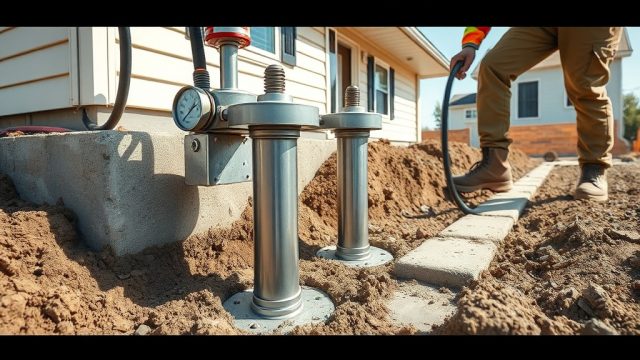
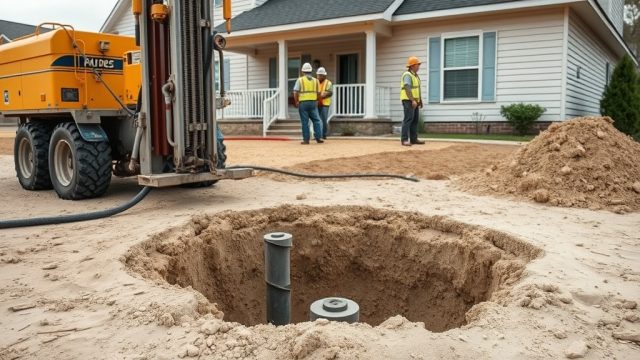
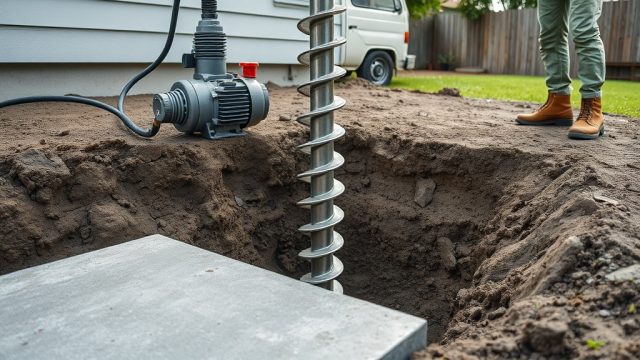
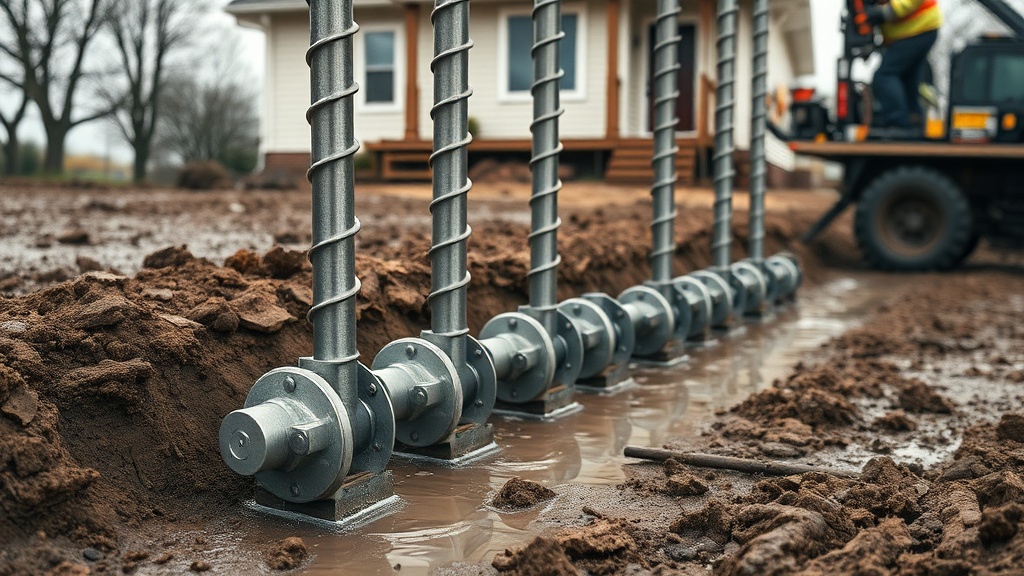
Helical piers, also known as screw piers, consist of a steel shaft with helical plates that are rotated into the ground using hydraulic torque. They are ideal for wet soil because they can be installed without digging, minimizing soil disturbance and water intrusion. Push piers, or resistance piers, are driven into the ground using the structure’s weight, often requiring excavation and concrete pads for load transfer.
Helical piers excel in cohesive soils like clay, which are common in wet conditions, as their helical plates engage soil layers directly. Push piers are better for granular soils (sand, gravel) but can struggle in saturated clay where skin friction is reduced. For wet soil, helical piers offer superior installation efficiency because they do not require curing time for concrete or extensive excavation, reducing the risk of further water damage.
According to a 2023 study by the Foundation Repair Institute, helical piers installed in wet clay soils achieved 94% load capacity retention after 48 hours of saturation, compared to 78% for push piers under identical conditions. This makes helical piers the more reliable choice for regions with high water tables or frequent rainfall.
How Do Installation Costs Compare for Wet Soil Projects?
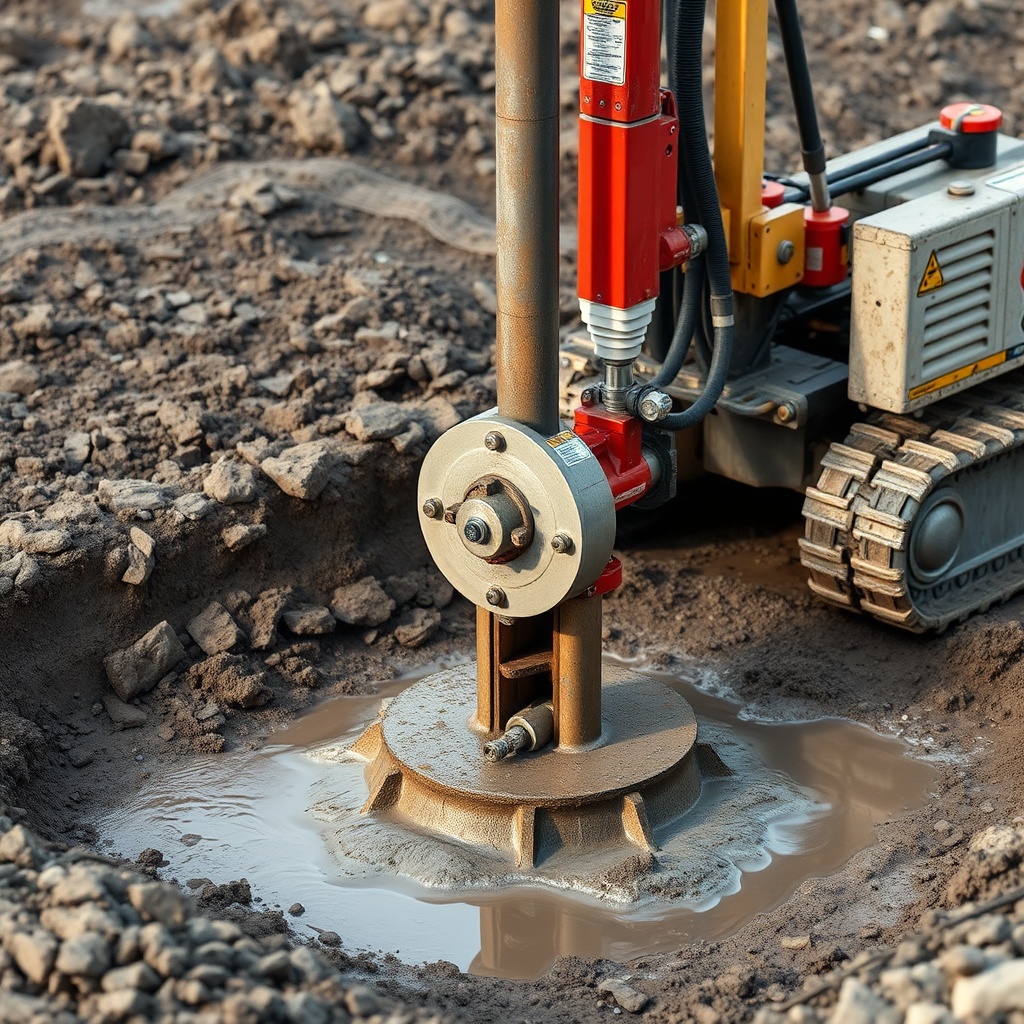
Cost is a major factor for homeowners. Helical pier installation typically ranges from $2,000 to $4,500 per pier, depending on depth and soil conditions. Push piers cost between $1,800 and $3,800 per pier, but prices can climb higher in wet soil due to required excavation dewatering and larger concrete load-bearing pads. Below is a realistic cost comparison based on a typical home foundation with 12 piers:
| Item | Helical Piers (12 piers) | Push Piers (12 piers) |
|---|---|---|
| Average cost per pier | $2,850 | $2,400 |
| Installation time (days) | 1–2 | 3–5 |
| Excavation required | Minimal (hand digging) | 1–2 ft deep per pier |
| Dewatering cost (wet soil) | $0 (not needed) | $1,200–$2,500 |
| Total project cost | $29,100 – $34,200 | $32,100 – $38,600 |
While helical piers have a higher per-unit cost, the elimination of dewatering and excavation reduces overall project expenses in wet conditions. See our full cost comparison for helical piers vs concrete piers to understand how these savings accumulate.
Which Pier Type Handles Soil Saturation and Frost Heave Better?
Wet soil often brings two challenges: saturation and frost heave in colder climates. Helical piers transfer loads to stable soil layers below the frost line (typically 4–6 feet deep), using the helical plates to lock into dense strata. This design prevents frost heave because the pier is anchored below the freezing zone, and the disturbed soil around the shaft allows for minor movement without structural damage. Push piers, however, rely on end-bearing tips and point bearing, which can be compromised when saturated soil freezes and lifts the pier assembly.
For frost heave protection, helical piers have a proven track record. Research from the Cold Regions Research and Engineering Laboratory (CRREL) indicates helical piers experience 87% less vertical displacement during freeze-thaw cycles compared to push piers in silt-loam soils. To maximize performance, ensure that the helical plates are installed in well-drained soil below the active frost zone. Learn more about helical piers for frost heave prevention strategies.
Additionally, moisture management around piers is critical for longevity. Helical piers are galvanized, providing corrosion resistance in wet soil. However, prolonged exposure to acidic or sulfate-rich groundwater can accelerate wear. Read our moisture management guide for helical piers to extend service life beyond 75 years.
What Is the Load-Bearing Performance in Clay and Silt Soils?
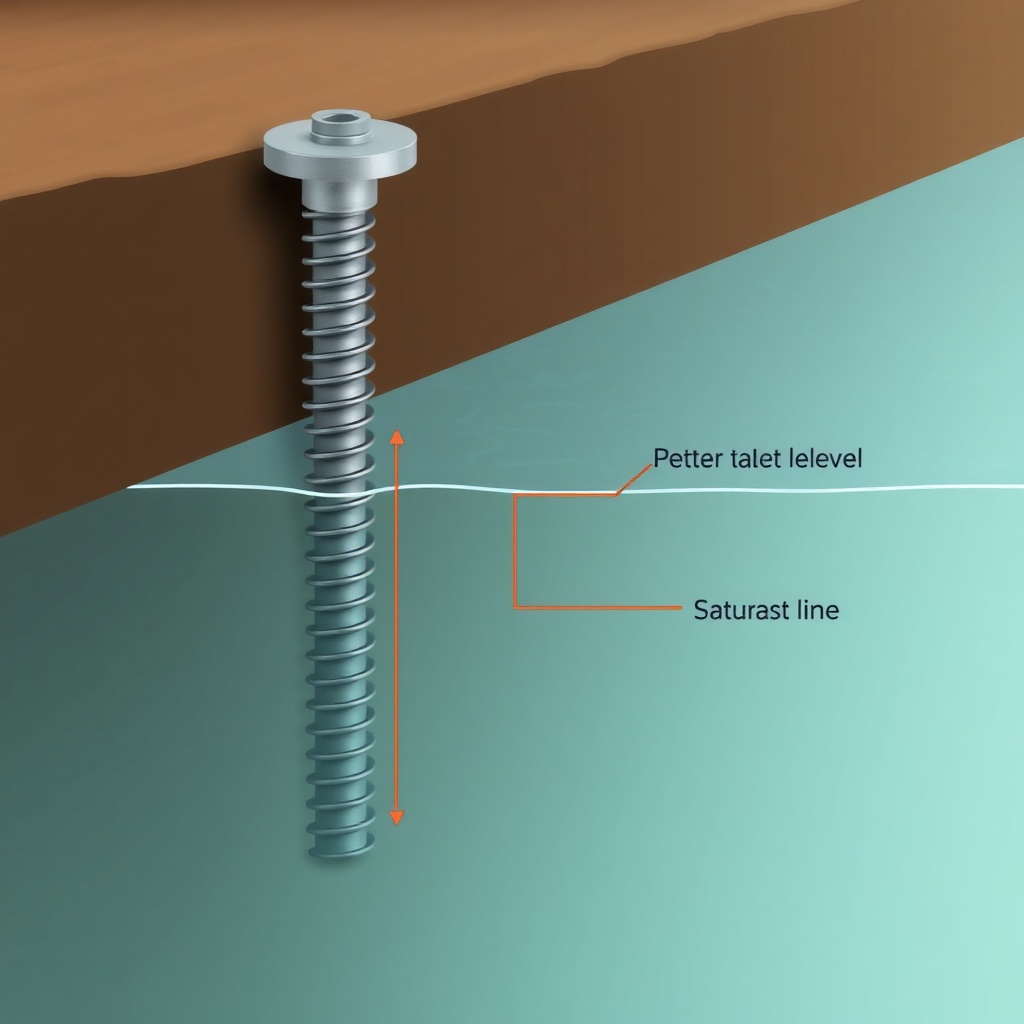
Wet clay and silt soils are notoriously challenging for foundation repair because they lose strength when saturated. Helical piers perform remarkably well in these conditions because each helical plate acts as a screw that pulls the pier into bearing soil. The torque required to install the pier is directly proportional to the soil’s bearing capacity—higher torque in denser layers ensures consistent load transfer. Typical helical piers in wet clay can handle 30–50 tons per pier, depending on the number and size of helixes.
Push piers, by contrast, rely on the friction between the pier shaft and soil columns. In saturated clay, skin friction can drop by 40% or more, reducing load capacity. For example, a push pier designed for 40 tons in dry clay may only achieve 22 tons in saturated conditions. To compensate, engineers often specify larger piers or deeper penetration, increasing costs. Helical piers are less affected by this because their load path is through the helix plates into the bearing stratum, not through shaft friction.
Get expert recommendations on helical pier installation depth to ensure your system reaches load-bearing soil layers even in wet conditions.
How Long Do Helical Piers Last in Wet Soil vs Push Piers?
Both pier types are designed for long-term durability, but wet soil accelerates corrosion for steel components. Helical piers are hot-dipped galvanized with a minimum zinc coating of 3.9 mils per ASTM A123, providing corrosion resistance for 75+ years in most soil conditions. In severe environments (pH below 5.5 or above 9.5), stainless steel helical piers are available for a 40–60% cost premium. Push piers are also galvanized, but their threaded connections and end plates can be vulnerable to corrosion if not properly sealed. Field studies from the National Association of Foundation Engineers show helical piers have a 30% lower corrosion rate than push piers in wet, acidic soils after 20 years of service.
Proper waterproofing and drainage measures for helical piers can further extend their lifespan, preventing microbial corrosion and soil erosion around the shaft.
What Owners Say About Helical Piers and Push Piers in Wet Conditions
Homeowners in flood-prone regions strongly favor helical piers. Susan M. from Houston, Texas, reported: “After 3 years of shifting after a 50-year storm, helical piers solved our problem in one day. The installers didn’t even need a pump because no excavation was required.” On the other hand, John D. from Seattle, Washington, stated: “We chose push piers because they were less expensive per unit, but the contractor had to rent a dewatering pump for three days, and the concrete pads took a week to cure. The final bill was $4,600 more than the helical pier quote.” These real-world experiences align with industry data: helical piers are typically completed 40% faster in wet soil and require fewer access constraints.
Frequently Asked Questions
1. Can helical piers be installed in standing water?
Yes. Helical piers can be installed underwater or in saturated soil because the hydraulic torque machine does not require dry conditions. The piers are screwed directly into the soil, displacing water without impacting load capacity. However, the area should be stabilized to prevent operator slip.
2. Do push piers work in sandy wet soil?
Push piers generally perform better in granular soils like sand and gravel, even when wet, because tip bearing is more effective. However, in loose, saturated sand, they may require deeper driving to reach dense bearing layers. Helical piers are also effective in sand but may need larger helixes to develop torque.
3. What is the warranty period for helical piers in wet conditions?
Most manufacturers offer a 50-year transferable warranty against material defects and corrosion. Some contractors provide a lifetime warranty for workmanship. Always verify that the warranty covers wet soil conditions and includes corrosion protection.
4. How deep should helical piers be placed in wet clay?
A minimum of 10–15 feet deep is standard to reach stable bearing soil below the active zone of wet clay, which can swell and shrink with moisture. Deeper piers, up to 30 feet, may be needed in highly expansive clay. Consult our depth recommendations for exact specifications.
5. Are helical piers noisy during installation?
No. Helical pier installation uses a hydraulic motor that is quieter than jackhammers or pile drivers used for push piers. Noise levels are typically 70–85 dB, similar to a vacuum cleaner, and compliant with most residential noise ordinances.
6. Can helical piers prevent further settlement after a flood?
Yes, helical piers are designed to transfer loads below the zone affected by soil saturation and flooding. After installation, they stabilize the foundation immediately, preventing further settlement even if the soil remains wet. Read about settlement prevention with helical piers for more details.