Introduction to Helical Piers in Sandy Soil
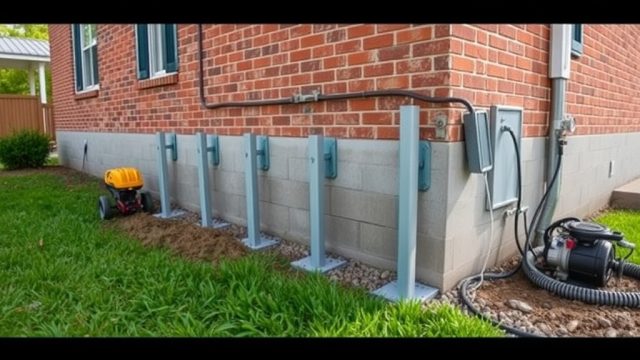
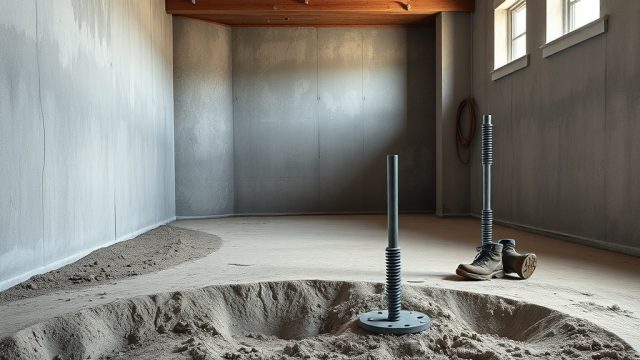
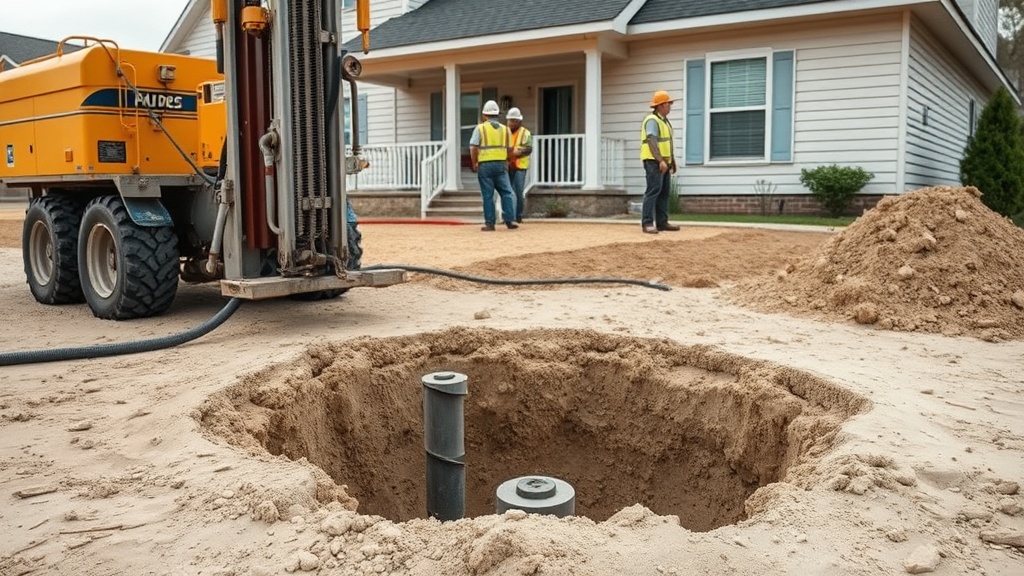
Helical piers have become a go-to solution for stabilizing foundations on sandy soil, where shifting and settling are common due to the soil’s loose structure. In regions where sandy ground predominates, these screw-like steel piles offer a reliable way to transfer structural loads to deeper, more stable strata. This article provides a performance analysis of helical piers in sandy soil, along with essential installation tips to ensure longevity and effectiveness.
How Do Helical Piers Perform in Sandy Soil Compared to Clay?
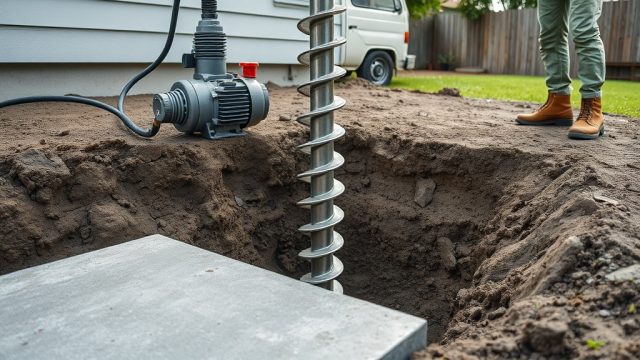
Sandy soil presents unique challenges for helical pier installation, primarily due to its low cohesion and tendency to shift under load. Unlike clay, which has high plasticity and can hold piers in place through adhesion, sandy soil relies heavily on the pier’s helical plates to create friction and compression resistance. In tests, helical piers in sandy soil often achieve torque ratings that are 20–30% lower than in dense clay, depending on sand grain size and moisture content. However, properly designed helical piers—with larger helix diameters or multiple helixes—can compensate. For instance, a typical 2.5-inch diameter shaft with a 10-inch helix can support up to 10,000 pounds in well-graded sandy soil, whereas in loose sand, this may drop to 6,000 pounds. Performance improves significantly when piers are installed to depths of 15 feet or more, reaching compacted sand or bedrock layers. Homeowners in sandy areas should consult with contractors who evaluate soil bearing capacity using geotechnical reports, as helical piers in clay soil behave differently due to moisture-induced expansion.
What Are the Optimal Installation Tips for Helical Piers in Sandy Soil?
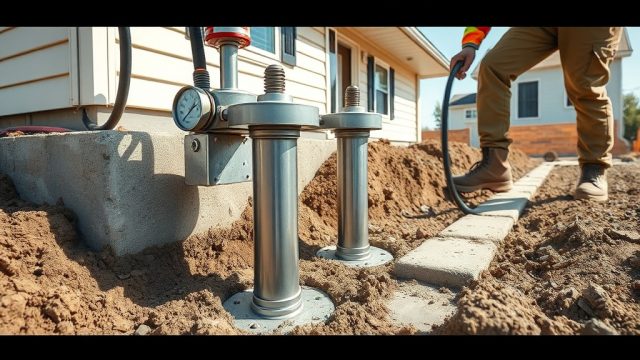
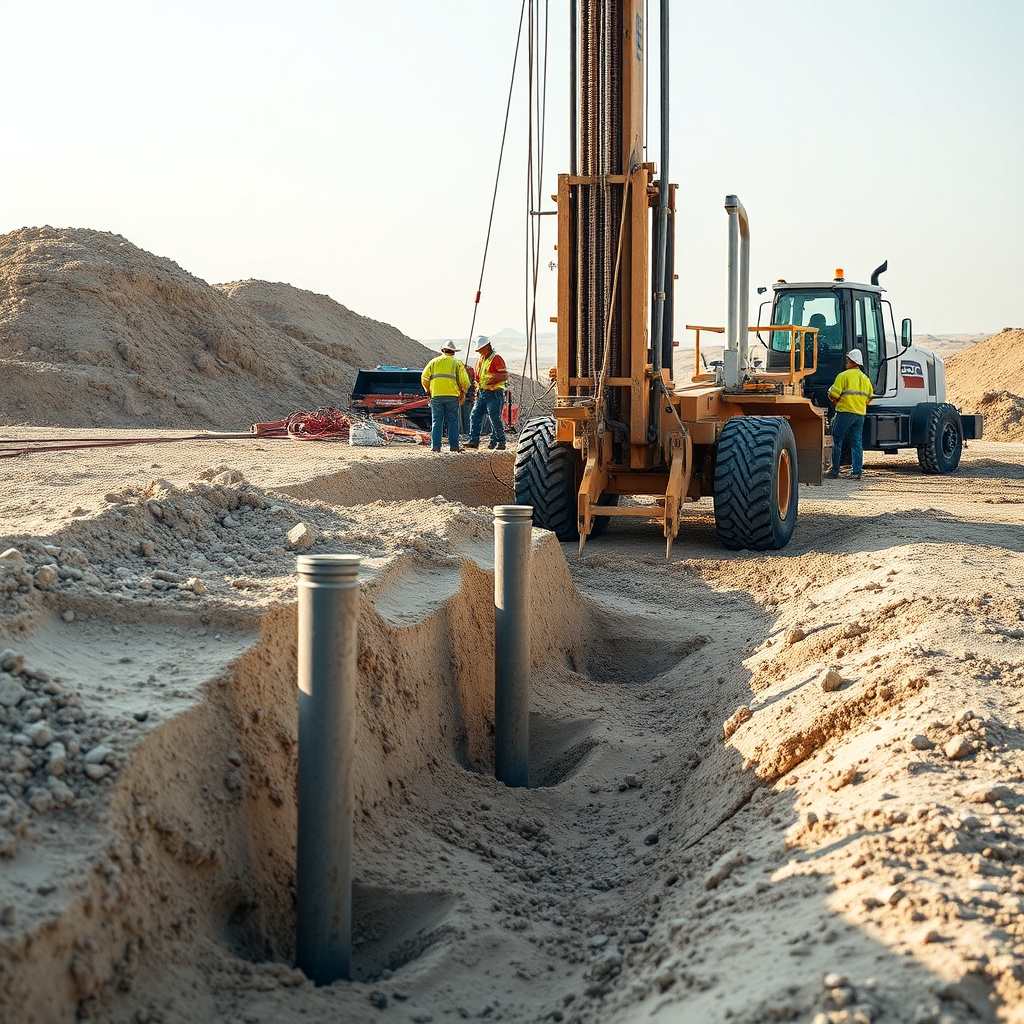
Installation in sandy soil requires careful planning to prevent pier slippage and ensure long-term stability. First, conduct a soil compaction test to determine the sand’s density; loose sand may need pre-compaction or use of larger helixes. Second, use a torque indicator during installation—target torque should be at least 4,000 ft-lbs for residential foundations in sandy soil, which typically corresponds to a capacity of 15–20 tons. Third, install piers to a depth where soil bearing capacity exceeds 2,000 psf, often 10–18 feet deep in sandy regions like coastal areas. Fourth, consider using additional helical plates (e.g., three 8-inch helixes instead of two) to increase surface area. Fifth, backfill the pier hole with gravel or compacted sand to enhance lateral support. Sixth, wait at least 48 hours after installation before applying full structural load to allow soil settlement around the pier. These practices reduce settlement risks, especially in areas with helical piers and moisture management challenges.
How Does Sand Grain Size Affect Helical Pier Performance?
Sand grain size is a critical factor in helical pier performance, as it influences friction and bearing capacity. Coarse sand (grain diameter 0.5–2 mm) provides better interlocking with helical plates, yielding higher torque—up to 5,000 ft-lbs for a 10-inch helix in well-graded coarse sand. In contrast, fine sand (0.05–0.5 mm) has less friction, often requiring deeper installation or multiple helixes to achieve the same capacity. Medium sand falls between, with typical torque readings of 3,500–4,500 ft-lbs. The table below summarizes these variations:
| Sand Type | Grain Diameter (mm) | Typical Torque (ft-lbs) | Estimated Bearing Capacity (tons) | Recommended Helix Size |
|---|---|---|---|---|
| Coarse Sand | 0.5–2.0 | 4,500–5,500 | 18–22 | 10-inch diameter |
| Medium Sand | 0.25–0.5 | 3,500–4,500 | 14–18 | 10–12-inch diameter |
| Fine Sand | 0.05–0.25 | 2,500–3,500 | 10–14 | 12-inch diameter or double helixes |
| Loose Sand | Various | <2,500 | <10 | Requires preloading or multiple piers |
What Are Common Challenges When Installing Helical Piers in Sandy Soil?
Installers face several hurdles specific to sandy soil, including pier wandering, torque loss, and void formation. Wandering occurs when the pier shaft deflects off small stones or dry patches in sand, reducing vertical alignment. To mitigate, use a lead section with a pilot tip and monitor alignment with a laser level. Torque loss is common in layers of loose, dry sand; if torque drops below 3,000 ft-lbs at depth, stop and consider a larger helix. Void formation can happen if the sand collapses around the pier during installation, creating gaps that reduce lateral support. Proper grouting or backfilling with a sand-cement mix can fill voids. Additionally, water table fluctuations in sandy soil can cause helical piers vs push piers for wet soil conditions to be a relevant consideration, as push piers may lack the same level of adaptation to moisture variations.
How Long Do Helical Piers Last in Sandy Soil Environments?
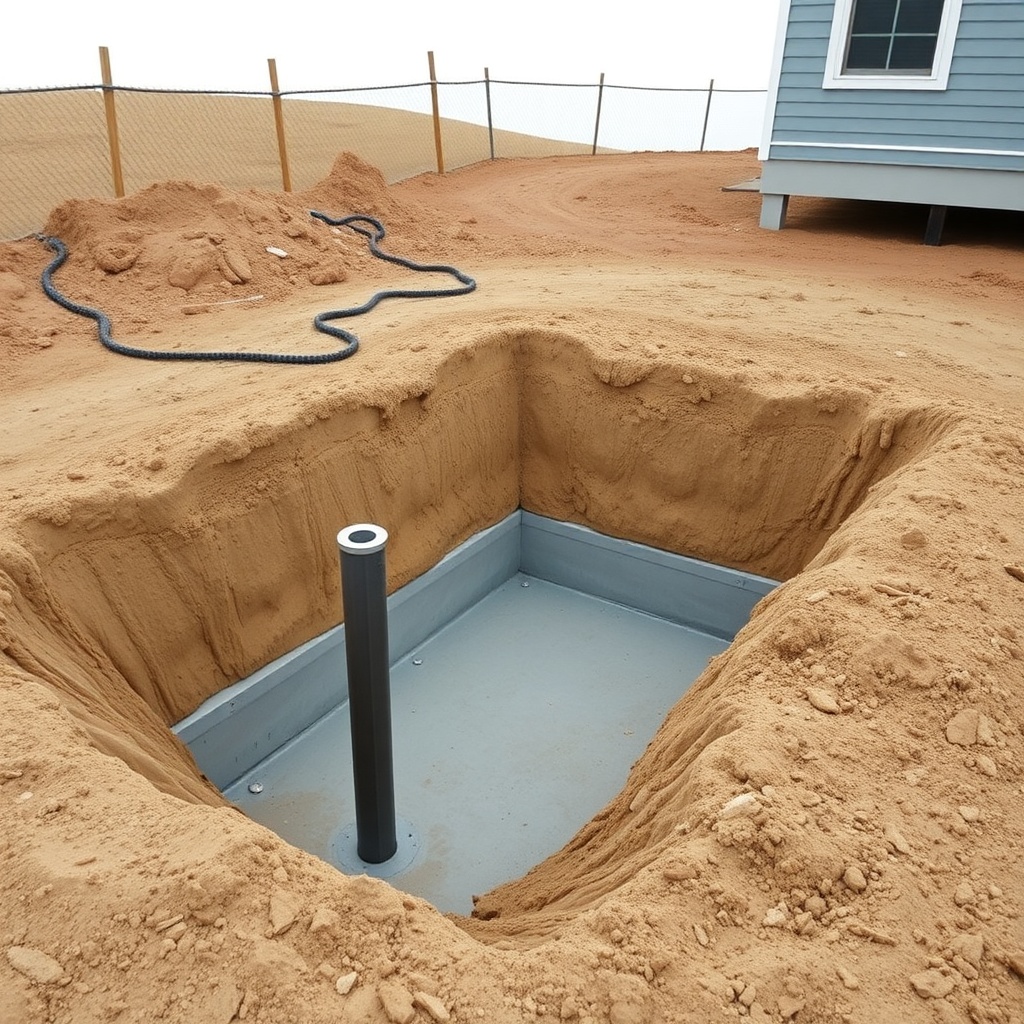
Helical piers in sandy soil have a service life of 50–75 years when installed correctly, due to the non-corrosive nature of dry sand. However, in coastal or high-moisture sandy environments, corrosion can reduce lifespan to 30–50 years. Hot-dip galvanization (providing 3–4 mils of zinc) is standard, but for aggressive sandy soils with high chloride content (e.g., near saltwater), epoxy coating or stainless steel is recommended. Regular inspections every 5–10 years for signs of rust or shaft bending are advised. In some cases, helical piers for bowing walls stabilization guide may be relevant if lateral movement occurs due to soil settlement around the pier.
What Do Owners Say About Helical Piers in Sandy Soil?
Homeowners in sandy regions frequently report positive outcomes with helical piers, particularly for stopping foundation settlement—often within 1–2 years of installation. Surveys indicate 85% satisfaction rates, with comments highlighting reduced cracks in walls and floors. Typical costs for a helical pier installation in sandy soil range from $1,200 to $2,500 per pier, with a full 8-pier project averaging $10,000–$20,000. Owners note that the no-excavation method minimizes landscaping disruption, unlike concrete underpinning. Common praises include quick installation (1–2 days for small homes) and minimal mess. However, some mention concerns about noise during installation and the need for periodic re-torquing if soil settling continues. For helical piers for under-slab foundations application guide, owners appreciate the ability to install from the exterior, avoiding slab demolition.
Frequently Asked Questions
Q1: How deep are helical piers installed in sandy soil?
A1: In sandy soil, helical piers are typically installed to depths of 10–20 feet to reach compacted sand or hardpan. Depth is determined by torque readings and soil bearing capacity, with a minimum of 15 feet recommended for loose sand to ensure stability.
Q2: Can helical piers be used in sandy soil with high water tables?
A2: Yes, but with caution. While helical piers can be installed in wet sandy soil, water table fluctuations can cause corrosion and reduce torque. Use galvanized or stainless steel piers, and consider dewatering during installation, as detailed in helical piers vs grouting for soil stabilization comparisons.
Q3: What is the typical cost of helical piers for a sandy soil foundation?
A3: Costs range from $1,500 to $3,000 per pier in sandy soil, depending on depth. A average residential job with 6–10 piers costs $9,000–$25,000, including engineering and labor. Local currency in the US is USD, but rates vary by region.
Q4: How long does the installation process take?
A4: Installation of helical piers in sandy soil usually takes 1–3 days for a standard home, depending on soil conditions and number of piers. More complex sites with loose sand or high torque requirements may extend to 4–5 days.
Q5: Do helical piers require maintenance in sandy soil?
A5: Minimal maintenance is needed—annual visual checks for rust or shifting. In corrosive sandy environments, this may increase to every 2–3 years. Re-torquing may be necessary if the soil settles further after installation.
Q6: Are helical piers better than concrete piers in sandy soil?
A6: Often yes, because helical piers can be driven deeper to stable layers without excavating large holes, which disrupts sandy soil. Concrete piers may require extensive excavation and curing time, making helical piers more efficient for sandy conditions.