Can Push Piers Fix Vertical Foundation Cracks? Effectiveness Explained
When you spot a vertical crack snaking down your basement wall, panic often sets in. But not all cracks signal a structural emergency. Push piers, a proven deep foundation repair system, can indeed fix certain vertical cracks—but only when the root cause is foundation settlement, not superficial shrinkage. This article unpacks the specific conditions where push piers are effective, how they work, and when you should consider alternatives.
What Exactly Is a Push Pier and How Does It Stabilize a Foundation?
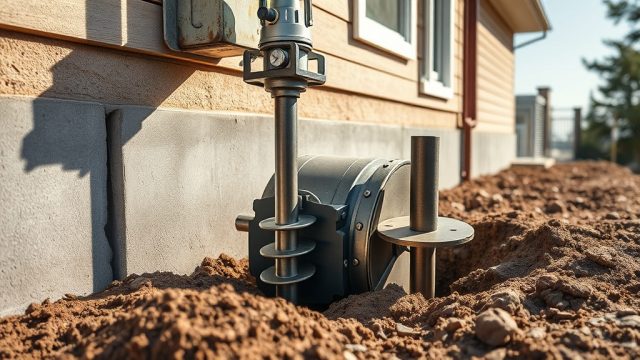
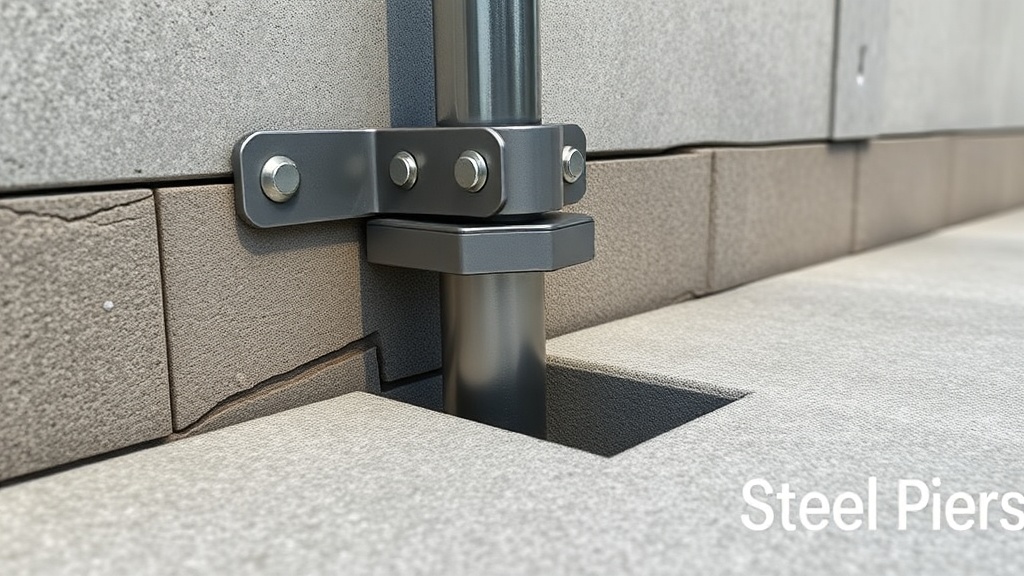
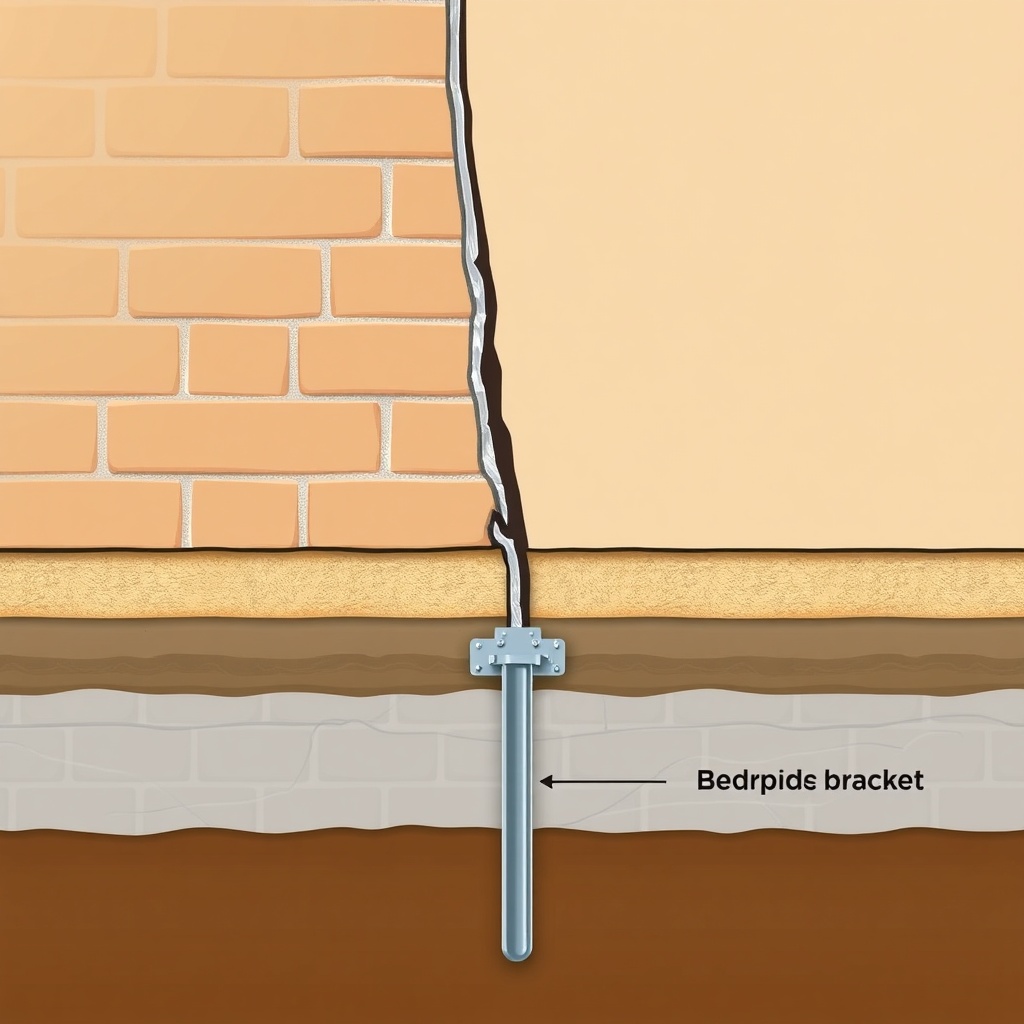
Push piers are steel columns driven into stable soil or bedrock beneath your foundation. The process involves hydraulically pressing segmented pier sections into the ground until they reach load-bearing strata, typically at depths of 10 to 40 feet. Once the piers are set, a bracket attaches to your foundation wall, and the pier is loaded to lift or stabilize the structure. This method transfers the weight of your home from weak, settling soil to deep, competent soil or rock, halting further movement. For vertical cracks caused by differential settlement—where one part of the foundation sinks more than another—push piers can effectively prevent the crack from widening or reopening.
However, push piers do not seal the crack itself. After stabilization, the crack must be repaired with epoxy injection or polyurethane foam to restore waterproofing and cosmetic appearance. The piers stop the cause (settlement), but the crack remains a vulnerability until sealed.
Key Technical Point: Push piers are best suited for cracks wider than ⅛ inch that are accompanied by uneven floors, sticking doors, or sloping landscapes. Hairline cracks (under ⅛ inch) are often cosmetic and may not require piers.
Do Push Piers Work for All Types of Vertical Foundation Cracks?
No. Push piers are effective only for structural vertical cracks caused by foundation settlement. These cracks typically taper or align with the direction of sinking—wider at the top if the wall is tilting outward, or wider at the bottom if the footing is settling. Here’s a breakdown of crack types and push pier suitability:
| Crack Type | Push Pier Effective? | Why |
|---|---|---|
| Vertical settlement crack (wider at bottom, wall leaning inward) | Yes | Piers lift and stabilize the sinking side, closing the crack gap over time. |
| Vertical shrinkage crack (hairline, uniform width, no wall movement) | No | Not structural; caused by concrete curing. Seal with epoxy—no piers needed. |
| Vertical crack with horizontal component (stair-step or diagonal) | Partial | May indicate shear failure. Piers help but often require wall anchors or carbon fiber straps for lateral support. |
| Vertical crack > ½ inch wide with bowing wall | Not alone | Push piers address settlement only. You’ll likely need a wall repair system (carbon fiber or steel beams) alongside piers. |
To determine your crack’s cause, look for these clues: tape a piece of glass over the crack and check weekly—if it shatters, the wall is moving. Use a crack monitor or simply mark the crack endpoints and measure width monthly. If the crack widens, settlement is likely active.
How Do Push Piers Compare to Other Vertical Crack Repair Methods?
Homeowners often confuse crack repair with foundation stabilization. Let’s clarify: push piers are a stabilization solution, not a crack filler. Here’s how they stack up against common alternatives:
- Epoxy injection ($15–$50 per crack, including labor): Fills the crack with structural resin but does nothing to stop settlement. Use only for hairline, non-moving cracks.
- Polyurethane foam injection ($20–$60 per crack): Flexible sealant that allows for minor movement but won’t lift a settled foundation.
- Carbon fiber straps ($200–$600 per strip, installed): Reinforce a wall against lateral pressure but don’t address downward settlement.
- New foundation underpinning (helical piles) ($8,000–$20,000 per home): Similar to push piers but with helical blades for tension loads. Better for light structures than heavy homes.
- Push piers ($12,000–$30,000 average for a home): Permanent, deep stabilization that can lift and level a foundation. The gold standard for vertical cracks caused by settlement.
The decision hinges on crack width, wall movement, and whether you have other settlement signs like cracked drywall or sloping floors. If you measure crack width at ⅛ inch or more and see wall bowing, push piers are usually the right call. For stationary hairline cracks, save your money—seal with epoxy and monitor.
What Is the Step-by-Step Installation Process for Push Piers on Vertical Cracks?
Understanding the process helps you evaluate contractor proposals. Here’s what a typical push pier installation looks like for a vertical crack caused by settlement:
- Site assessment: A structural engineer or experienced contractor measures crack width, checks for wall tilt, and performs soil borings or push tests to determine soil capacity.
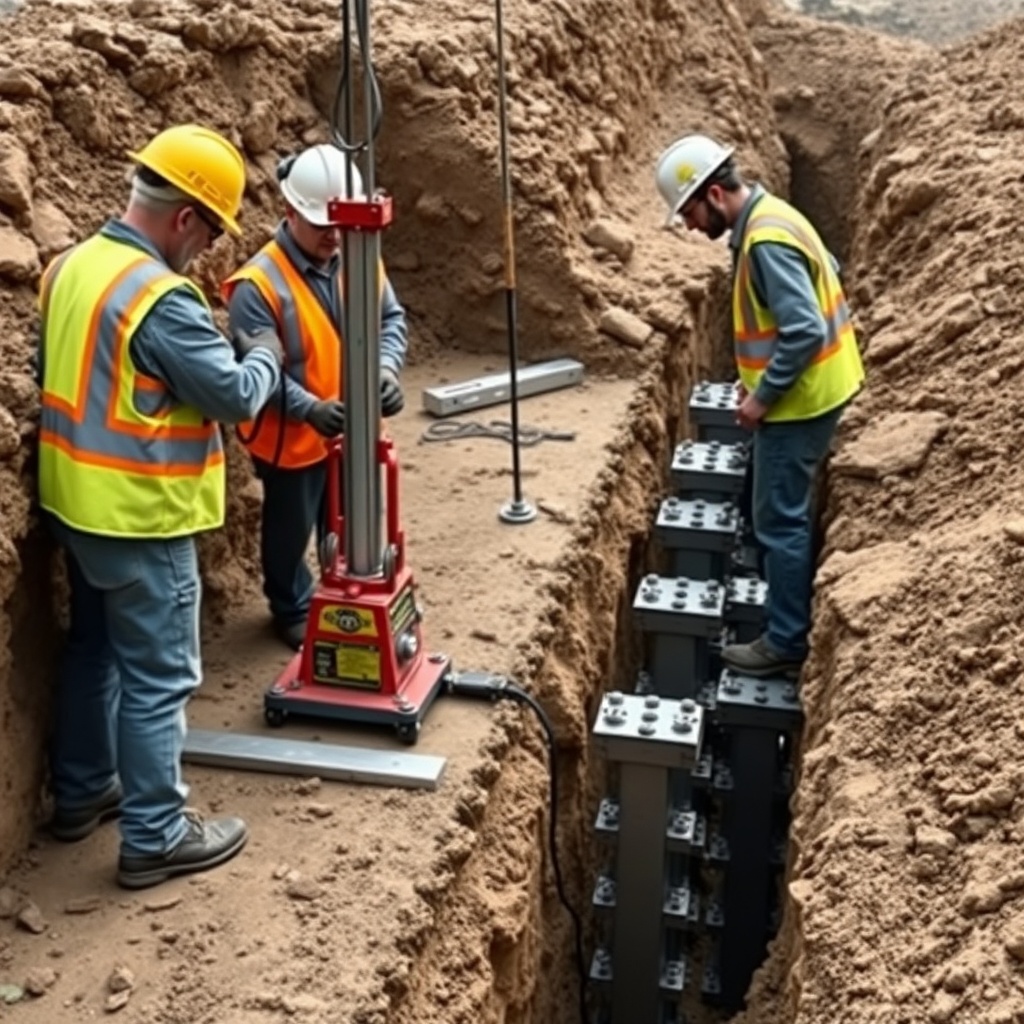
- Excavation: Trenches are dug alongside the foundation footing where piers will be placed—typically at 4- to 6-foot intervals along the settling side.
- Pier placement: Galvanized steel pier sections (each 2–4 feet long) are hydraulically pushed into the ground. This continues until the pier meets refusal (typically 18–40 feet deep) or reaches a load-bearing stratum.
- Bracket attachment: A heavy-duty steel bracket is bolted to the foundation wall and connected to the pier head. The bracket transfers the building’s weight to the pier.
- Lifting (optional): If the foundation has settled unevenly, hydraulic jacks lift the footing back to level—often within ⅛ inch of original position.
- Crack repair: After stabilization, the vertical crack is injected with epoxy or polyurethane to seal it against moisture and regain some structural continuity.
- Backfill and restoration: Trenches are filled, and the area is graded to direct water away from the foundation.
The entire process usually takes 2–4 days. Push piers are permanent—they won’t rust underground thanks to galvanized coating, and they don’t require ongoing maintenance beyond an annual inspection.
For a deeper dive into each step, see our detailed guide on Push Piers Installation: A Technical Overview for Homeowners.
When Do Vertical Cracks Need Immediate Attention vs. Routine Monitoring?
Not all vertical cracks are emergencies. Use this severity guide to decide next steps:
| Crack Width | Wall Tilt? | Recommended Action |
|---|---|---|
| Under ⅛ inch | No | Monitor quarterly. Seal with acrylic caulk if cosmetic concern. Rarely needs piers. |
| ⅛ to ¼ inch | No | Monitor monthly. If stable, seal with epoxy. If widening, get an inspection. |
| ⅛ to ¼ inch | Yes (>5° tilt) | Schedule a structural evaluation. Likely needs push piers or wall reinforcement. |
| ¼ to ½ inch | Yes or No | Call a foundation contractor soon. Active settlement suspected. Push piers typically recommended. |
| Over ½ inch | Often yes | Emergency evaluation needed. Immediate risk of wall collapse. Push piers plus wall repair almost always required. |
Other red flags: water seeping through the crack (indicates wall displacement), doors or windows jamming (points to structural shifting), or a gap at the ceiling-wall joint. Any combination of these with a vertical crack means don’t wait.
What Owners Say: Real Experiences with Push Piers for Vertical Cracks
We’ve gathered feedback from homeowners who used push piers for vertical foundation cracks. Here are two common scenarios:
Observation 1: “We had a ¼-inch vertical crack in our basement wall that had been there for years. After a wet spring, water started seeping through, and the crack widened to ½ inch. Two years after push piers, the crack hasn’t moved, and the leak stopped after epoxy injection. But the lift was dramatic—our first floor is level again.”
This aligns with push piers’ strength: they stop active settlement and can even level floors. The owner learned that cracks alone don’t always warrant piers—only when movement or leaks appear.
Observation 2: “Our contractor recommended push piers for a hairline vertical crack. We spent $16,000, but after 6 months, the crack was still the same width. We later realized the crack was just cosmetic shrinkage. We should have just sealed it.”
A cautionary tale: push piers are overkill for non-structural cracks. Always get a second opinion from a structural engineer before committing to piers for cracks under ⅛ inch with no other settlement signs.
Both owners emphasize that push piers are a major investment (typically $12,000–$30,000) but provide permanent peace of mind when needed. Water management is also critical—you can learn how in our guide Push Piers and Water Drainage: How to Prevent Hydrostatic Pressure.
Frequently Asked Questions
Can push piers close a vertical crack completely?
Push piers can reduce crack width by lifting the foundation, but they rarely close a crack entirely. After stabilization, the crack must be sealed with epoxy or polyurethane to prevent water ingress. The pier’s job is to stop the crack from widening, not to erase it visually.
How long do push piers last for vertical cracks?
Properly installed push piers have a lifespan of 50+ years, often outlasting the home. The galvanized steel resists corrosion, and the pier transfers load to deep soil that doesn’t shift. Annual inspections are recommended—see our Push Piers Maintenance Checklist: Annual Inspection Tips for details.
Are push piers expensive for vertical crack repair?
Yes, push piers cost $12,000 to $30,000 for an average home, depending on crack severity, number of piers, and soil conditions. This is $2,500–$5,000 per pier on average. Compare to $500–$2,000 for epoxy injection alone—but epoxy won’t fix settlement. For active settlement, piers are worth the investment.
Will push piers fix a vertical crack in a block wall?
Push piers can stabilize a block basement wall that is settling, but they don’t repair the blocks themselves. If the block wall is cracked vertically, piers stop further settlement, but you’ll still need to reinforce the wall with carbon fiber straps or concrete filling to restore structural integrity. For poured concrete walls, piers alone are often sufficient.
What happens if I ignore a vertical crack with settlement?
Unchecked settlement can worsen over months or years. Cracks may widen, allowing water and radon to enter. Floors can slope, doors stick, and in extreme cases, walls can collapse. Push piers are a preventive measure—acting early saves thousands in future repairs and prevents safety hazards.