What Are Helical Piers and How Do They Compare to Concrete Piers?
When a home foundation settles, homeowners often face a critical decision between helical piers and concrete piers. While concrete piers have been a traditional solution for decades, helical piers offer a modern alternative with distinct advantages in installation speed and performance across various soil conditions. This comparison will help homeowners understand the cost implications and structural benefits of each system before making an informed investment.
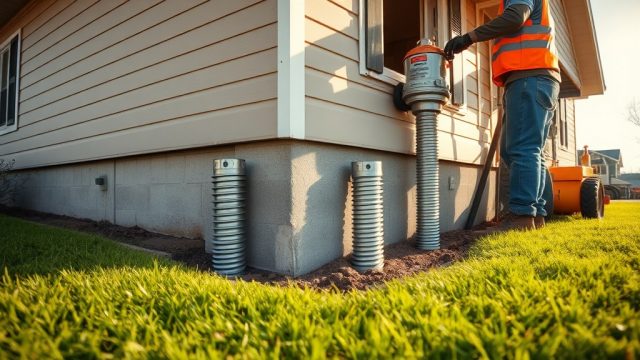
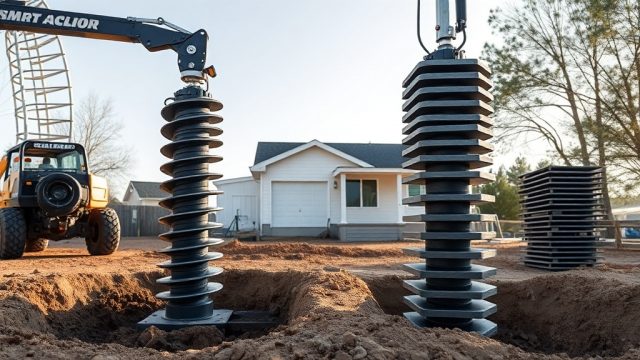
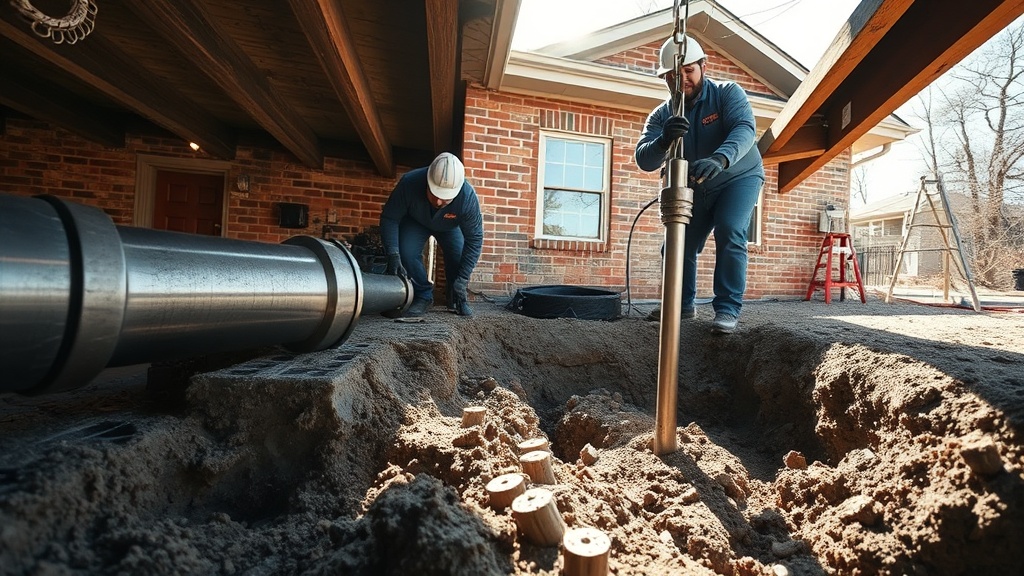
Helical piers are steel shafts with helix-shaped plates that are screwed into the ground to reach stable soil layers, much like a giant screw anchoring into the earth. Concrete piers, by contrast, are poured-in-place columns that rely on excavating to a load-bearing stratum. The fundamental difference lies in installation methodology: helical piers require no curing time and can often be installed in a single day, while concrete piers demand excavation, formwork, and at least 7–14 days of concrete curing before they can support full loads.
For homeowners considering this investment, the choice typically hinges on soil conditions, budget constraints, and the urgency of the repair. As we break down costs and performance, keep in mind that structural repairs are not a place to cut corners—the right solution depends on professional evaluation of your specific foundation issues.
How Much Do Helical Piers Cost Compared to Concrete Piers?
The primary driver for most homeowners is the total project cost. Helical piers generally range from $1,000 to $3,000 per pier installed, depending on soil depth and accessibility. A typical home needing 6–12 piers can see total costs between $6,000 and $36,000. Concrete piers, meanwhile, cost $800 to $2,500 per pier, with total projects ranging from $4,800 to $30,000 for a similar number of supports.
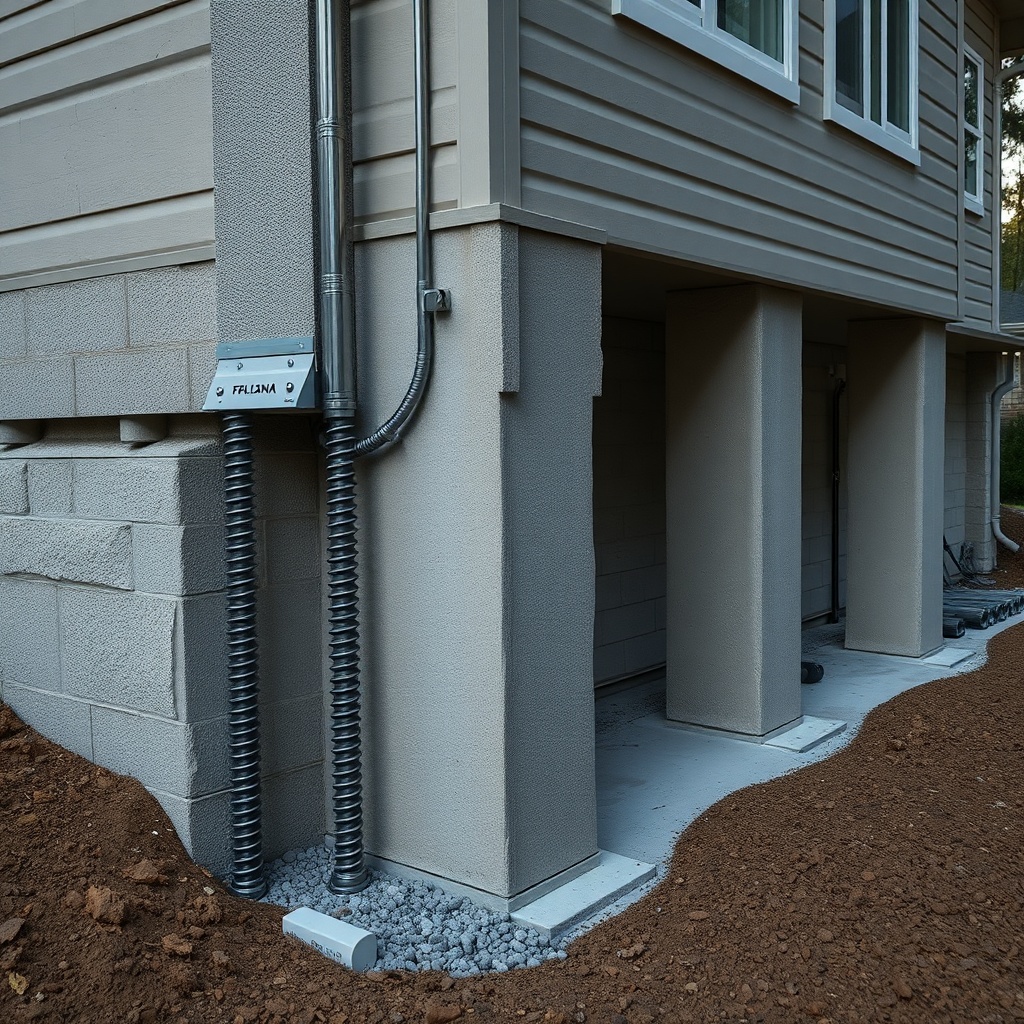
However, these sticker prices don’t tell the whole story. Consider that concrete piers require excavation, soil removal, formwork, rebar, and concrete mixing—all labor-intensive processes. Helical piers arrive pre-fabricated and are installed using a hydraulic torque motor attached to a mini-excavator, which reduces labor hours significantly. The table below breaks down the true costs homeowners should evaluate.
| Cost Factor | Helical Piers | Concrete Piers |
|---|---|---|
| Installation labor | $200–$400 per pier (usually 2–3 hours each) | $400–$800 per pier (1–2 days each) |
| Material cost | $500–$1,200 per pier (steel, galvanized) | $250–$600 per pier (concrete, rebar, formwork) |
| Equipment rental | $300–$600 total (torque motor and excavator) | $200–$500 total (mixer, forms, vibrator) |
| Soil testing & engineering | $500–$1,500 (often included in quote) | $800–$2,000 (required for deep excavation) |
| Post-installation wait time | None—load capacity immediately | 7–14 days curing before loading |
| Average total for 8 piers | $8,000–$18,000 | $6,400–$14,000 (plus 2-week delay) |
While concrete piers appear cheaper upfront, the hidden costs of extended labor, potential weather delays, and lost time can shift the balance. Many homeowners find helical piers more cost-effective when factoring in the speed of repair and reduced disruption to landscaping.
Which System Performs Better in Different Soil Conditions?
Soil stability is the most critical factor in foundation repair success. Helical piers excel in loose, sandy, or expansive clay soils because their helical plates distribute load along the shaft length and can penetrate to deep stable layers without excavation. Concrete piers, conversely, struggle in soils with high moisture content or low bearing capacity, as excavation can collapse and concrete may not cure properly in wet conditions.
In regions with seasonal frost, helical piers can be installed below the frost line (typically 3–5 feet deep) without worrying about frost heave pushing the pier upward—the helical design resists uplift forces. Concrete piers rely on the weight of the concrete mass to resist heave, which often requires deeper, wider footings that add cost. For loads exceeding 50,000 pounds per pier, helical piers can be designed with larger shaft diameters and multiple helices, matching concrete pier capacities at a fraction of the installation time.
Homeowners with poor soil should also consider the long-term performance of comparing helical piers to other deep foundation options, as the best choice depends on site-specific geotechnical conditions.
How Long Does Each System Last and What Maintenance Is Required?
Durability is a key concern for any foundation repair. Galvanized helical piers, when installed correctly, have a lifespan of 75–100 years—comparable to the building itself. The steel is protected by a zinc coating that resists corrosion, and because the piers are driven below the water table in many applications, oxygen exposure is limited, slowing corrosion even further. Concrete piers also have a long lifespan of 50–75 years, but are susceptible to deterioration from freeze-thaw cycles, sulfate attack in acidic soils, and cracking from soil movement.
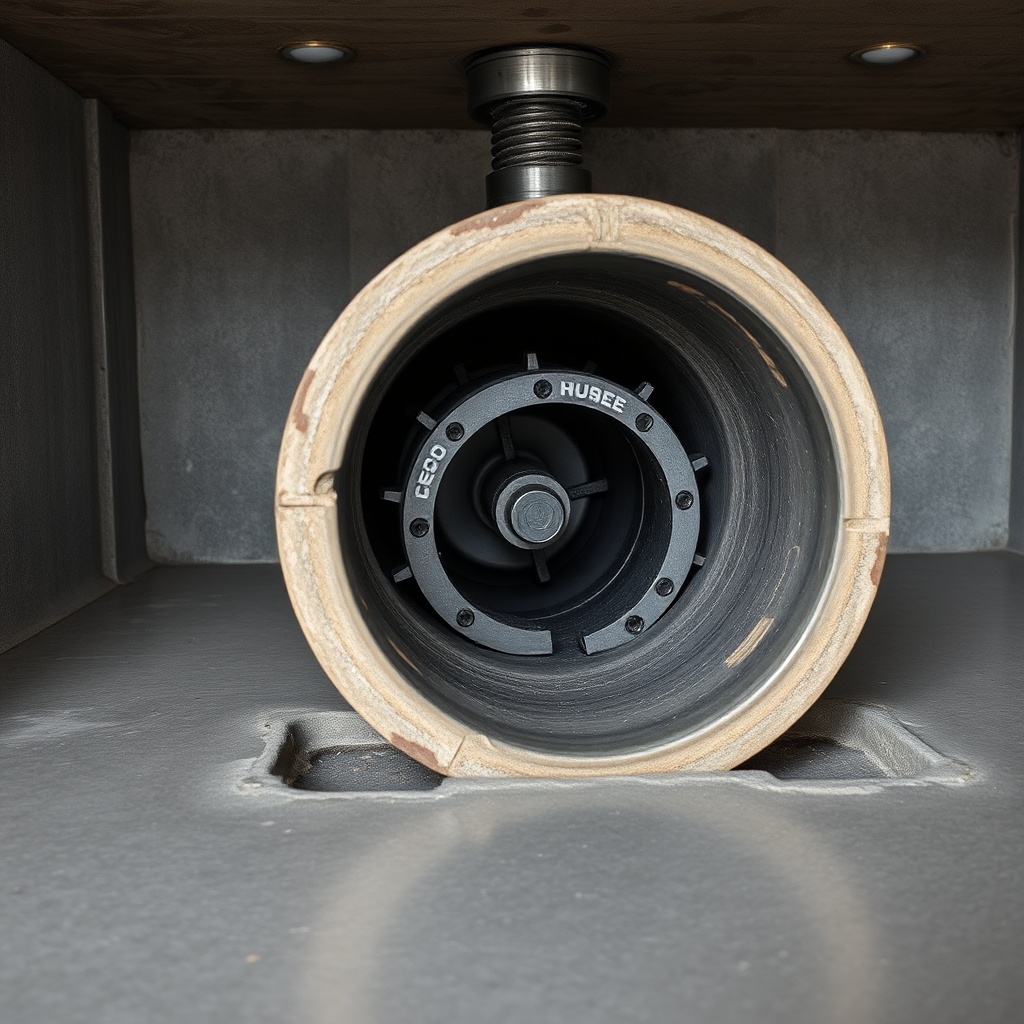
Maintenance for helical piers is minimal—periodic inspections every 5–10 years are recommended to check for settlement or corrosion, especially if the soil is highly acidic. Concrete piers may require sealing of cracks, drainage improvements, or even replacement if they heave or settle unevenly. For homeowners in wet climates, following proper waterproofing practices around helical piers can extend their service life even further.
What Do Homeowners Say About Helical Piers vs Concrete Piers?
Feedback from property owners who have experienced both systems reveals a clear preference for helical piers among those who prioritized speed and minimal disruption. “We had helical piers installed in one day, and we could walk on our porch the next morning,” says Sarah Miller, a homeowner in Charlotte, North Carolina. “Our neighbor did concrete piers for a similar issue, and they had mud everywhere for two weeks.”
Another common sentiment is the convenience of installation without heavy excavation. “I was worried about my landscaping, but the helical pier crew only had to move a few pavers,” recounts James T., a homeowner in Denver, Colorado. “Concrete piers would have required us to tear up half the patio.” However, some homeowners note that concrete piers can be more budget-friendly for shallow repairs. “We went with concrete because our soil was stable and we only needed four piers,” shares Lisa McCann of Austin, Texas. “It cost about $1,200 less, but we waited 10 days to put weight on it.”
Overall, the majority of homeowners express satisfaction with helical piers when they value time, cleanliness, and adaptability to difficult soils. For those on a tight budget with easily accessible, stable ground, concrete piers remain a viable option—though the wait time frustrates many.
How Deep Should Helical Piers Be Installed and Does It Affect Costs?
Installation depth is directly tied to both performance and cost. Helical piers must be screwed into stable load-bearing soil, typically at depths of 10 to 30 feet, depending on local geology. Engineers determine depth based on torque readings during installation—a standard practice that ensures each pier reaches sufficient capacity. Concrete piers, by contrast, are often limited to depths of 5 to 15 feet due to excavation difficulty, which can be problematic when stable soil is deeper.
The cost impact of depth is significant for both systems. For helical piers, deeper installations require longer shafts (costing an extra $10–$20 per linear foot), but the installation process remains quick. Concrete piers at deeper depths require wider excavations, bracing for deep holes, and more concrete—adding $50–$100 per linear foot. For a 20-foot deep pier, helical pier costs increase by $200–$400, while concrete pier costs may jump $1,000–$2,000.
Homeowners should always request a geotechnical report to determine the required depth. Understanding expert recommendations on pier depth can help avoid costly over-engineering or underperformance.
Frequently Asked Questions
1. Are helical piers more expensive than concrete piers in all cases?
Not necessarily. While helical piers have higher per-unit material costs, their faster installation and lack of excavation often result in lower total project cost when factoring in labor, equipment, and cleanup. For shallow repairs in stable, dry soil, concrete piers can be cheaper overall.
2. How long does it take to install helical piers?
A typical residential installation of 6–10 helical piers takes 1–2 days, with each pier requiring about 20–30 minutes of actual screwing time. Concrete piers require at least 2–3 days for excavation and pouring, plus 7–14 days for curing before loading.
3. Can helical piers be used in high water table conditions?
Yes, helical piers are excellent for high water table conditions because they do not require dewatering or excavation containment. The steel shafts can be installed through water without issues, whereas concrete piers often require pumps and waterproof formwork.
4. Do helical piers require any special inspections?
Most jurisdictions require engineering inspections for helical pier installations, similar to concrete piers. Torque readings are recorded during installation to verify capacity, and a structural engineer typically signs off on the final load test results.
5. What is the warranty on helical piers compared to concrete piers?
Reputable helical pier manufacturers offer transferable warranties of 25–50 years on materials, with labor warranties of 5–10 years. Concrete piers typically have warranty periods of 10–20 years on materials, but labor coverage is often shorter—around 5 years.
6. Can helical piers be retrofitted to an existing foundation?
Yes, helical piers are commonly retrofitted to existing structures. They can be installed through basement walls or under slab foundations with minimal interior disruption. Concrete piers usually require excavation from the exterior, which can damage landscaping and driveways.