What Makes Helical Piers a Smart Choice for Shrink‑Swell Soil?
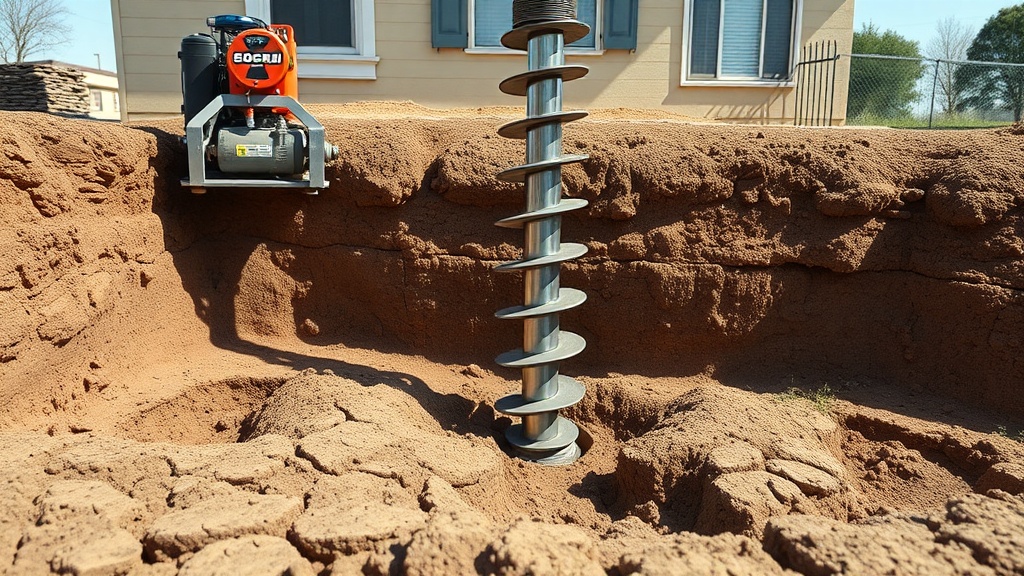
Helical piers have become a trusted solution for homeowners dealing with shrink‑swell clay soils. These deep foundation elements use a steel shaft with helical bearing plates that screw into the ground until they reach stable bearing strata, bypassing the problematic upper layers that expand and contract with moisture changes. The result is a foundation repair that can halt settlement and lifting caused by seasonal soil movement.
For houses built on expansive clays, standard shallow footings often fail to provide adequate support. The installation of helical piers makes it possible to transfer the building’s load to deeper, stable soil or bedrock. This performance guide focuses on troubleshooting, maintenance, and practical insights for homeowners considering or already using helical piers in shrink‑swell conditions.
How Do Helical Piers Work in Expansive Clay?
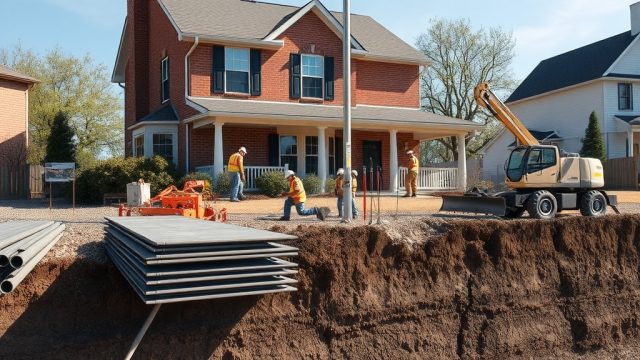
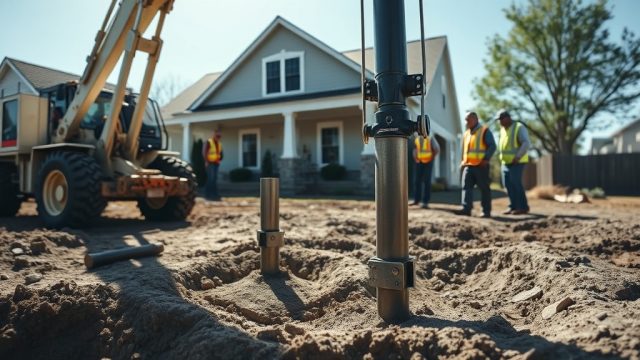
Unlike pushed piers that rely on side friction, helical piers are screwed into the ground using torque motors. The helix plates act like giant screws, pulling the pier deeper until resistance equals the required capacity. In shrink‑swell soil, the key advantage is that the pier anchors deep beneath the active zone—typically 4 to 6 feet down in many regions, though depths can reach 25 feet or more in severe clays.
The piers do not fight the soil’s natural movement; they bypass it. The foundation loads are carried through the pier shaft directly to competent bearing strata, while the surrounding clay can expand and contract without imparting forces on the structure. This design is particularly effective for houses with moderate differential settlement, as long as the piers are installed to the correct depth and torque specifications.
For a detailed comparison with other methods, see our guide on Helical Piers vs Push Piers for Wet Soil Conditions: Which Performs Better?.
What Are the Most Common Troubleshooting Issues with Helical Piers in Shrink‑Swell Soil?
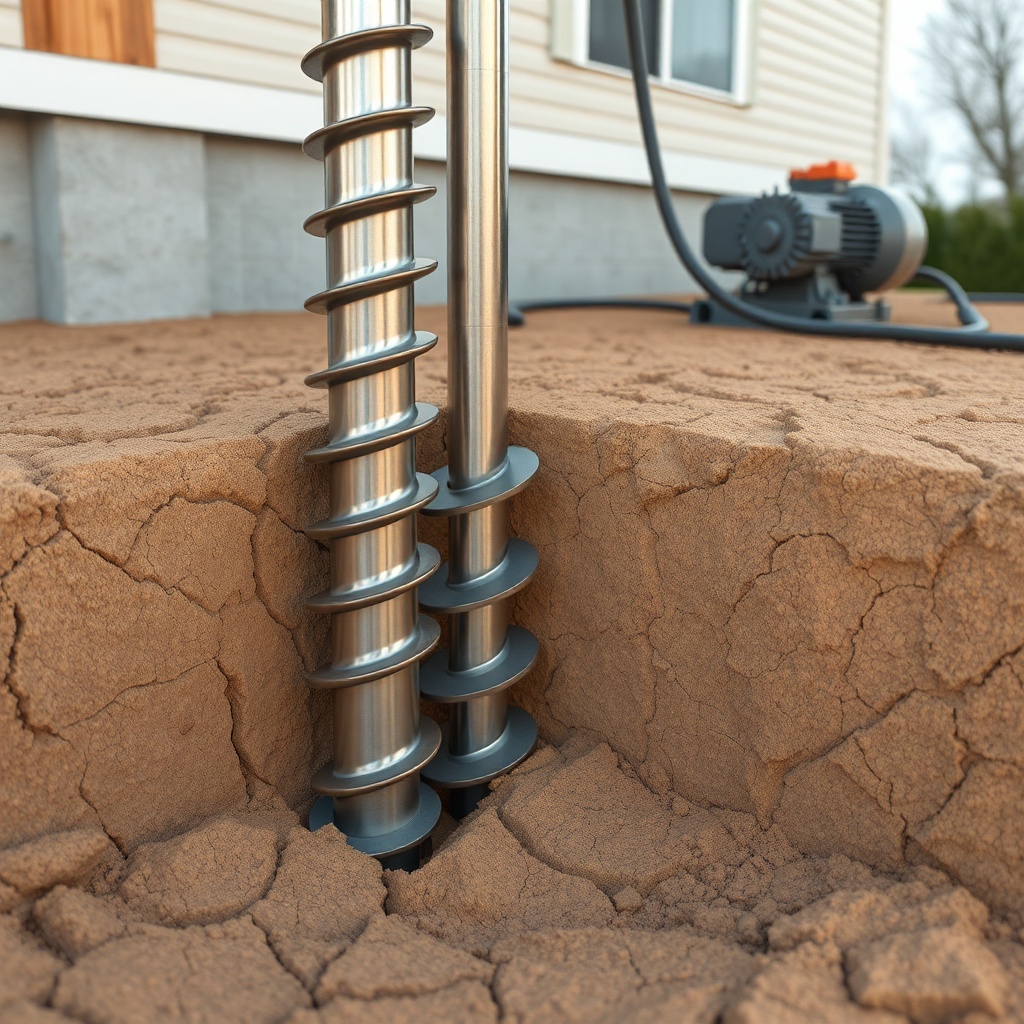
Even the best‑installed helical piers can show signs of trouble years later, especially in extreme clay environments. Homeowners should watch for these issues:
- Helical plate lift or creep: In rare cases, if the bearing strata is not adequately competent, the helix may gradually rise during wet cycles. This can cause the foundation to lift slightly, often visible as new cracks in drywall or misaligned doors.
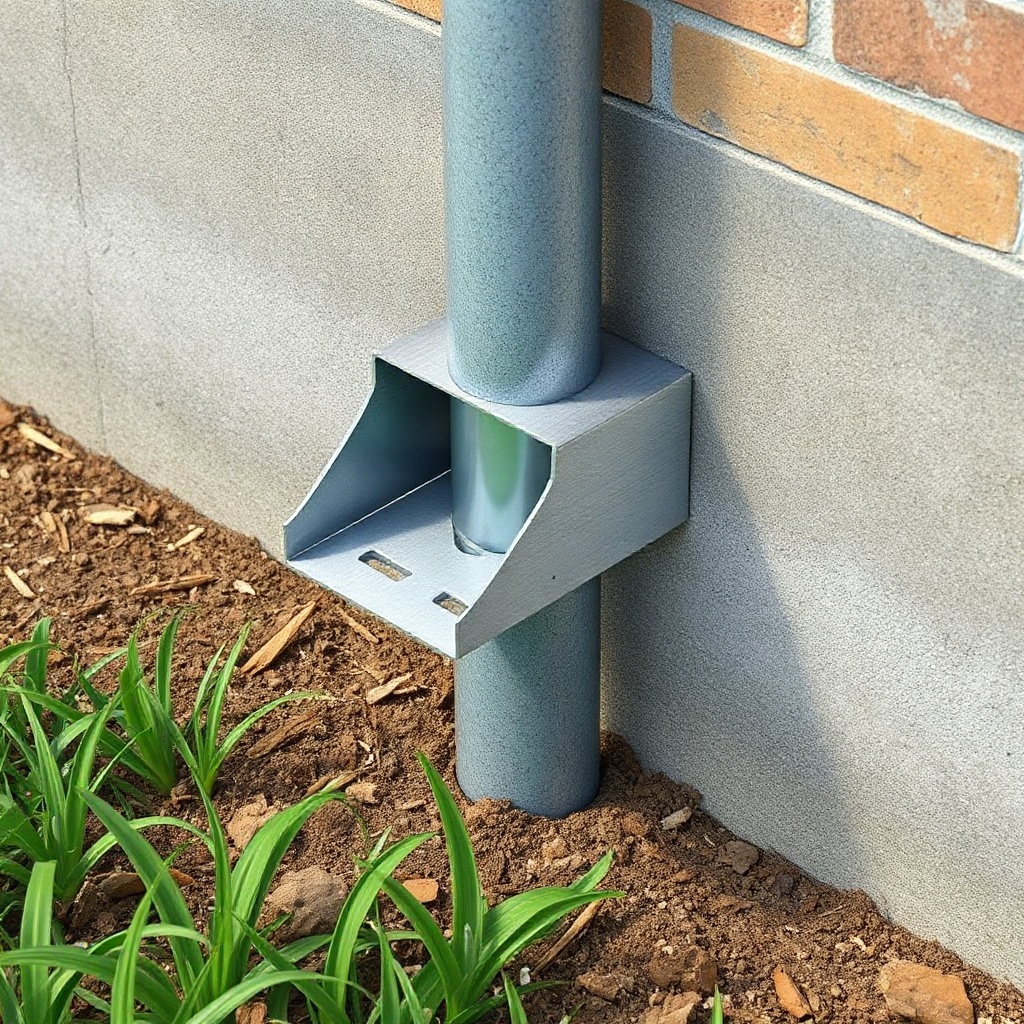
- Corrosion at the pier cap: The connection bracket between the pier and the foundation can corrode if the soil retains moisture for long periods or if the bracket is not galvanised properly. This weakens load transfer.
- Incorrect torque during installation: If the installation crew did not achieve the specified torque, the pier may not have reached refusal, leaving it unable to handle the full load when the soil swells. This leads to ongoing settlement.
- Lateral movement in highly plastic clay: Shrink‑swell soils can exert lateral forces on the pier shaft. While helical piers are designed for axial loads, severe lateral shifting can cause slight bending of longer shafts. Proper pier spacing and size selection reduce this risk.
Regular inspection every two years, especially after prolonged drought or heavy rain, helps catch these problems early. Check for cracks around the pier connection point, and monitor for changes in floor levels using a laser level or string line.
Comparative Performance: Helical Piers vs. Other Methods in Expansive Soils
To help homeowners decide, the table below compares helical piers with two common alternatives—push piers and slab grouting—in shrink‑swell clay conditions. The prices quoted are based on a typical 2,000 sq ft home with moderate settlement in the US market.
| Feature | Helical Piers | Push Piers | Slab Grouting (polyurethane or cement) |
|---|---|---|---|
| Installation depth | 10–30 ft (to bearing strata) | 20–40 ft (friction‑based) | Surface‑to‑3 ft (shallow) |
| Best for shrink‑swell | Excellent – bypasses active zone | Good – but requires sleeve in some clays | Poor – lifts slab but does not address deep movement |
| Cost per pier (installed) | $1,200–$1,800 per pier | $1,000–$1,500 per pier | $2,000–$4,000 per slab (general) |
| Typical total cost (6–8 piers) | $7,200–$14,400 | $6,000–$12,000 | $6,000–$12,000 (limited lift) |
| Main lifespan | 50+ years (galvanised) | 40+ years (steel) | 10–20 years (depending on soil) |
| Risk of future settlement | Low if installed to refusal | Moderate if soil shifts | High – does not stop soil movement |
The higher upfront cost of helical piers is often justified by their longevity and ability to handle the extreme cycles of shrink‑swell soil. For a deeper dive into clay performance, read Helical Piers in Clay Soil: Performance Analysis and Installation Tips.
How Should Homeowners Maintain Helical Piers in Shrink‑Swell Soil?
Maintenance is minimal but important. Follow these steps to ensure your helical piers continue performing:
- Inspect the pier brackets annually for rust or cracking. Use a wire brush and apply a rust‑inhibiting paint if needed. In coastal areas with salty air, check every 6 months.
- Monitor the soil grade near the foundation. Do not allow water to pond around the piers; maintain a positive slope of at least 5 % away from the house. Proper drainage reduces the amount of moisture entering the clay, which lessens swelling pressure.
- Keep records of pier installation: torque values, depth, and soil logs. If you ever need a second repair, this data helps engineers determine if the piers are still sound or if additional piers are needed.
- After a drought, water the soil around the foundation evenly (using a soaker hose) to prevent rapid rehydration and sudden swelling that could shock the piers.
- Avoid heavy landscaping changes such as adding large trees near the piers. Tree roots can suck moisture unevenly from the clay, causing differential shrinkage and potential shifting near the pier footings.
If you notice signs of movement after extreme weather, do not ignore them. Even a ¼‑inch crack can indicate that the pier bearing strata has shifted. Call a structural engineer before the problem worsens.
What Do Homeowners Say About Helical Piers in Shrink‑Swell Soil?
Many homeowners who have installed helical piers report positive long‑term outcomes, but they also share practical lessons. One owner in Texas with heavy clay soil noted: “After two years, our doors no longer stick, and the cracks in the drywall have not reopened. We had eight piers installed at a cost of $11,200. The crew was careful, and they showed us the torque readings. I believe it was worth the money.”
Another owner from Oklahoma highlighted the importance of proper installation: “The first company used undersized helices and didn’t reach refusal. Within a year, the house settled again. We hired a different engineer who added two more piers and used larger plates. Now, four years later, no issues. Don’t cheap out on the initial job.”
Conversely, some homeowners expressed regret when they chose a cheaper alternative like push piers in shrink‑swell soil. One review stated: “We went with push piers because they were $2,000 less overall. But three years later, the house lifted in the wet season, and we had to install helical piers anyway. The total cost ended up double.”
These real‑world experiences emphasize that helical piers are not a “set and forget” solution – they require proper specification and occasional vigilance. For additional perspectives, see Helical Piers for Bowing Walls: Stabilization Guide for Homeowners and Helical Piers for Under-Slab Foundations: Application Guide for Homeowners.
Frequently Asked Questions
1. Can helical piers lift a settled foundation in shrink‑swell soil?
Yes, helical piers can be used to lift a settled foundation. During installation, the pier is torqued into the ground and then a hydraulic jack attaches to the pier cap to raise the foundation to its original level. However, lifting requires careful monitoring to avoid damaging the structure. In many cases, the piers are installed and the foundation is stabilised without active lifting, but if lifting is needed, it can be done.
2. How deep do helical piers need to be in shrink‑swell clay?
Depth varies widely by location. In areas with shallow active zones (e.g., 4–6 ft deep), piers of 10–15 ft are often sufficient. In deeper clays like those in parts of Texas or Oklahoma, depths of 25–30 ft may be required. A geotechnical soil boring is the best way to determine the correct depth. Always insist on a soil test before installation.
3. Will helical piers prevent all future foundation movement?
No method can guarantee zero movement, especially if the soil shifts dramatically due to seismic activity or major moisture changes. However, properly installed helical piers in shrink‑swell soil typically limit movement to less than ¼ inch over decades. They are one of the most reliable foundation repair methods for expansive clays.
4. How much does a full helical pier installation cost for a typical house?
Expect to pay between $8,000 and $15,000 for a single‑story house requiring 6–8 piers, plus $1,000–$2,000 for engineering fees. For larger homes or more severe settlement, costs can reach $25,000 or more. The price per pier ranges from $1,200 to $1,800 including installation but excluding any cosmetic repairs to the interior.
5. Do helical piers require maintenance after installation?
Minimal maintenance is needed. Annual visual inspection of brackets for rust or damage is recommended. If you live in a coastal or high‑moisture region, consider a protective coating every 3–5 years. Ensure proper drainage around the foundation to keep soil moisture consistent.
6. Can I install helical piers myself?
No. Helical pier installation requires heavy machinery, torque monitoring, and an understanding of soil mechanics. Improper installation can void warranties and lead to structural failure. Always hire a licensed foundation repair contractor and an independent structural engineer to oversee the work.
For more information on alternatives, see Helical Piers vs Grouting for Soil Stabilization: Which Foundation Repair Method Works Best? and Helical Piers in Sandy Soil: Performance Analysis and Installation Tips.