What Are Push Piers and How Do They Work for Foundation Repair?
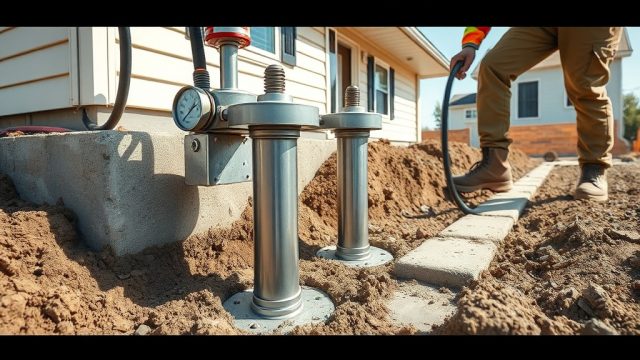
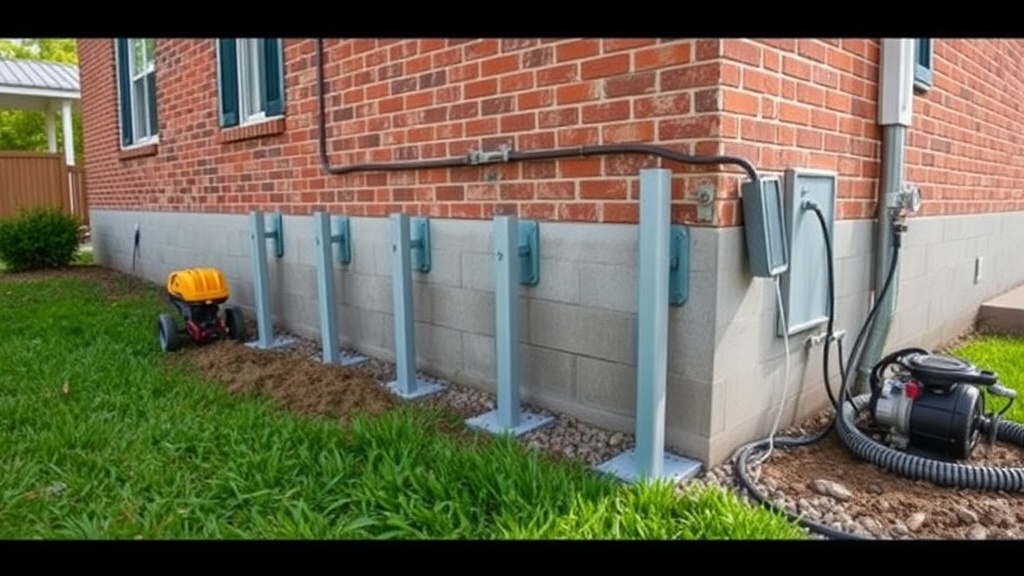
Push piers, also known as resistance piers, are a deep foundation underpinning solution used to stabilize and lift settled concrete foundations. These steel piers are hydraulically driven into load-bearing soil until they reach a stable stratum, typically bedrock or dense compacted soil. The system transfers the structure’s weight from unstable surface soils to deep, competent ground, effectively stopping further settlement. For homeowners facing uneven floors or sticking doors, push piers offer a permanent fix that addresses the root cause of foundation failure.
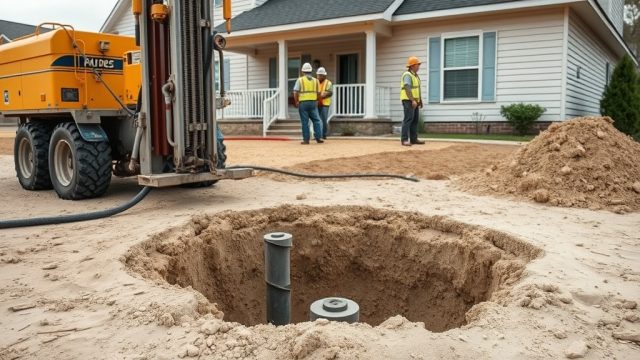
Unlike shallow repairs, push piers rely on the weight of the home itself to provide the resistance needed for installation. A hydraulic ram pushes each pier section into the ground incrementally. Once the pier reaches refusal (the point where no further penetration occurs), the hydraulic pressure is locked in, and a bracket is mounted to transfer the load. Push Piers Installation: A Technical Overview for Homeowners provides a step-by-step breakdown of this process, including soil testing and bracket alignment. The result is a foundation that is no longer sinking but may require minor lifting to restore levelness.
How Do Push Piers Compare to Helical Piers in Cost?
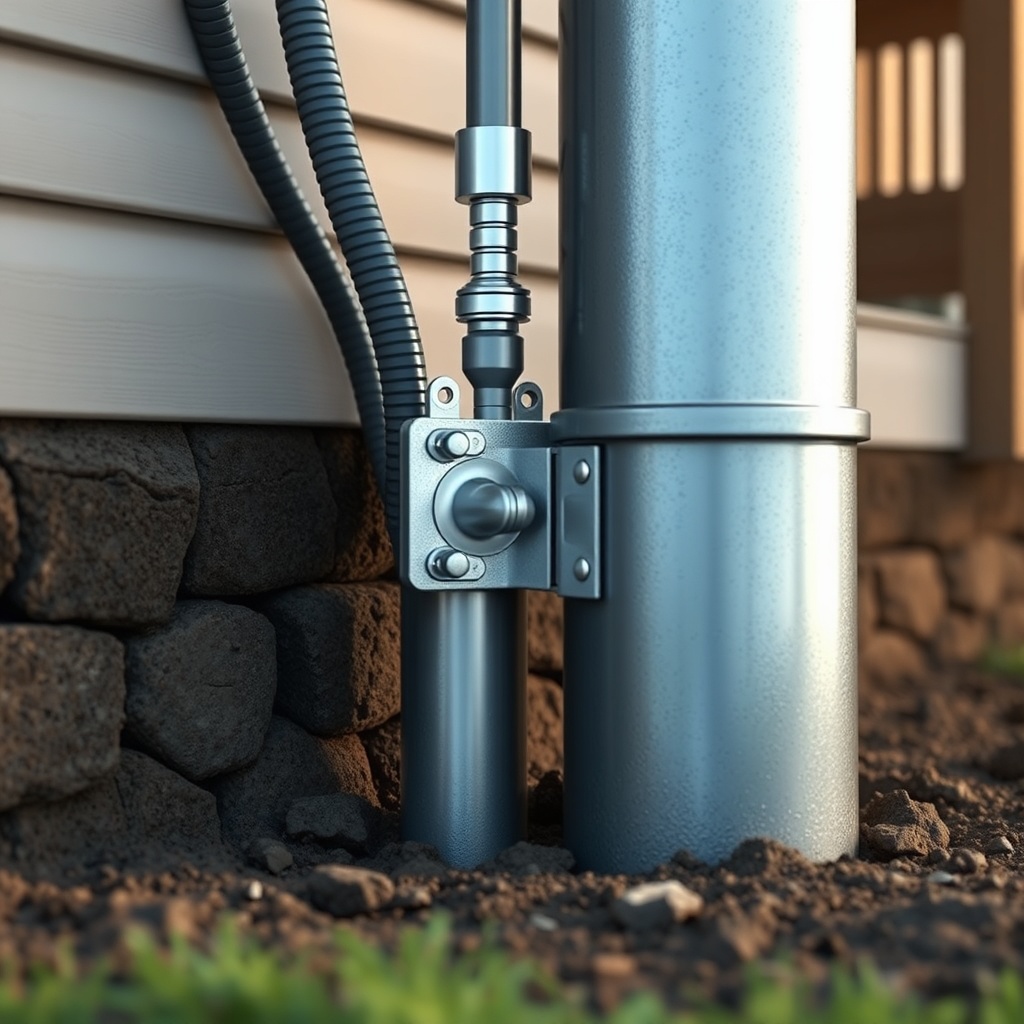
Cost is often the deciding factor for homeowners. Push piers and helical piers share similar material costs, but labor and application requirements create notable differences. On average, push piers cost between $1,200 and $2,400 per pier installed, while helical piers range from $1,500 to $3,000 per pier. Installation depth and site conditions can push these figures higher. For a typical home requiring eight to twelve piers, total costs often land between $10,000 and $30,000 for push piers, versus $12,000 to $36,000 for helical piers.
Push piers tend to be slightly less expensive because their installation is faster on cohesive soils and requires less specialized equipment for depth verification. However, helical piers can be more cost-effective in loose or sandy soils where push piers risk bouncing or premature refusal. The table below summarizes the key cost factors:
| Cost Factor | Push Piers | Helical Piers |
|---|---|---|
| Average cost per pier | $1,200 – $2,400 | $1,500 – $3,000 |
| Installation speed (per pier) | 30–60 minutes | 45–90 minutes |
| Depth range | 10–50 feet | 10–80 feet |
| Soil compatibility | Cohesive, clay, bedrock | Loose, sandy, alluvial |
| Load capacity per pier | Up to 60,000 lbs | Up to 100,000 lbs |
| Mobilization fee | $500 – $1,200 | $500 – $1,500 |
In terms of upfront investment, push piers are generally 10–15% cheaper than helical piers for the same number of piers. Push Piers vs Helical Piers: When Is Push Pier the Better Choice? offers deeper insight into these cost comparisons and helps you decide based on your specific soil conditions.
When Should a Homeowner Choose Push Piers Over Helical Piers?
The decision often comes down to soil type, load requirements, and access. Push piers excel in cohesive soils like clay, silt, and layered soils with moderate density. They are also preferred when the foundation is heavy—such as concrete slab on grade or multi-story homes—because they can bear high loads without twisting components. In contrast, helical piers are designed for tensile and compressive loads, making them ideal for lighter structures like decks or additions.
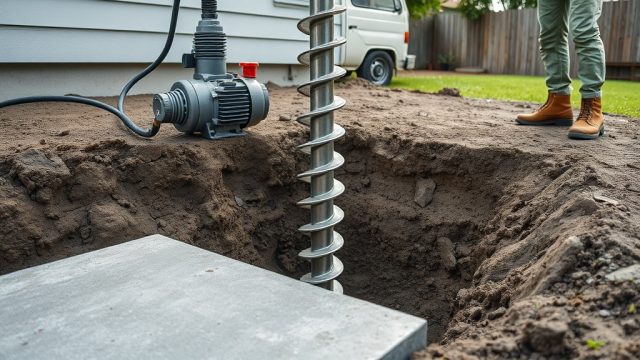
Another key application is when the foundation shows signs of rotation or lateral movement. Push piers, due to their rigid shaft and bracket connection, resist overturning forces better than helical piers. Push Piers for Foundation Rotation: A Step-by-Step Repair Guide explains how installing piers on both sides of a rotated wall can correct lean and prevent future issues. However, if the soil is loose, sandy, or prone to liquefaction, helical piers often perform better because their helical plates engage the soil and provide immediate load transfer.
Installation access is another factor. Push piers require a heavy hydraulic rig that needs about 8–10 feet of clearance and level ground. Helical piers can be installed with smaller, handheld equipment in tight spaces like crawlspaces. For homeowners with limited access, helical piers might be the only option.
What Is the Effectiveness of Push Piers for Vertical Cracks?
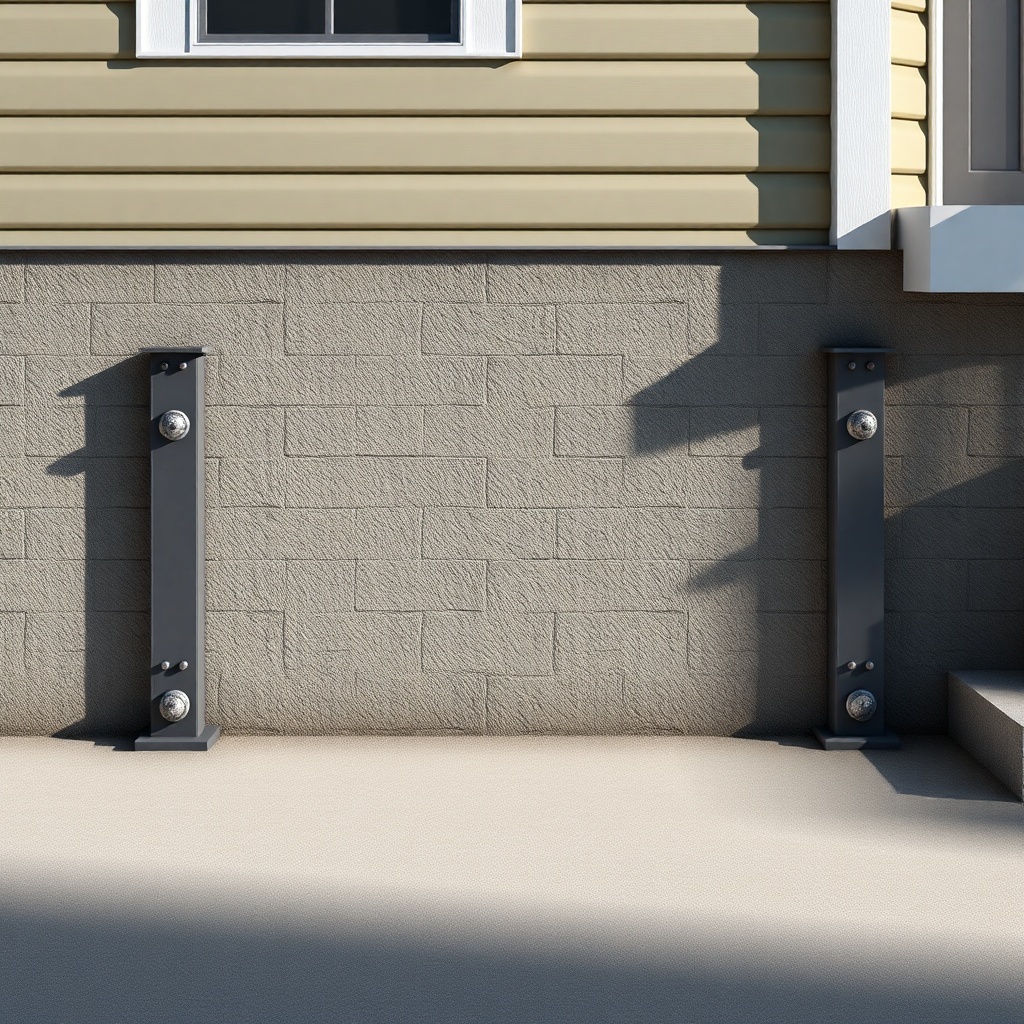
Vertical foundation cracks are often caused by differential settlement—when one part of the foundation sinks more than another. Push piers directly address this by stabilizing the settled side and allowing controlled lifting. They are highly effective for vertical cracks that have not been caused by lateral soil pressure or tree root invasion. Once piers are installed, the crack may close partially during lifting but often requires epoxy injection for a finished seal. Can Push Piers Fix Vertical Foundation Cracks? Effectiveness Explained details how crack width, depth, and soil type influence repair success.
In cases where the crack is wider than 1/4 inch or shows signs of active water seepage, push piers combined with drainage improvements are essential. The piers stop the movement that causes the crack to widen, while waterproofing prevents hydrostatic pressure from forming. Push Piers and Water Drainage: How to Prevent Hydrostatic Pressure covers gutter extensions, grading, and perimeter drainage—interventions that protect the pier system long-term. Without addressing water, even the best pier installation can be compromised.
What Do Homeowners Say About Push Piers After Installation?
Feedback from homeowners who have chosen push piers is generally positive, especially when the work resolves persistent settlement. Many report that doors and windows that once stuck now close smoothly, and floors that sloped are noticeably more level. The permanent nature of the fix—often backed by transferable 25-year warranties—is a common selling point. Homeowners also appreciate that push piers are installed from the exterior, meaning no interior demolition or disruption to living spaces.
Some homeowners, however, express frustration with the upfront cost and the need for regular maintenance. A few note that minor settling or lifting may still occur within the first year, which contractors typically address during follow-up visits. Push Piers Maintenance Checklist: Annual Inspection Tips includes specific tasks like checking bracket bolts for tightness and inspecting pier caps for rust. Overall, the consensus is that push piers are a reliable, long-term solution for homes on expansive or unstable soils, provided installation is performed by a certified contractor.
Frequently Asked Questions
1. How long do push piers last? Push piers made of galvanized steel can last 50 to 100 years or more, as they are installed below the frost line and resist corrosion. Warranty periods typically range from 20 to 30 years and are transferable.
2. Can push piers lift a foundation back to its original level? Yes, but only partially. Most contractors aim to raise the foundation to within 1/2 to 1 inch of level. Full restoration is rare and depends on the original severity of settlement and soil conditions.
3. Are push piers suitable for all soil types? No. They perform best in cohesive soils like clay and silt. In loose sand or gravel, helical piers are often recommended because they engage the soil more effectively.
4. How many push piers does a typical home need? An average single-story house requires 6 to 12 piers, but corners and sections with heavy loads may need more. A structural engineer determines the exact number based on soil bearing capacity and foundation size.
5. Do push piers require maintenance? Minimal. Annual inspections should check for signs of rust, loose brackets, or movement. Keeping soil around the piers graded away from the foundation is also important. The Push Piers Maintenance Checklist outlines the specific steps.
6. How much does a push pier installation cost in USD? Total costs range from $10,000 to $30,000 for a typical home, averaging about $15,000 to $20,000. Individual pier costs are $1,200 to $2,400, with mobilization and engineering fees adding $500 to $1,200.