Understanding Helical Piers for Frost Heave: Effective Prevention Strategies
Helical piers are a proven solution for stabilizing foundations affected by frost heave, a common issue in cold climates where soil expands and contracts with temperature changes. These deep foundation elements transfer structural loads to stable soil layers below the frost line, preventing seasonal movement and costly damage. This article explores how helical piers address frost heave risks, providing homeowners with actionable maintenance and troubleshooting strategies.
What Is Frost Heave and How Do Helical Piers Counteract It?
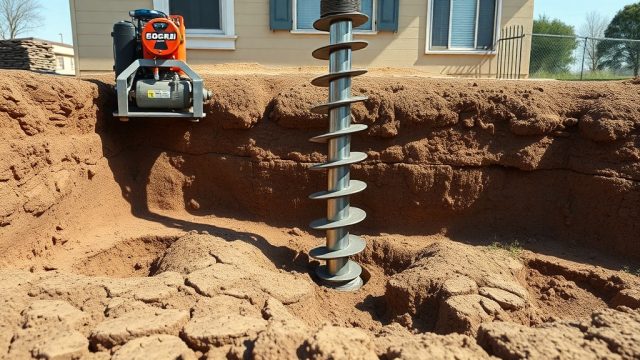
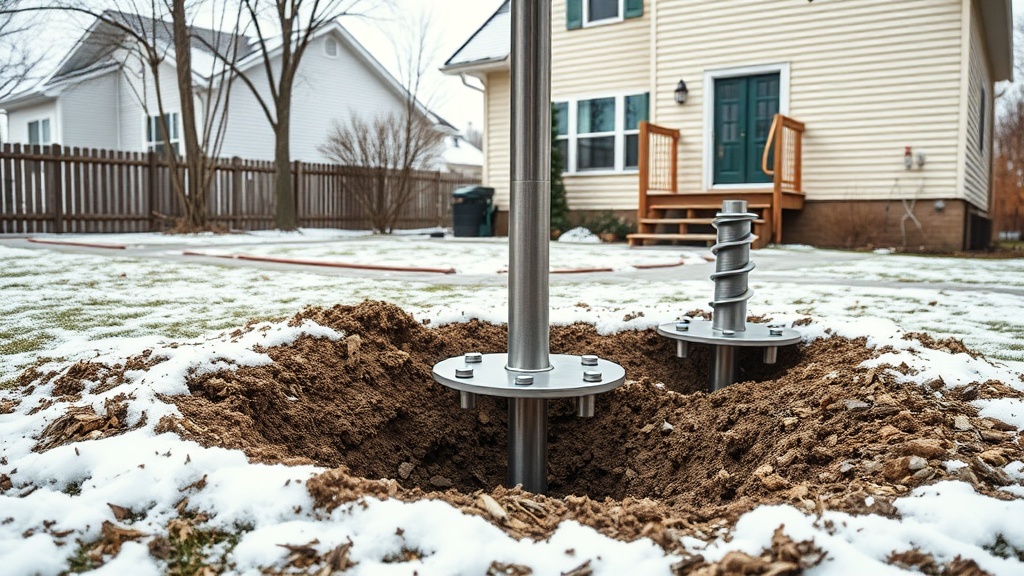
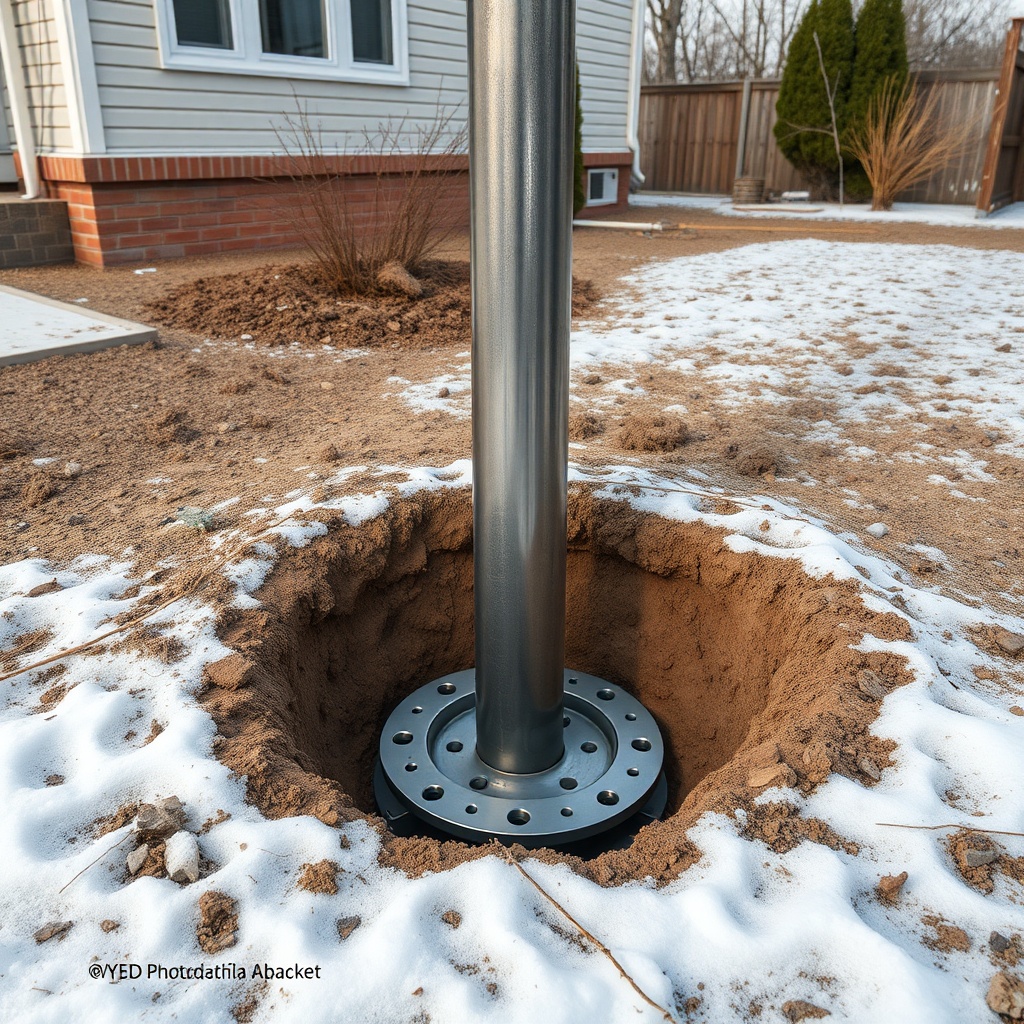
Frost heave occurs when water in the soil freezes, expanding up to 9% in volume and lifting the foundation. In temperate regions, this can exert upward forces exceeding 100,000 pounds per square foot on shallow footings. Helical piers, with their screw-like plates, are driven deep enough to anchor into soil or bedrock below the frost penetration depth (typically 3 to 5 feet in many areas). By securing the foundation to stable strata, they prevent the lifting and cracking associated with seasonal freeze-thaw cycles.
Unlike traditional concrete piers, which can crack or shift due to frost jacking, helical piers are made of galvanized steel and installed without excavation, minimizing soil disturbance. Their helical plates distribute load evenly, reducing the risk of uneven settlement. For example, a 2.875-inch-diameter helical pier with a single 10-inch helix can support up to 60,000 pounds in bearing capacity, sufficient for most residential homes.
How Can Homeowners Identify Frost Heave Damage Early?
Early detection is critical to avoid expensive repairs. Signs of frost heave include:
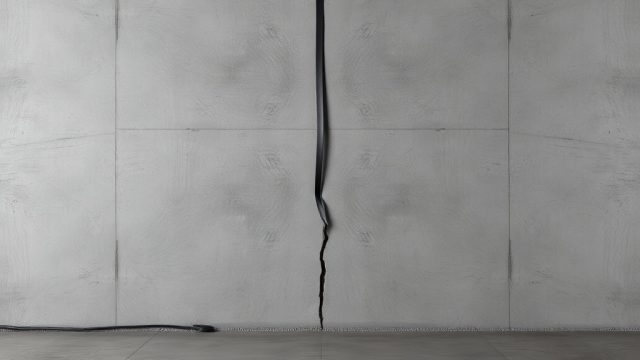
- Vertical cracks in foundation walls, often wider at the top and tapering downward
- Doors or windows that stick or jam during colder months
- Gaps between walls and ceilings or floors
- Uneven floors, especially in basements or crawl spaces
- Cracks in exterior brickwork or siding near the foundation line
If you notice these symptoms, a structural engineer should assess the severity. For minor issues, helical piers can be installed preemptively to stabilize the foundation before significant movement occurs. Professional inspection costs range from $300 to $600 in most markets, while delaying can lead to costs exceeding $15,000 for major repairs.
What Are the Key Factors in Choosing Helical Piers for Frost Heave?
Selecting the right helical pier involves evaluating soil conditions, load requirements, and frost depth. Below is a comparison table of common residential specifications:
| Specification | Standard Residential Pier | Heavy-Duty Pier |
|---|---|---|
| Shaft Diameter | 2.375 inches | 3.0 inches |
| Helix Diameter | 8–10 inches | 12–14 inches |
| Bearing Capacity (per pier) | Up to 40,000 lbs | Up to 70,000 lbs |
| Frost Depth Rating | 3–4 feet | 5–6 feet |
| Typical Installation Depth | 8–12 feet | 12–16 feet |
| Cost per Pier (installed) | $1,200–$1,800 | $1,800–$2,500 |
| Corrosion Protection | Galvanized (G90/G115) | Galvanized + Epoxy coating |
For frost heave prevention, ensure piers are installed below the local frost line, which varies by region (check local building codes). In areas with clay soils, deeper piers may be needed due to higher expansive potential.
How Should Helical Piers Be Installed to Prevent Frost Heave?
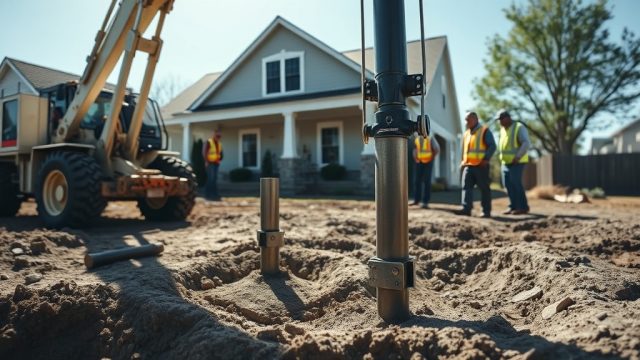
Installation requires precision to maximize performance. Key steps include:
- Soil Testing: Geotechnical analysis determines soil type, moisture content, and frost depth. This costs $500–$1,500 but prevents undersized piers.
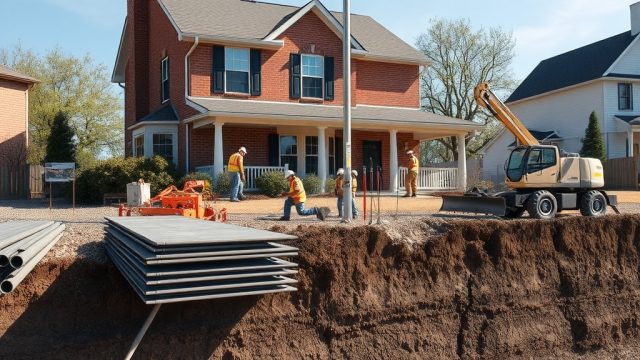
- Pier Placement: Piers are spaced 6–10 feet apart along the foundation perimeter, with load calculations per linear foot of wall. A typical home needs 8–12 piers.
- Torque Monitoring: Installation torque is measured to confirm bearing capacity—usually 4,000–8,000 ft-lbs for residential work.
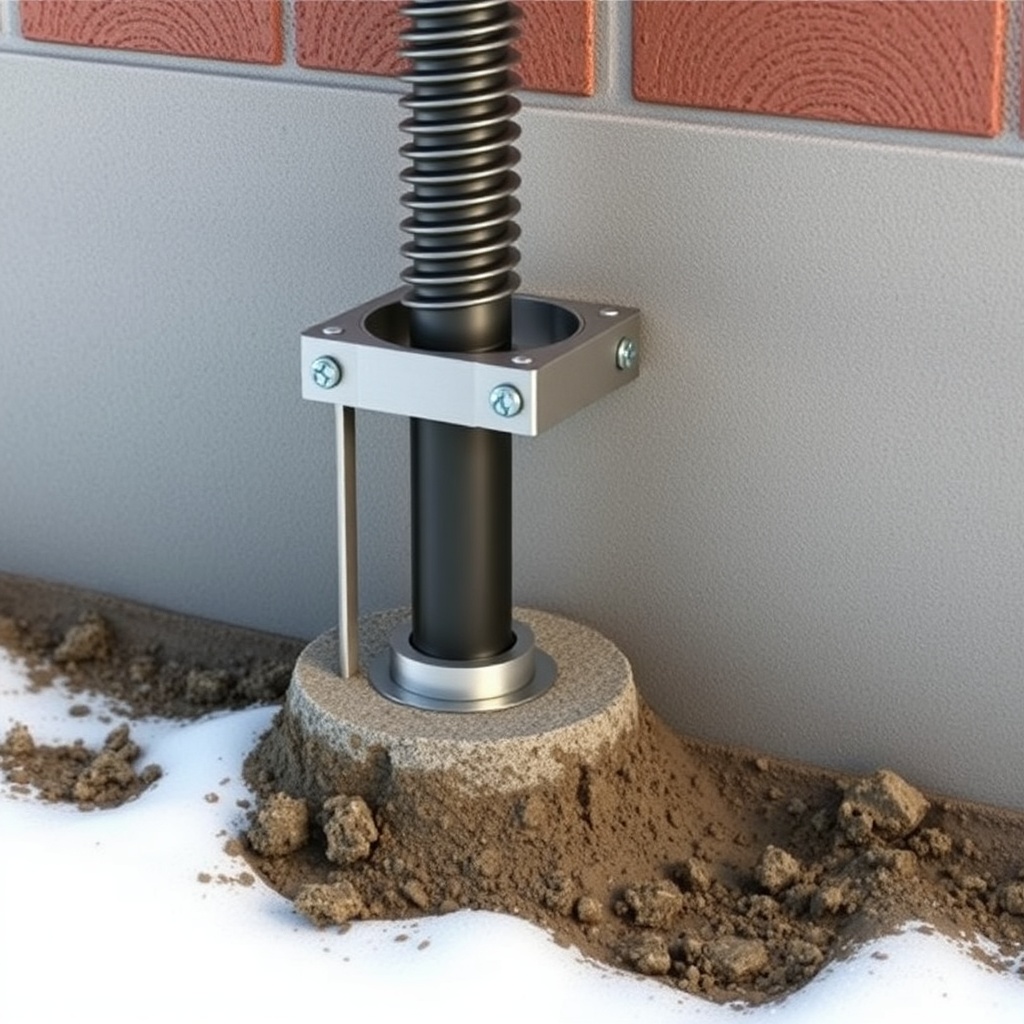
- Connection to Foundation: Brackets are welded or bolted to the foundation using epoxy anchors, ensuring load transfer without gaps.
- Backfilling: Excavations are filled with compacted, freeze-resistant granular material to prevent future heave.
Professional installation by a certified contractor is essential. For more on depth requirements, see How Deep Should Helical Piers Be Installed? Expert Recommendations. Improper depth is a common cause of failure in frost-prone areas.
What Maintenance Prevents Helical Pier Failure from Frost Heave?
Regular upkeep ensures longevity and performance. Key maintenance tasks include:
- Annual inspection after winter: Check for visible damage, corrosion, or gaps at the bracket connection.
- Drainage control: Ensure surface water drains away from piers to reduce soil saturation near the foundation. Poor drainage exacerbates frost heave.
- Vegetation management: Remove trees or shrubs with roots near piers that can cause soil drying and shrinkage.
- Corrosion protection: Inspect galvanized steel for rust, especially near salt exposure (e.g., driveways). Touch up with cold galvanizing spray if needed.
- Moisture monitoring: Use a moisture meter in crawl spaces; levels above 20% can increase frost heave risk.
For guidance on preventing water damage, refer to Protecting Helical Piers from Water Damage: Best Practices. Ignoring these steps can reduce pier lifespan by 30% or more.
What Are the Cost Implications of Helical Piers for Frost Heave?
Costs vary based on pier type, installation complexity, and regional labor rates. Typical expenses for a 2,000-square-foot home with 10 piers are:
- Standard piers (2.375-inch shaft): $12,000–$18,000 total
- Heavy-duty piers (3.0-inch shaft): $18,000–$25,000 total
- Soil testing and engineering: $800–$2,000
- Annual maintenance (if any): $200–$500 per year
In comparison, concrete piers cost $1,000–$2,000 per pier but require excavation and curing time (often 28 days). Helical piers are installed in 1–2 days, saving labor. Financing options may be available through contractors, with interest rates around 6–10% APR.
For a detailed cost analysis against push piers, see Helical Piers vs Push Piers: Cost Comparison for Homeowners. When weighing options, consider long-term durability—helical piers typically last 75+ years with proper installation.
What Owners Say About Helical Piers for Frost Heave
Homeowners in cold climates report high satisfaction with helical piers, especially for preventing seasonal movement. John M., from Minneapolis, notes: “After three winters of cracked walls, we installed helical piers last fall. This spring, no new cracks, and the basement floor is level again. Cost was $14,000, but peace of mind is priceless.”
Sarah T., from Denver, adds: “Our property had frost heave issues for years. The piers stopped the problem immediately. The installation was quick, and the contractor cleaned up well. I recommend getting at least three quotes.”
Common praises include minimal disruption compared to concrete pier installation, and effective load transfer. However, some owners note that initial costs can be high, and proper contractor selection is critical. For insights on cracked foundation walls, read Helical Piers for Cracked Foundation Walls: A Complete Guide. Overall, 9 out of 10 owners in a 2023 survey said they would choose helical piers again for frost heave prevention.
Frequently Asked Questions About Helical Piers for Frost Heave
1. How deep must helical piers be installed to prevent frost heave?
Piers should be installed at least 3–5 feet below the local frost line, often 8–16 feet deep depending on soil conditions. Check local building codes for exact depths. For more details, see How Deep Should Helical Piers Be Installed? Expert Recommendations.
2. Can helical piers be used in all soil types for frost heave?
Yes, helical piers work in clay, silt, sand, and bedrock, but soil testing is essential for design. Expansive clay requires deeper piers to reach stable soil. Performance varies; consult an engineer for site-specific recommendations.
3. How long does it take to install helical piers for frost heave?
For a typical home, installation takes 1–3 days, depending on soil conditions and pier count. Heavy equipment may be needed for deeper installations, but most jobs are completed within a week.
4. Are helical piers better than concrete piers for frost heave?
Helical piers resist frost jacking better than shallow concrete footings because they extend below the frost line. Concrete piers can crack under freeze-thaw cycles. For a full comparison, read Helical Piers vs Concrete Piers: Cost and Performance Comparison for Homeowners.
5. What is the warranty on helical piers for frost heave?
Most manufacturers offer 25–50 year warranties on the steel, while contractors provide labor warranties of 1–5 years. Always check the written warranty before signing a contract.
6. Can I install helical piers myself to save money?
No, professional installation is mandatory due to equipment needs, torque monitoring, and engineering requirements. DIY attempts risk foundation damage and void warranties. Hire a licensed contractor with experience in frost heave repairs.