What Are Carbon Fiber Straps for Foundation Crack Monitoring, and Do They Signal Structural Movement?
Homeowners often install carbon fiber straps to reinforce cracks in basement walls, but these straps also serve as a monitoring tool. When a strap is bonded across a crack, any subsequent movement may cause the strap to deform, indicating the crack is still active. This article explains how carbon fiber straps function as movement indicators, what to look for, and when professional evaluation is necessary.
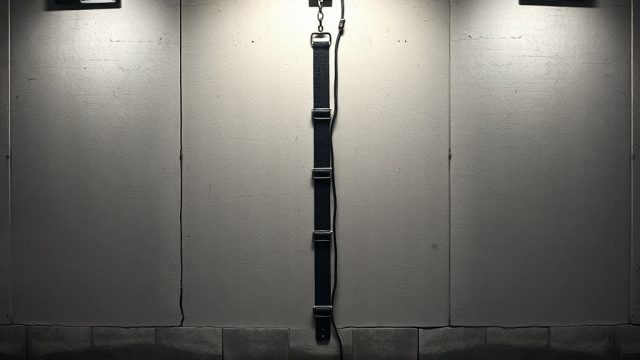
Carbon fiber straps are high-tensile strips adhered to foundation walls with epoxy to prevent crack widening. While they are primarily a reinforcement solution, they can also reveal ongoing structural shifts—if the strap buckles, cracks, or separates, it often means the crack beneath it is moving. Understanding these signs helps you decide between routine monitoring and immediate repair.
How Do Carbon Fiber Straps Indicate Crack Movement?
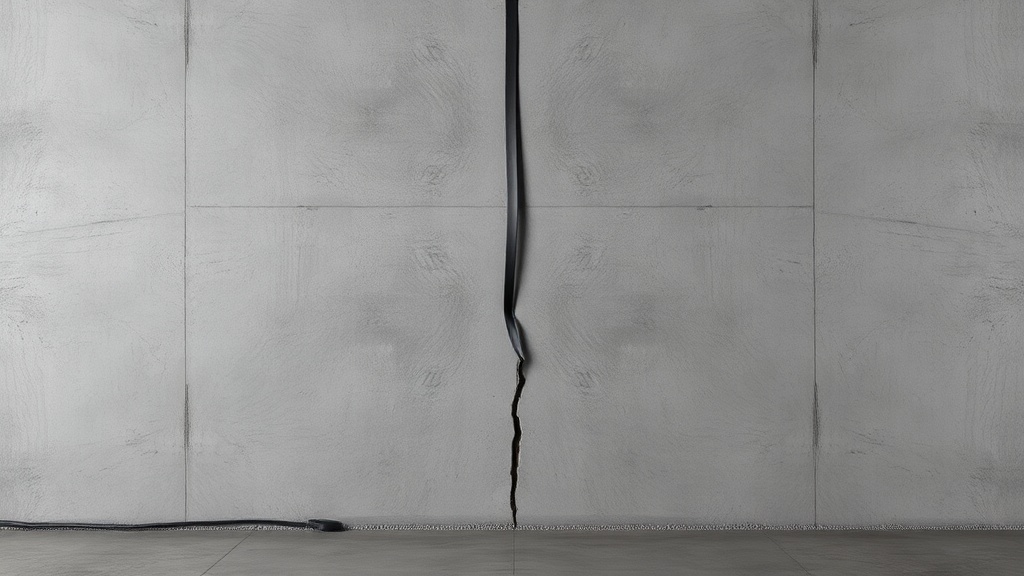
Carbon fiber straps are rigid after curing, so any new movement in the foundation wall creates visible stress on the strap. Common indicators include:
- Bowing or bulging of the strap away from the wall surface
- Fine hairline cracks forming along the strap’s epoxy edge
- Detachment of the strap from the wall at one or both ends
- Popping sounds heard in the basement, which may signal adhesive failure
- Visible separation between the strap and the underlying crack
If you notice any of these signs, the crack is likely widening. For a deeper dive into specific warning signs, read When to Worry: Carbon Fiber Straps and Crack Widening Signs.
Can Carbon Fiber Straps Be Used to Monitor Horizontal Foundation Cracks?
Yes, carbon fiber straps are applied to horizontal cracks as well, but their monitoring value depends on crack type. Horizontal cracks often indicate lateral pressure from soil or hydrostatic pressure, which can cause wall displacement. Straps across horizontal cracks may show:
- Wavy distortion along the strap if the wall is bowing inward
- Gap formation where the strap meets the wall at the crack edges
- Strap detachment at midspan, especially if the crack widens unevenly
Because horizontal cracks are more serious than vertical ones, you should treat any strap deformation as urgent. The article Carbon Fiber Straps for Horizontal Foundation Cracks: Can They Fix Dangerous Wall Displacement? provides specific guidance.
| Crack Type | Typical Strap Response to Movement | Severity Level | Recommended Action |
|---|---|---|---|
| Vertical hairline | Strap may remain intact, but small separation at ends | Low to moderate | Monitor monthly; contact engineer if separation exceeds 1/16 inch |
| Vertical gap (1/4 inch+) | Strap may bow or crack at the center | Moderate | Schedule inspection within 30 days |
| Horizontal crack | Strap often detaches or shows wavy deformation | High | Immediate professional evaluation required |
| Stair-step crack (block wall) | Strap may twist or show diagonal stress lines | High | Call a structural engineer within 1 week |
What Does It Mean When a Carbon Fiber Strap Cracks or Splits?
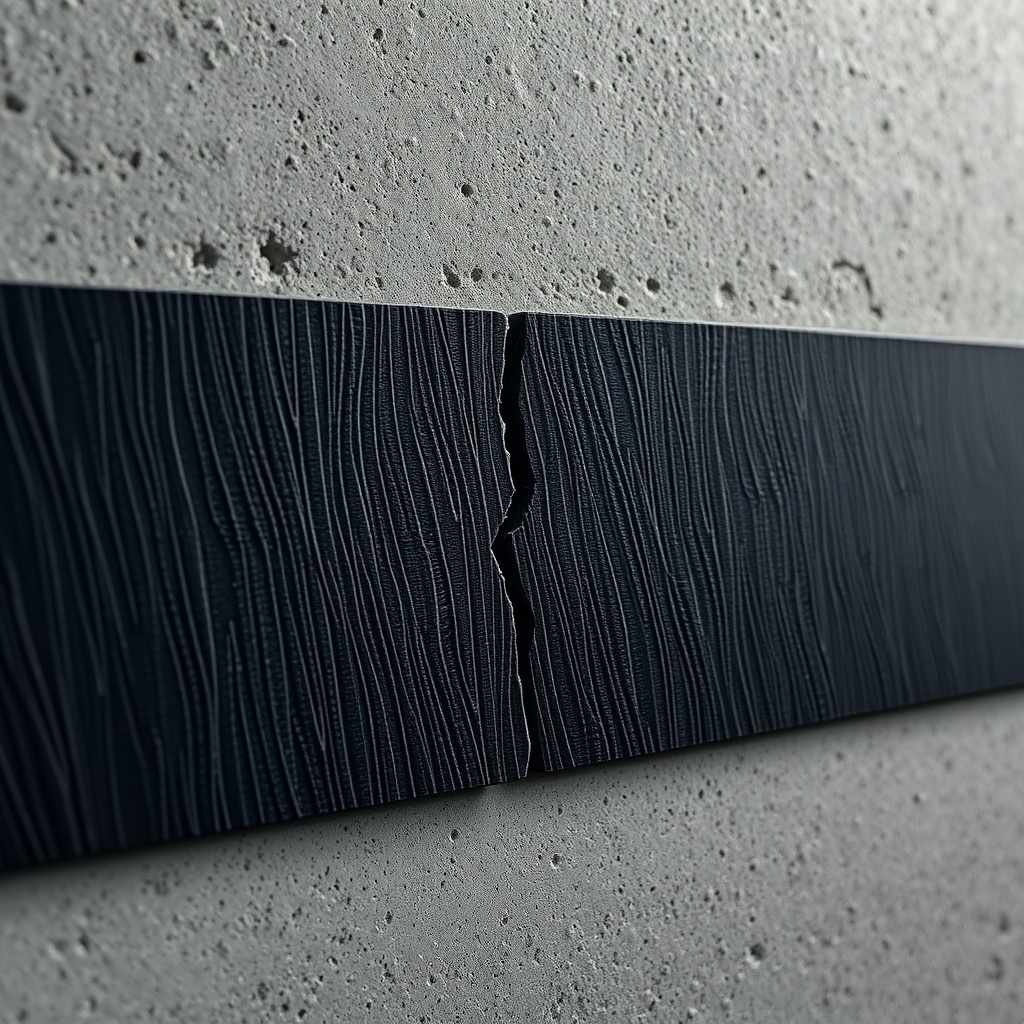
If the carbon fiber itself cracks or delaminates, it usually means the underlying stress exceeded the strap’s capacity—typically around 150,000 to 200,000 psi tensile strength. Possible reasons include:
- Sudden soil settlement or heaving beneath the foundation
- Freeze-thaw cycles that expand and contract the crack
- Improper installation where the strap wasn’t fully embedded in epoxy
- Age-related degradation of the epoxy bond over 15+ years
A cracked strap does not mean the wall is collapsing, but it does mean the crack is active. You should compare the strap’s condition with Carbon Fiber Straps Cost Analysis: Per Linear Foot Breakdown for Homeowners to decide whether repair or replacement is cost-effective.
How Often Should Homeowners Check Their Carbon Fiber Straps for Movement Signs?
For the first year after installation, inspect straps monthly. After that, quarterly checks are sufficient unless you notice changes. During each inspection:
- Run a straightedge along the strap to detect bowing
- Use a flashlight to look for gaps between strap and wall
- Check for dust or debris that may have accumulated at the crack, indicating recent movement
- Measure crack width with a crack monitor gauge (if installed)
For sagging walls or floors, see Carbon Fiber Straps for Foundation Sagging: Application Guide for Homeowners to understand how straps can also lift and stabilize floors when paired with piers.
Do Carbon Fiber Straps Alone Stop Settlement, or Do They Only Monitor It?
Carbon fiber straps are primarily a reinforcement and monitoring tool—they do not stop foundation settlement. Settlement occurs when soil beneath the foundation compresses or shifts, causing the wall to move vertically. Straps can hold a crack from widening laterally, but they do not address the soil issue. To prevent further settlement, homeowners often need:
- Helical piers or push piers to transfer load to stable soil
- Underpinning with concrete or steel
- Soil stabilization through drainage improvements or compaction grouting
For a comprehensive view, read Carbon Fiber Straps for Foundation Settlement Prevention: A Complete Guide to understand when straps are part of a larger system.
What Owners Say About Carbon Fiber Straps as Movement Indicators
“I had a carbon fiber strap installed over a vertical crack in 2019. Last winter I noticed a small bow in the strap. I called a foundation company, and they found the crack had widened by 1/8 inch. The strap did its job—it showed me something was wrong before the crack became a big problem.” — John D., Chicago, IL
“My horizontal crack had two straps applied. Within three years, one strap detached completely. The wall had moved inward half an inch. I wish I had inspected more often. Now I check every season.” — Linda M., Raleigh, NC
“The strap cost me $45 per linear foot installed—about $675 total for a 15-foot vertical crack. The peace of mind was worth it, but I didn’t realize I still needed to monitor the strap itself.” — Mark T., Denver, CO
These experiences highlight that carbon fiber straps are not a permanent fix—they are a durable monitoring system. For comparison with other repair methods, see Carbon Fiber Straps vs Epoxy Injections for Wall Cracks: Which Repair Method Works Best?.
Frequently Asked Questions
1. How long do carbon fiber straps last before they need replacement?
With proper installation, carbon fiber straps can last 30 to 50 years. However, if the underlying crack continues to move, the strap may fail earlier. Replace any strap that shows cracking, delamination, or significant bowing.
2. Can a carbon fiber strap break suddenly?
Carbon fiber has very high tensile strength, but it is brittle under extreme stress. A strap can snap if the foundation wall shifts suddenly, such as during an earthquake or major soil settlement. Sudden breakage is rare but possible.
3. Do I need a professional to inspect a strap that looks fine?
Annual professional inspections are recommended even if the strap looks fine. A structural engineer can measure crack width changes and assess the strap’s bond more accurately than a visual check.
4. Will a carbon fiber strap hide a growing crack?
No. A strap will show visible signs of stress if the crack widens. It does not hide movement—it reveals it through deformation or separation. Always inspect the strap itself, not just the crack beneath it.
5. How much does it cost to replace a damaged carbon fiber strap?
Replacement costs vary by region and complexity, but typical prices range from $40 to $60 per linear foot installed. A 10-foot strap may cost $400 to $600. For cost details, see Carbon Fiber Straps Cost Analysis: Per Linear Foot Breakdown for Homeowners.
6. Can I install carbon fiber straps myself to save money?
DIY installation is possible but risky. Incorrect surface prep or epoxy mixing can cause early failure, voiding the strap’s monitoring value. Most manufacturers require professional installation to maintain warranty. If you do it yourself, follow the guide at Carbon Fiber Straps for Foundation Sagging: Application Guide for Homeowners.