How Do Push Piers Work for Foundation Settlement in Expansive Soil?
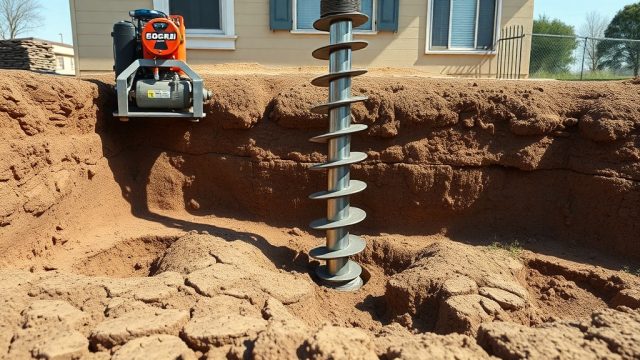
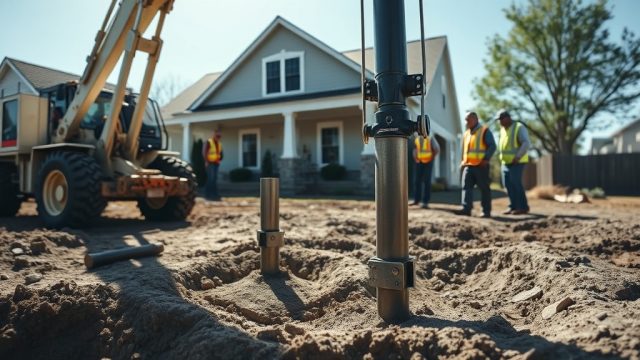
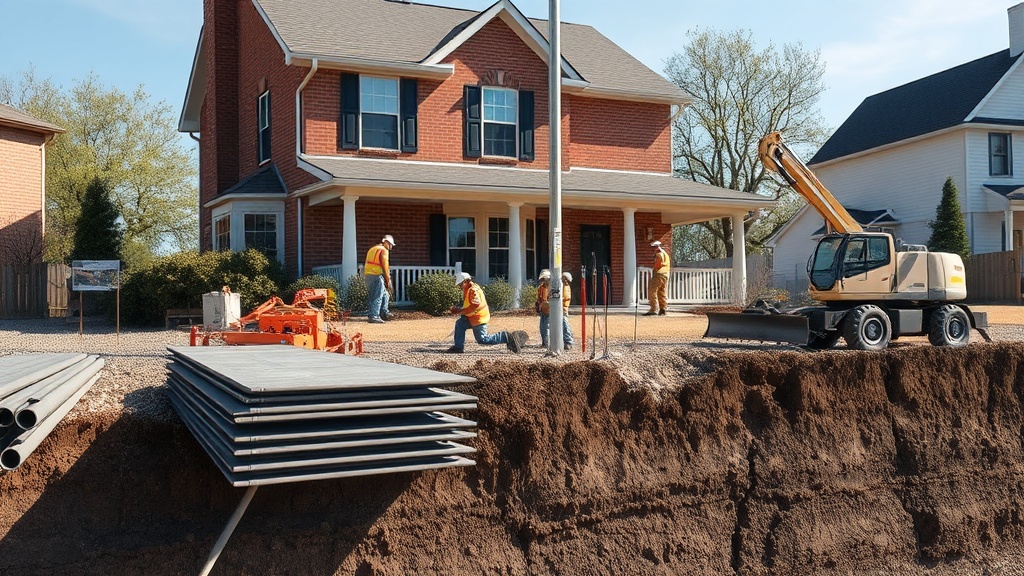
Expansive soils, which swell when wet and shrink during dry periods, are a primary cause of foundation settlement in many regions. Push piers, also known as resistance piers, offer a proven solution by transferring the structure’s load to stable soil or bedrock deep below the troublesome surface layers. These steel piers are hydraulically driven into the ground until they reach a load-bearing stratum, effectively bypassing the expansive soil zone.
During installation, a series of galvanized steel pipe sections are pushed into the ground one section at a time using the weight of the house as resistance. The process continues until the pier achieves a preset resistance, typically measured in tons per square foot. Once installed, brackets are attached to the foundation, and the structure is lifted incrementally to recover lost elevation. This method is particularly effective for homes built on clay-rich soils where seasonal moisture changes cause continuous movement.
For homeowners dealing with recurring settlement, push piers provide a permanent fix by anchoring the foundation to deeper, stable layers. Unlike temporary solutions like soil injection or mudjacking, push piers address the root cause of movement. To maintain long-term performance, regular monitoring is essential—refer to our Push Piers Maintenance Checklist: Annual Inspection Tips for guidance on preserving system integrity.
Why Are Push Piers Specifically Effective for Expansive Soil?
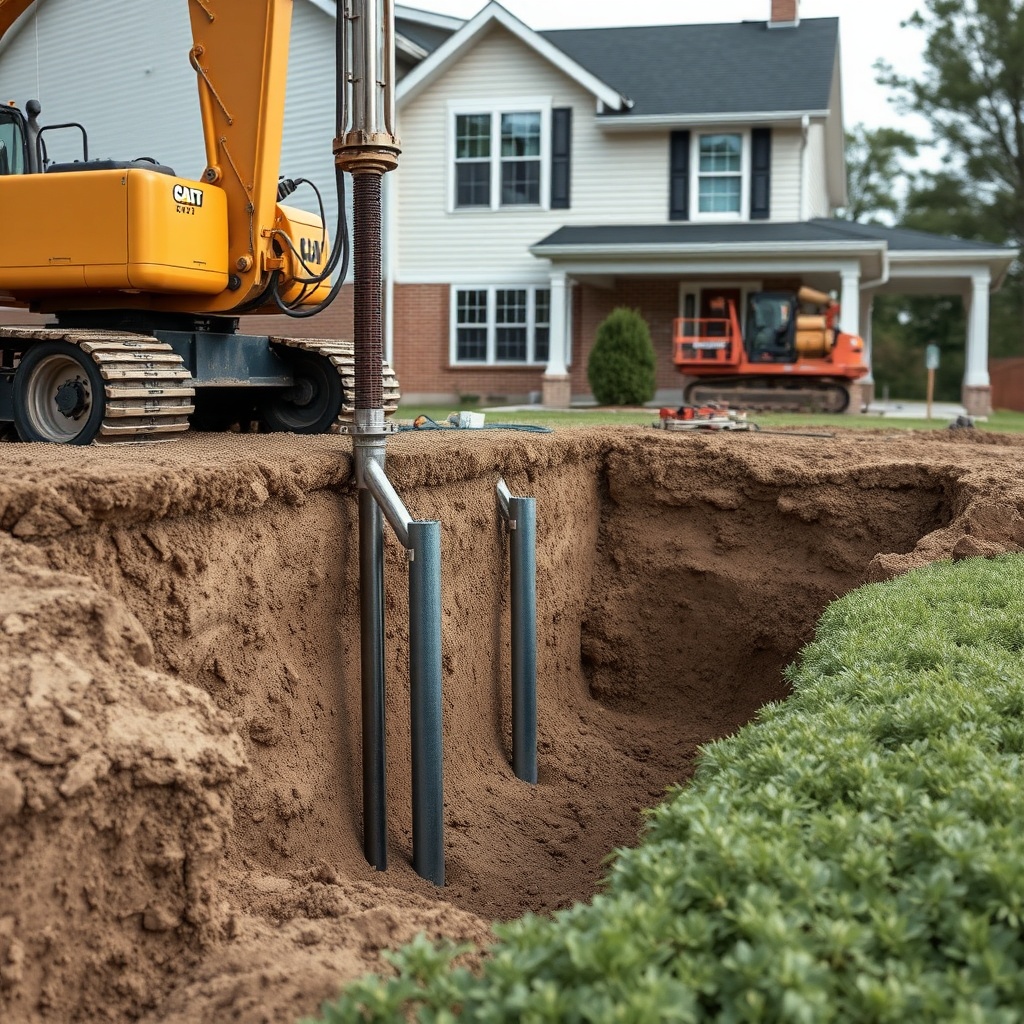
Expansive soils pose unique challenges because they can heave more than 4 inches vertically and cause lateral movement that shifts foundation walls. Push piers are engineered to counteract these forces by providing deep support that ignores surface soil behavior. Here are key advantages:
- Depth reach: Piers can be driven 20 to 50 feet deep, past the active zone of expansive soil (typically 6 to 15 feet), into stable strata like dense sand or bedrock.
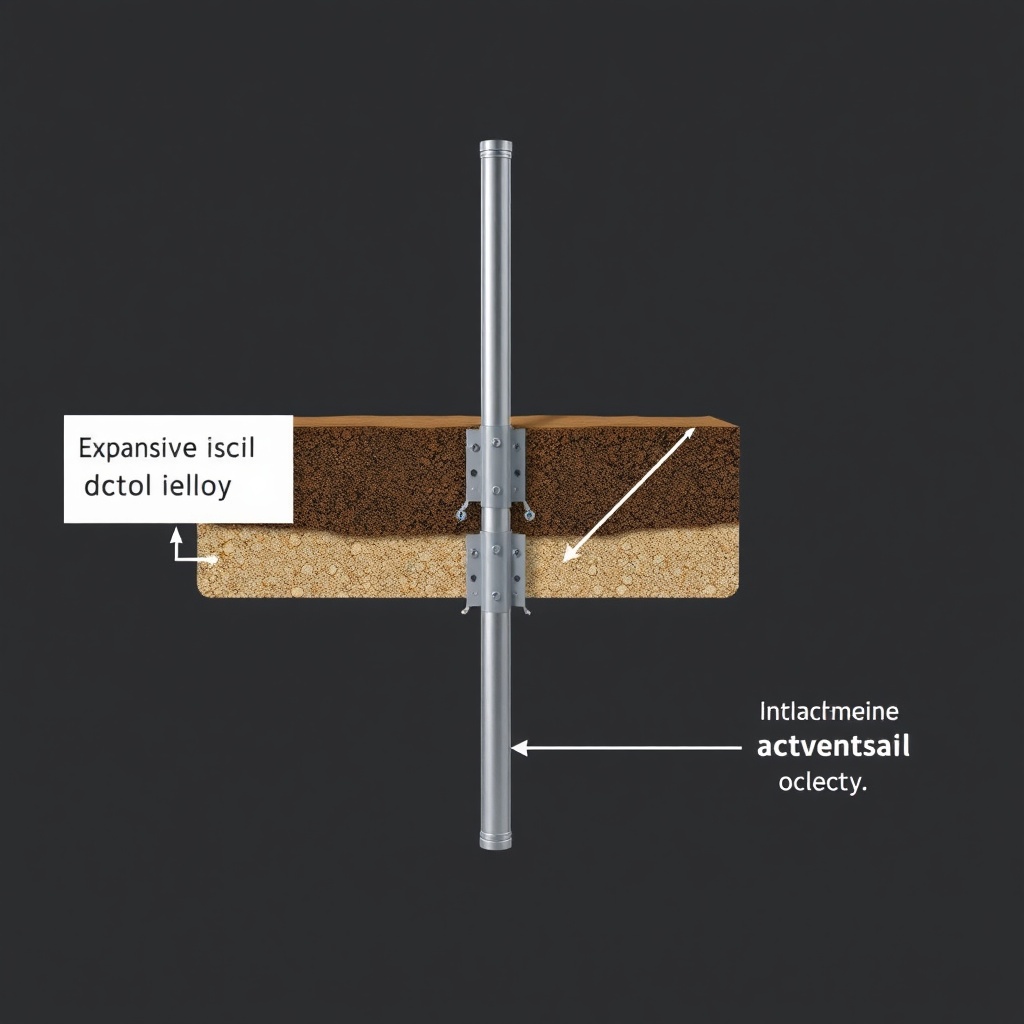
- Resistance to uplift: The steel pier sections are designed to resist tensile forces from soil swelling, preventing the foundation from being pushed upward.
- Minimal soil disturbance: Installation requires only a small excavation around the foundation, preserving landscaping and reducing risk of additional soil movement.
- Load capacity: Each pier can support 20 to 100 tons depending on soil conditions and pier diameter, suitable for typical residential structures.
In expansive soil regions, the failure of shallow foundations is common due to differential movement. Push piers offer a restorative solution that lifts settled areas back to level while preventing future heave. For a detailed comparison with alternative techniques, see our article on Push Piers vs Helical Piers: When Is Push Pier the Better Choice?.
| Soil Type | Typical Heave Potential | Push Pier Depth Required | Estimated Cost per Pier (GBP) |
|---|---|---|---|
| Low-expansive clay (e.g., silt loam) | 0–2 inches | 10–20 feet | £850–£1,400 |
| Moderate-expansive clay | 2–4 inches | 15–30 feet | £1,200–£1,800 |
| High-expansive clay (e.g., bentonite) | 4–8 inches | 20–50 feet | £1,500–£2,500 |
Note: Costs are per pier for standard residential installation in the UK. Total project cost depends on number of piers and site accessibility.
What Signs Indicate Push Piers Are Needed for Foundation Settlement?
Homeowners should watch for several telltale signs that their foundation is settling due to expansive soil. Early detection can prevent costly structural damage and reduce repair complexity. Common indicators include:
- Sloping or uneven floors: A noticeable tilt when walking across a room, especially near exterior walls. This often precedes more serious issues.
- Sticking doors and windows: Frames become misaligned, causing doors to drag or windows to jam. This is a result of differential settlement shifting the structure.
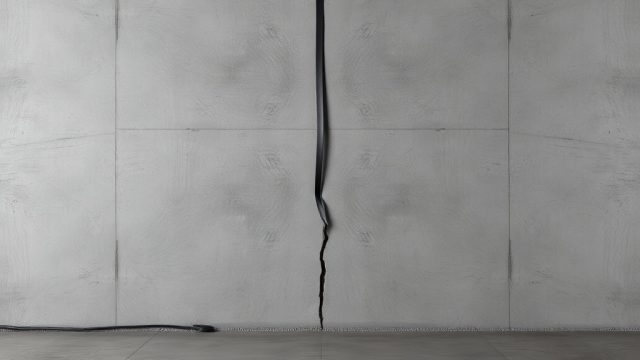
- Interior wall cracks: Vertical or diagonal cracks above doorframes or at corners. Wider than 1/8 inch often signify active movement.
- Exterior foundation gaps: Separation between brickwork or siding and the foundation, or visible gaps around the basement wall.
If you observe these signs, especially in combination, it’s wise to consult a structural engineer. Push piers can correct sloping floors effectively—learn more in our guide on Push Piers for Sloping Floors: How They Correct Foundation Settlement.
How Does Push Pier Installation Differ in Expansive Soil Compared to Other Soils?
Installation in expansive soil requires careful planning to avoid inducing further heave or settlement. Key differences include:
- Pre-installation soil analysis: Moisture content and plasticity index are measured to determine the active zone depth. Piers must extend below this zone.
- Torque or resistance monitoring: Push piers rely on hydraulic pressure readings (in tons) to confirm load-bearing capacity. In expansive soil, higher resistance is needed to counter future heave forces.
- Bracket placement: Brackets are attached to the foundation footing, not directly to the slab, to accommodate slight movement and prevent stress fractures.
- Post-installation drainage improvements: Proper grading and gutter systems are often recommended to minimise moisture changes in the expansive soil, prolonging pier performance.
Failure to account for soil expansion can lead to pier uplift or foundation damage. For a comprehensive cost and application comparison, read Push Piers vs Helical Piers: Cost and Application Comparison for Homeowners.
What Are the Common Mistakes Homeowners Make When Considering Push Piers?
Homeowners often fall into pitfalls that compromise the effectiveness of push pier systems. Understanding these errors can save time, money, and future headaches. Common mistakes include:
- Skipping a geotechnical survey: Assuming soil conditions are uniform without a proper soil report leads to insufficient pier depth or inadequate load capacity.
- Choosing the cheapest quote: Low bids may use undersized piers or poor-quality steel, risking failure in expansive soil conditions.
- Ignoring drainage issues: Without correcting surface water management, expansive soil will continue to move, stressing the piers over time.
- Neglecting regular inspections: Push piers require annual checks for corrosion, bracket alignment, and settlement indicators. See our Push Piers Maintenance Checklist: Annual Inspection Tips for a detailed schedule.
- Overlooking rotational correction: If the foundation has rotated (tilted rather than uniformly settled), standard pier placement may not suffice. For more, read Push Piers for Foundation Rotation: A Step-by-Step Repair Guide.
Avoiding these mistakes ensures your investment delivers lasting stability. Professional installation by a qualified contractor is non-negotiable, but education empowers you to ask the right questions.
What Do Homeowners Say About Push Piers for Expansive Soil?
Feedback from homeowners who have used push piers in expansive soil regions is largely positive, with many noting a dramatic improvement in structural stability. Common themes include satisfaction with the permanent solution, though some mention the upfront cost and disruption during installation.
One homeowner in the South East, whose 1920s semi-detached house had sloping floors and sticking doors, reported: “After push piers installation, the floors are perfectly level for the first time in decades. The settling cracks have stopped widening, and doors close smoothly again. It cost about £8,000 for six piers, but it’s given us peace of mind.”
Another owner in the Midlands highlighted the importance of contractor selection: “We got three quotes, and went with the mid-range option. The installer explained the soil analysis and depth requirements—a cheaper quote skipped the soil test. Six months later, no issues. I’m glad we invested properly.”
Common complaints relate to the driveway repair needed after installation and the temporary inconvenience of having equipment on site for 2–3 days. However, most agree that the long-term benefits far outweigh these short-term disruptions. For those concerned about installation errors, our guide on Push Piers Installation Mistakes to Avoid: Common Errors and How to Prevent Them is a valuable resource.
Frequently Asked Questions
1. How long do push piers last in expansive soil?
Properly installed push piers can last 50–100 years or more. Their galvanized steel construction resists corrosion, and the deep support in stable soil avoids movement from expansive soil cycles. Regular inspections help ensure longevity.
2. Can push piers lift a foundation that has settled unevenly?
Yes. Push piers can lift settled sections incrementally, often restoring the foundation to near original level. The process uses hydraulic jacks attached to the piers, and lifting is done in small increments to avoid structural damage. For severe rotation, refer to Push Piers for Foundation Rotation: A Step-by-Step Repair Guide.
3. What is the typical cost range for push pier installation per pier in the UK?
Costs vary by depth, soil conditions, and accessibility. For expansive soil, expect £1,200–£2,500 per pier, including brackets and hydraulic lifting. A typical residential project with 6–10 piers ranges from £7,200 to £25,000. Always obtain multiple quotes.
4. How do I know if my soil is expansive enough to need push piers?
A geotechnical engineer can test soil plasticity and swelling potential. Visible clues include large cracks in dry soil, heaving of walkways, and foundation movement after heavy rain. If your area has known clay deposits, a soil report is recommended.
5. Are push piers a DIY project?
No. Installation requires heavy hydraulic equipment, precise load calculations, and professional expertise. Incorrect installation can worsen foundation problems. Always hire a licensed foundation repair contractor with experience in expansive soil.
6. Do push piers require maintenance after installation?
Yes. Annual inspections are advised to check for corrosion, bracket movement, or settlement around piers. Gutters and drainage should be maintained to limit soil moisture changes. See our Push Piers Maintenance Checklist: Annual Inspection Tips for a full guide.