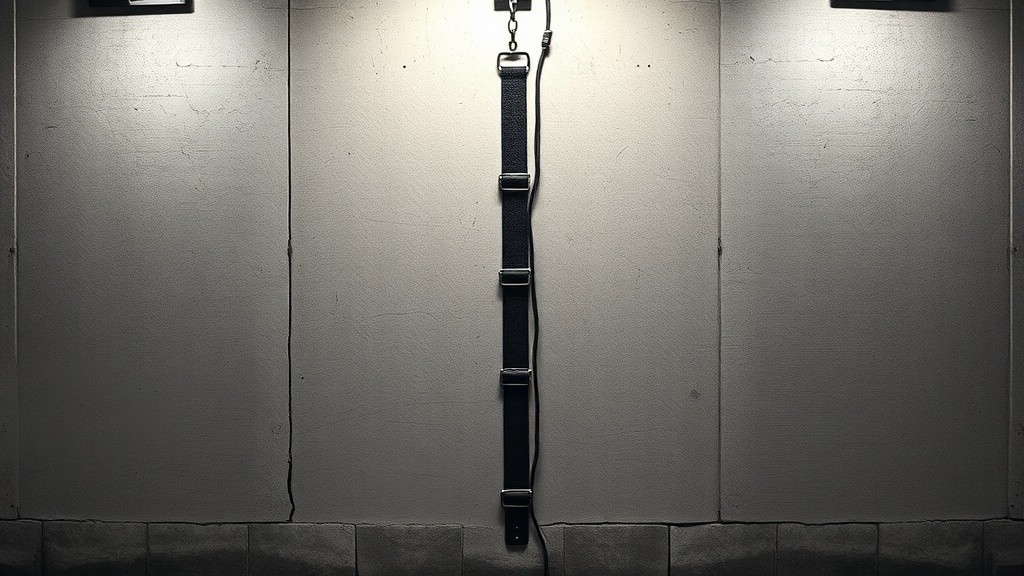
What Are Carbon Fiber Straps and How Do They Prevent Foundation Settlement?
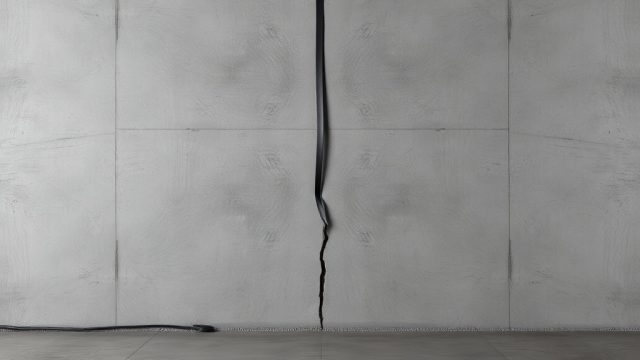
Carbon fiber straps are high-tensile-strength reinforcement strips made from woven carbon fiber filaments embedded in an epoxy resin matrix. Designed specifically for foundation repair, these straps are installed across cracks or weakened areas in concrete walls to resist further movement and prevent settlement. Unlike traditional steel repairs, carbon fiber straps bond directly to the wall surface, transferring tensile loads from the foundation to the strap system and distributing stress evenly. This stabilization method stops active cracks from widening and mitigates foundation settlement by reinforcing the wall’s structural integrity without adding significant weight. Carbon fiber straps vs steel I-beams offers a comparative look for homeowners deciding between reinforcement options.
What Is the Typical Installation Process for Carbon Fiber Straps on Settlement Cracks?
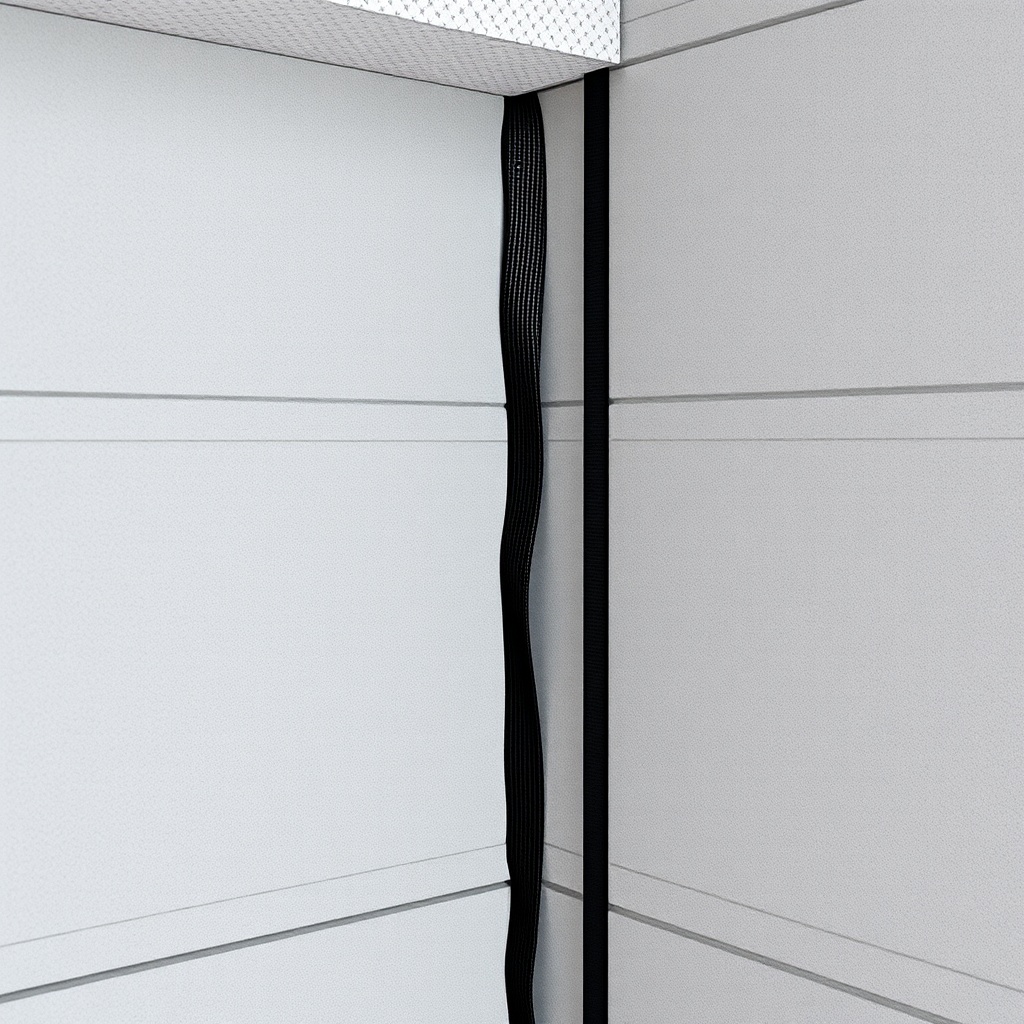
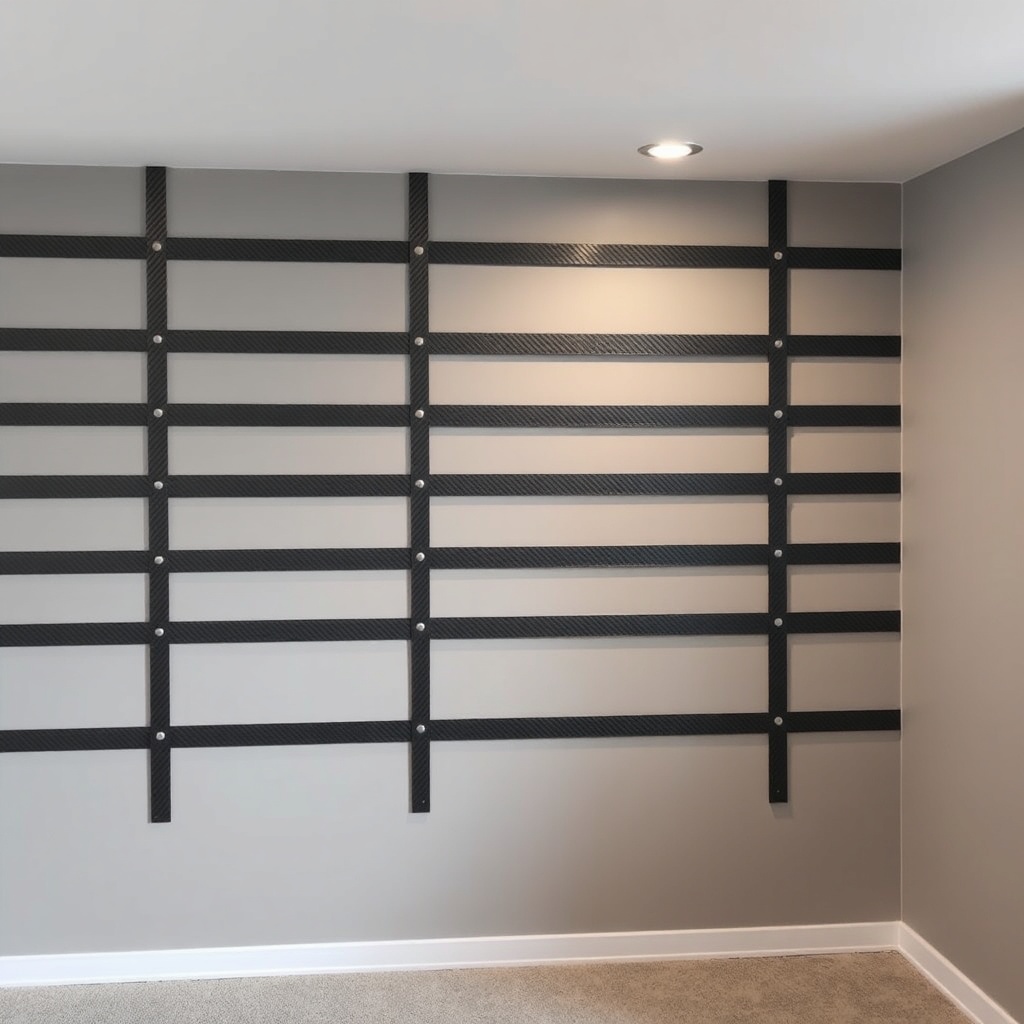
Installation beginswith a thorough inspection of the crack and surrounding foundation. The concrete surface is cleaned and any loose debris or efflorescence is removed. A two-part epoxy adhesive is applied to the crack and the strap location. The carbon fiber strap, which is pre-cut to the required length, is then pressed into the epoxy and rolled to eliminate air pockets. Multiple layers are often applied for higher strength. The system cures within 24 to 48 hours depending on temperature and humidity. After curing, the strap is fully bonded and becomes part of the wall structure. For sagging or bowing walls, straps are typically installed vertically at 2-foot intervals. See Carbon fiber straps for foundation sagging for step-by-step guidance.
How Much Do Carbon Fiber Straps Cost for Settlement Prevention?
Cost varies by the number of straps, crack length, and regional labor rates. On average, homeowners in the United States pay between $300 and $600 per linear foot of strap installed. For a typical 8-foot basement wall with one crack requiring three 4-foot straps, total cost ranges from $1,200 to $2,400. This includes materials (epoxy, carbon fiber, primer) and labor. Compare this with steel I-beam installation, which averages $400–$800 per linear foot. The table below outlines typical cost breakdowns:
| Item | Cost Range (USD) |
|---|---|
| Materials (strap + epoxy) | $30–$60 |
| Labor (per hour) | $80–$150 |
| Total per linear foot | $300–$600 |
| Additional crack injection (optional) | $100–$250 |
For a detailed per-foot breakdown, read Carbon fiber straps cost analysis per linear foot. Note that many contractors offer discounts for multiple strap installations in a single visit.
Do Carbon Fiber Straps Resist Moisture and Water Damage?
Yes, carbon fiber straps are inherently resistant to moisture, rust, and corrosion, making them ideal for damp basement environments. The epoxy coating seals the strap against water intrusion. However, the underlying concrete crack must be properly sealed first. Water that seeps through an unsealed crack can undermine the epoxy bond, leading to strap detachment over time. To prevent this, professionals often inject hydraulic cement or polyurethane resin into the crack before strap installation. For a deep dive, see Carbon fiber straps and moisture: do they resist water damage?. Annual checks for dampness or efflorescence around strap ends are recommended.
When Should You Worry About Carbon Fiber Straps and Crack Widening?
While carbon fiber straps are designed to stop crack propagation, certain signs indicate the repair may be failing. These include visible cracking or peeling of the strap edges, gaps between the strap and wall surface, or re-opening of the original crack more than 1/16 inch. If you notice sudden crack widening after strap installation, it could signal foundation movement that exceeds the strap’s tensile capacity. In such cases, immediate evaluation by a structural engineer is advised. When to worry: carbon fiber straps and crack widening signs provides a comprehensive checklist for homeowners. Typically, well-installed straps can handle minor seasonal movement without issue.
What Do Homeowners Say About Carbon Fiber Straps for Settlement?
Homeowners across the United States report high satisfaction with carbon fiber straps for stopping minor to moderate settlement cracks. Many describe the installation as “quick and clean” compared to steel beam replacements, which require excavation and anchoring. One homeowner in Ohio noted: “We had a 1/4-inch vertical crack in our basement wall. The carbon fiber straps cost us $1,800 total, and after three years, no movement. The wall looks stable and the straps blend in.” Others mention that insurance companies view carbon fiber reinforcement as a positive improvement for resale value. However, some homeowners caution that straps alone cannot fix severe bowing or structural failures. For that, you may need a combination of wall anchors or steel beams. Compare options further at Carbon fiber straps vs epoxy injections for wall cracks.
Frequently Asked Questions
Will carbon fiber straps stop all settlement cracks?
No. They are effective for active cracks caused by soil movement, frost heave, or minor foundation shift. They cannot fix large structural failures like foundation rotation or shear failure.
How long do carbon fiber straps last?
Properly installed straps can last 30+ years with minimal maintenance. Their epoxy bond and carbon fiber durability resist degradation from moisture, unlike steel which can rust.
Can I install carbon fiber straps myself?
DIY installation is discouraged because proper surface preparation, epoxy mixing, and strap alignment require specialized training. Professional installation ensures a warranty and correct tension.
Do carbon fiber straps increase home value?
Yes, a professionally repaired foundation with carbon fiber straps can boost resale value by eliminating buyer concerns about structural issues. A transferable warranty adds further appeal.
Will straps crack during extreme temperature changes?
Carbon fiber has a low coefficient of thermal expansion, meaning it expands and contracts minimaly. However, the epoxy bond can weaken in sustained extreme heat (above 180°F) or freeze-thaw cycles.
Do I need both epoxy injections and carbon fiber straps?
Often, yes. Injecting epoxy into the crack fills voids and restores some tensile strength, while straps provide reinforcement. This combined approach is standard for permanent repairs.