What Are Helical Piers and How Do They Fix Bowing Walls?
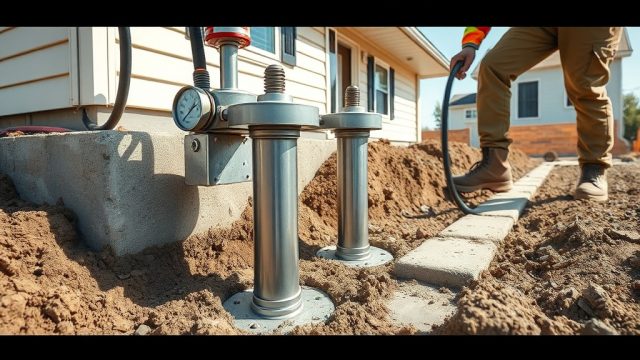
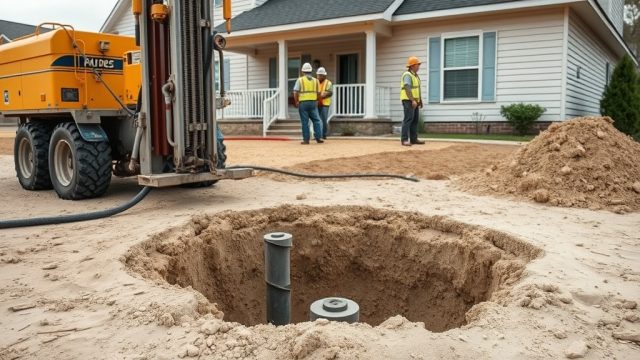
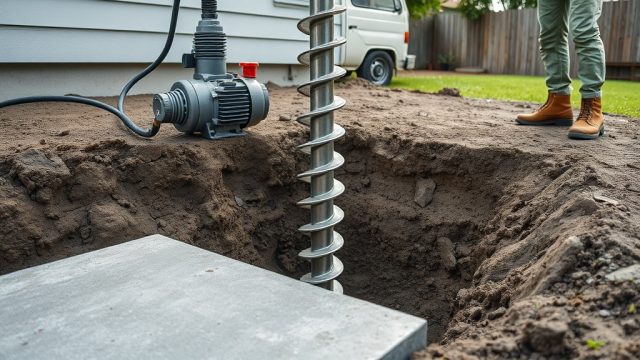
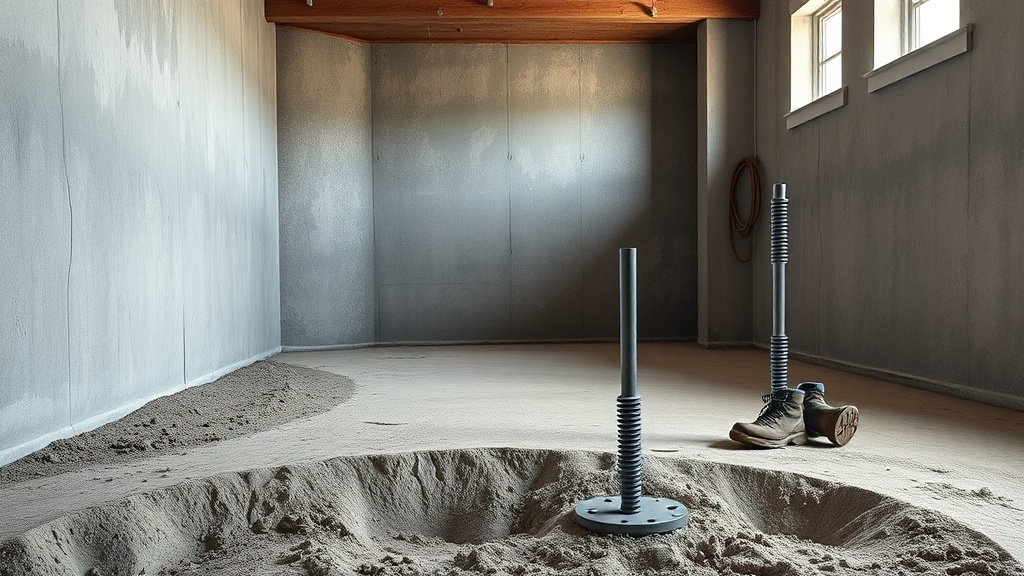
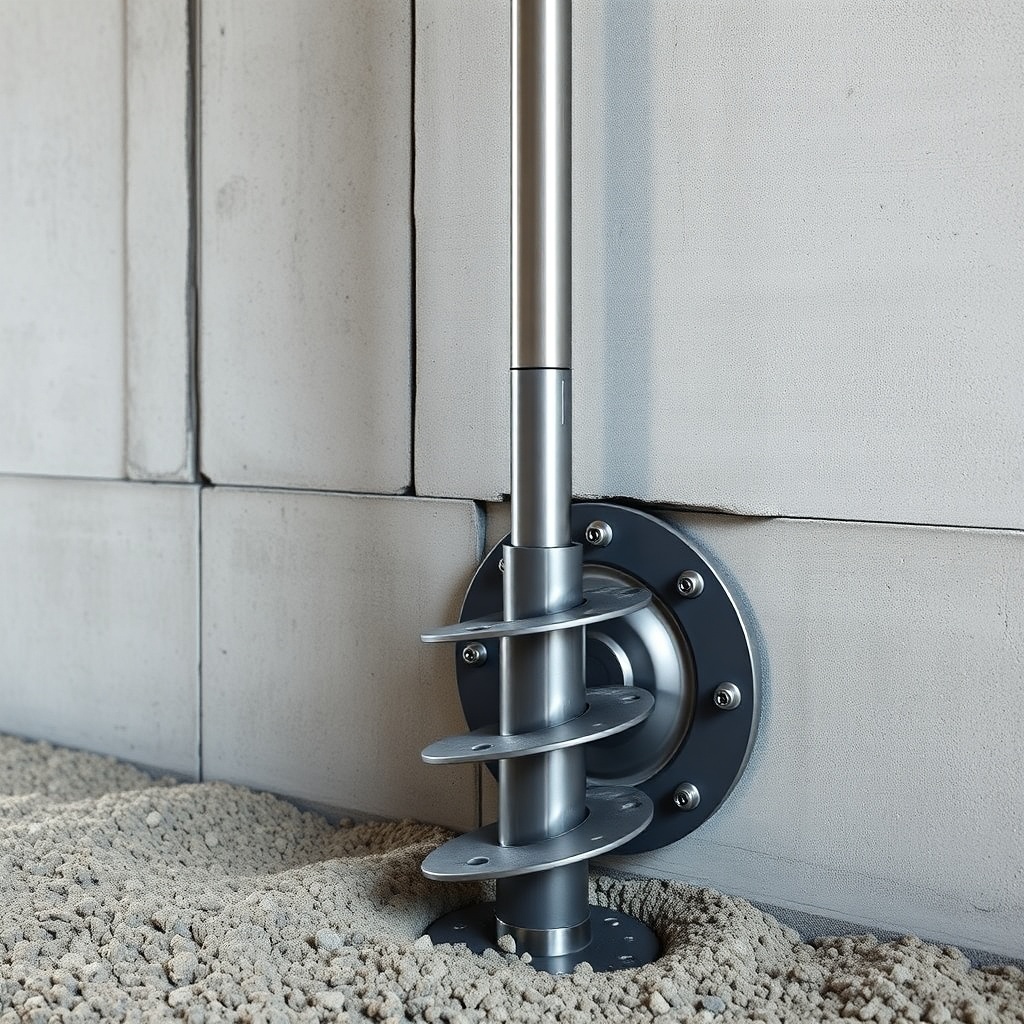
Helical piers are deep foundation repair systems designed to stabilize bowing, leaning, or cracked basement walls. Unlike traditional concrete footings that rely on the bearing capacity of shallow soil, helical piers transfer the structural load of the wall down to competent soil or bedrock, often 10 to 30 feet below the surface. For homeowners facing wall movement caused by expansive clay, poor compaction, or hydrostatic pressure, helical piers offer a proven, permanent solution. These steel shafts, equipped with helical plates that resemble auger flights, are mechanically rotated into the ground until they reach refusal, providing immediate load-bearing capacity.
When a basement wall bows inward, it signals excessive lateral pressure from the surrounding soil. Helical piers work by anchoring the wall to stable strata, preventing further movement and often reversing minor buckling over time. This system is particularly effective for bowing walls in regions with deep frost lines or high water tables, as the piers bypass problematic surface soils entirely.
Why Choose Helical Piers Over Other Methods for Bowing Walls?
Homeowners comparing repair options—such as carbon fiber straps, wall anchors, or concrete piers—often find helical piers provide superior load capacity and durability. A standard helical pier system for a bowing wall can support up to 70,000 pounds per pier in compression, with typical installations using 2 to 4 piers per wall section. The cost ranges from $1,500 to $3,500 per pier in most markets, including drilling, materials, and labor, with total wall repair projects averaging $4,000 to $12,000.
Because the helix plates are designed to function in tension or compression, helical piers excel where soil conditions vary—whether you face clay, sand, or fill. They also require minimal excavation, reducing disruption to landscaping and driveways. For deeper insight on performance differences, read our comparison: Helical Piers vs Concrete Piers: Cost and Performance Comparison for Homeowners. This guide highlights how helical piers often outlast concrete in expansive soils.
Below is a comparison table showing how helical piers stack up against other common bowing-wall solutions.
| Repair Method | Typical Load Capacity (per unit) | Installation Depth | Cost Range (per wall section) | Soil Requirements | Lifespan |
|---|---|---|---|---|---|
| Helical Piers | 50,000–70,000 lbs | 12–30 ft | $4,000–$12,000 | Competent soil or bedrock at depth | 50+ years |
| Concrete Piers | 30,000–50,000 lbs | 4–10 ft | $3,000–$8,000 | Stable soil near surface | 20–30 years |
| Wall Anchors | 20,000–40,000 lbs | N/A (tie-back) | $2,500–$6,000 | Depends on soil pull-out resistance | 15–25 years |
| Carbon Fiber Straps | 10,000–20,000 lbs | N/A (surface) | $1,500–$3,500 | None (attached to wall) | 10–20 years |
As the table shows, helical piers offer the highest load capacity and longest lifespan, making them a strong investment for permanent wall stabilization. However, installation depth and cost are higher upfront compared to less invasive methods.
How Deep Do Helical Piers Need to Be for Bowing Walls?
Depth requirements depend on soil conditions, frost line, and the weight of the structure. In general, helical piers for bowing walls are installed to a depth where the helical plates encounter bearing capacity of at least 20,000 pounds per square foot (psf), often between 12 and 30 feet. Local frost lines can influence minimum depth—in cold regions, piers must extend below the frost line to prevent frost heave from pushing the wall.
As a rule, contractors torque piers until they reach a pre-calculated “refusal” torque, which correlates to axial capacity. For more on depth specifics, see How Deep Should Helical Piers Be Installed? Expert Recommendations. This guide details how boring tests and soil logs determine exact depths for your property. In high water table areas, deeper piers may be needed to bypass clay layers that swell with moisture, which aligns with Helical Piers for Frost Heave: Effective Prevention Strategies.
Can Helical Piers Prevent Future Wall Movement?
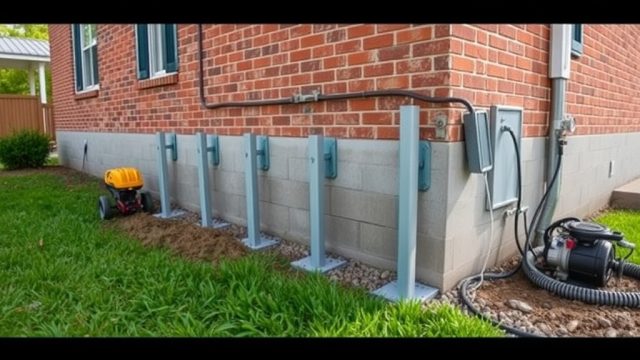
Yes—when installed correctly, helical piers create a permanent load path that resists both lateral and vertical forces. The key is proper spacing and sizing. For bowing walls, piers are typically placed at intervals of 4 to 6 feet along the affected wall and connected via a steel bracket to the foundation. This system locks the wall in place, preventing further bowing from soil expansion, water pressure, or settling.
However, long-term success also depends on managing moisture around the piers. Saturated soil can reduce frictional resistance around the helix plates. Homeowners should ensure gutters drain away from the foundation and that grading slopes away. For more on this, Helical Piers and Moisture: Managing Water Around Piers for Longevity offers practical tips. Additionally, if settlement is a concern due to poor soil, review Helical Piers for Foundation Settlement Prevention: A Complete Guide.
What About Wet Soil Conditions—Are Helical Piers Better Than Push Piers?
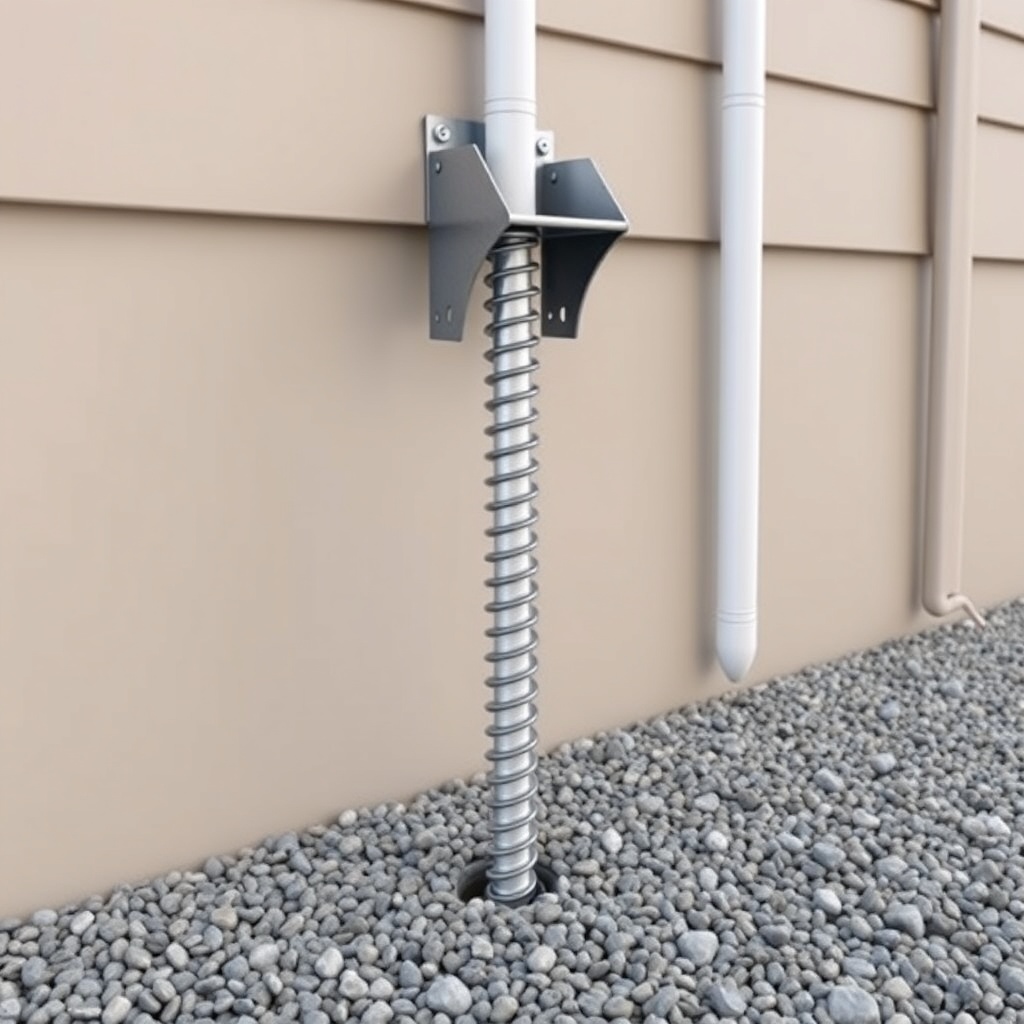
This is a common question among homeowners with bowing walls in clay or wet ground. Helical piers generally perform better in wet soil because they can be installed with minimal disturbance and provide immediate load capacity. Push piers rely on end-bearing and can experience settlement in soft, saturated conditions if not driven to a hard layer. Helical piers, with their screw-like design, develop both end-bearing and skin friction along the helix plates, making them less vulnerable to wet-weather variations.
A detailed comparison is available in Helical Piers vs Push Piers for Wet Soil Conditions: Which Performs Better?. In summary, for bowing walls where lateral force is the primary issue, helical piers offer advantages in installation speed and adaptability to shifting water tables.
What Owners Say About Helical Piers for Bowing Walls
Homeowners who have used helical piers frequently report immediate peace of mind. “Our basement wall was bowing three inches in just two years. The crew installed four piers in one day, and we noticed the crack stopped growing within weeks,” says Mike R., a homeowner in Ohio. Others mention minimal disruption: “They worked around our garden, and the only mess was the dirt we had to sweep up.” Cost feedback is mixed—while some found the initial investment high (average $7,000), they note the long warranty (often 25 years) justifies the expense. One caution: owners stress the importance of hiring a certified installer, as improper torque settings can lead to underperformance.
Frequently Asked Questions
Q1: How long does helical pier installation take for a bowing wall?
A: Typical installation takes one to two days for a single wall section, including mobilization, drilling, and bracket attachment. Larger projects may require three days.
Q2: Will helical piers completely straighten my bowing wall?
A: They can stop further movement and often reverse minor bowing (up to 1-2 inches) over 12–18 months. Severe bowing may only be stabilized, not brought back to original position.
Q3: Do helical piers require maintenance?
A: Minimal—annual inspections are recommended to check bracket corrosion or settlement. Ensure water does not pool near the pier heads.
Q4: Are helical piers covered by homeowners insurance?
A: Typically no, unless caused by a covered peril (e.g., sudden water damage). Most policies exclude gradual settlement. Check with your insurer.
Q5: What is the warranty on helical piers?
A: Most manufacturers offer 25-year to lifetime transferable warranties. Installers often add labor coverage for 5–10 years.
Q6: Can helical piers be used for walls that have already failed?
A: Yes, but in extreme cases, temporary shoring may be needed before installation. A structural engineer should assess the wall first.