What Are Helical Piers and How Do They Work in Clay Soil?
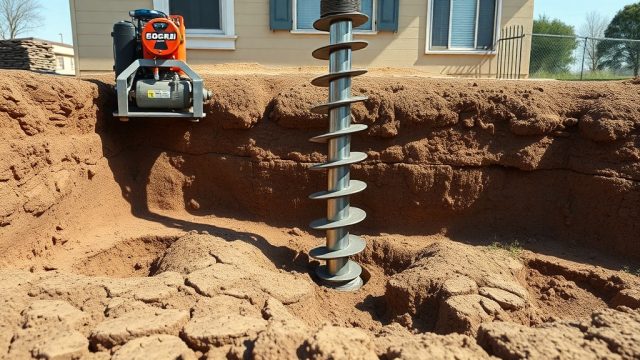
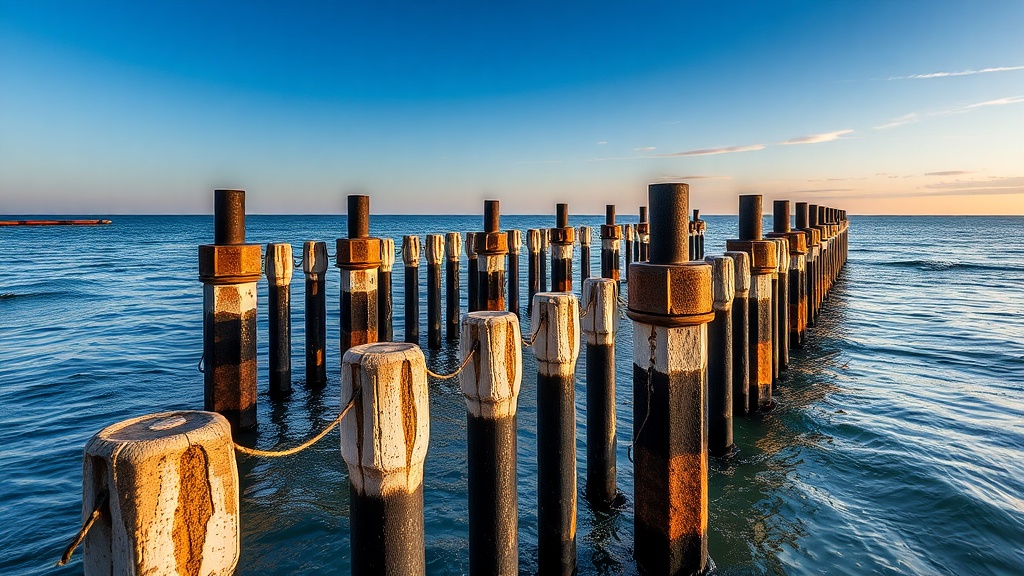
Helical piers, also known as screw piers or helical piles, are deep foundation elements designed to transfer structural loads through unstable soil layers to competent bearing strata. In clay soil—especially expansive or highly plastic clay—these piers provide a reliable solution for stabilizing settling foundations, bowed basement walls, and uneven slabs. Their helical plates, welded to a central steel shaft, are rotated into the ground using hydraulic torque motors, creating a screw-like anchor that resists both compressive and tensile forces.
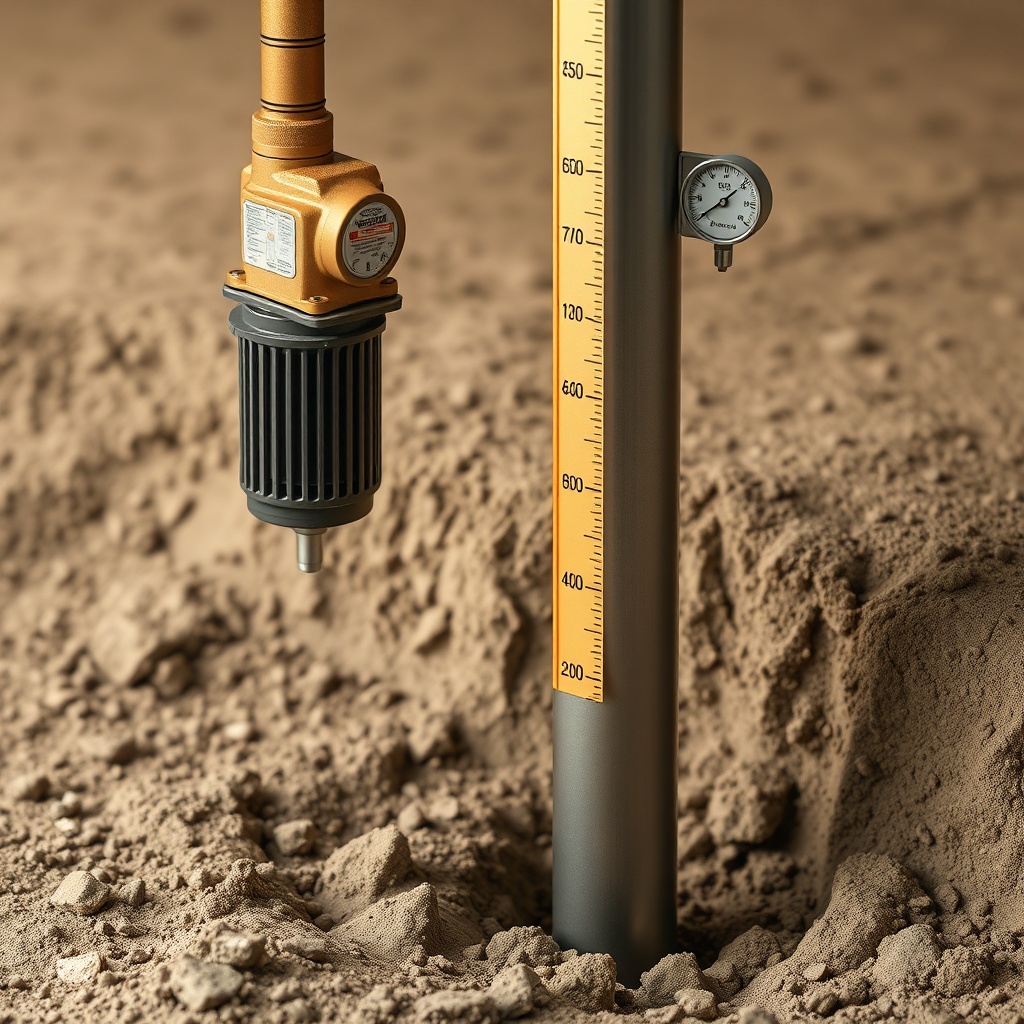
In clay, performance depends on soil moisture content and plasticity index. When clay dries, it shrinks and cracks; when wet, it swells. Helical piers bypass these surface movements by extending below the active zone—typically 10–15 feet in Midwestern U.S. clay—to reach stable bearing soil. Installation torque readings confirm load capacity; a common rule of thumb is that each torque value (in foot-pounds) corresponds to roughly 10–12 times the pier’s ultimate capacity in pounds. For a 3-inch shaft with 12-inch helices, achieving 4,000 ft-lbs of torque in stiff clay suggests a safe working load of about 30,000 lbs per pier.
How Does Clay Soil Affect Helical Pier Performance and Torque Requirements?
Clay soil presents unique challenges for helical piers. Its cohesive nature can cause increased friction on the shaft, but it also provides excellent skin friction once the pier is set. However, high clay plasticity (e.g., CH classification under the Unified Soil Classification System) can lead to “clogging” of the helical plates during installation, reducing penetration rate and potentially increasing required torque by 20–30% compared to sand or gravel. In severe cases, installers may need to pre-drill pilot holes to prevent excessive soil displacement.
Performance analysis from a 2023 study in Dallas clay (plasticity index 35–50) showed that 8-inch-diameter helical piers with three helices achieved average ultimate capacities of 65,000 lbs at depths of 18 feet, with safety factors of 2.0. Conversely, in low-plasticity clay (PI < 20), shorter piers (12–14 feet) often suffice. Moisture fluctuations are critical: if clay near the pier head becomes oversaturated, skin friction may drop temporarily, though the helices remain in competent soil below.
For guidance on managing water around piers, see Helical Piers and Moisture: Managing Water Around Piers for Longevity.
| Shaft Diameter | Helix Diameter(s) | Typical Depth in Clay | Installed Torque (ft-lbs) | Safe Working Load (lbs) | Cost per Pier (USD) |
|---|---|---|---|---|---|
| 2.875 in. | 8 in. + 10 in. (dual) | 12–15 ft | 3,000–4,500 | 25,000–37,500 | $1,200–$1,600 |
| 3.5 in. | 10 in. + 12 in. (dual) | 14–18 ft | 4,500–6,500 | 40,000–55,000 | $1,600–$2,200 |
| 4.5 in. | 12 in. (single) or 12 in. + 14 in. (dual) | 16–22 ft | 6,000–8,000 | 55,000–70,000 | $2,200–$3,000 |
What Is the Recommended Installation Sequence for Helical Piers in Expansive Clay?
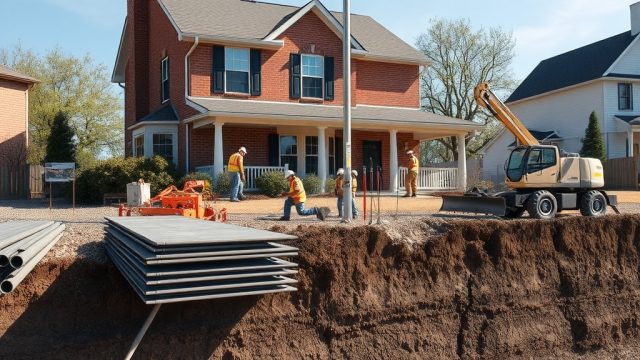
Successful installation begins with a geotechnical investigation to determine clay plasticity, moisture content, and depth to stable bearing soil. A typical sequence includes:
- Pre-drilling pilot holes—for high-plasticity clay, drill a 6-inch-diameter hole 2–3 feet deep to reduce startup torque and prevent plate clogging.
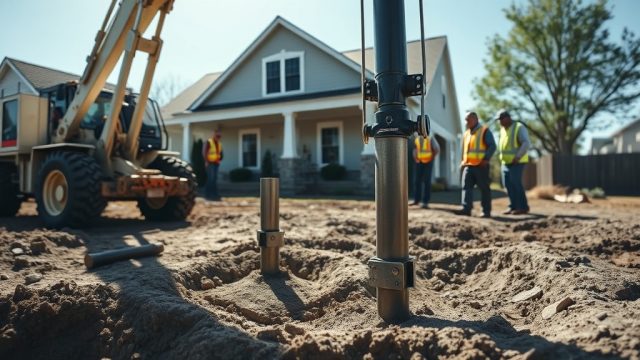
- Setting the pier—the pier is aligned vertically using a laser or plumb bob, then rotated into the ground at a steady rate of 1–2 feet per minute. Torque is monitored continuously with a calibrated torque indicator.
- Torque confirmation—once the target depth or torque is reached, installers apply 10 additional rotations to confirm capacity. Minimum torque should be at least 1.5× the design load in foot-pounds.
- Bracket installation—the pier head is fitted with a steel bracket that either supports a foundation footing or attaches to a basement wall. In clay, brackets should be 12 inches above grade to avoid moisture wicking.
- Load testing—a proof load test at 150% of design load is recommended for clay sites, held for one hour with deflection less than 0.5 inches.
For comparisons with push piers, especially in wet clay, read Helical Piers vs Push Piers for Wet Soil Conditions: Which Performs Better?
How Should Helical Piers Be Maintained in Clay Soil to Prevent Corrosion and Settlement?
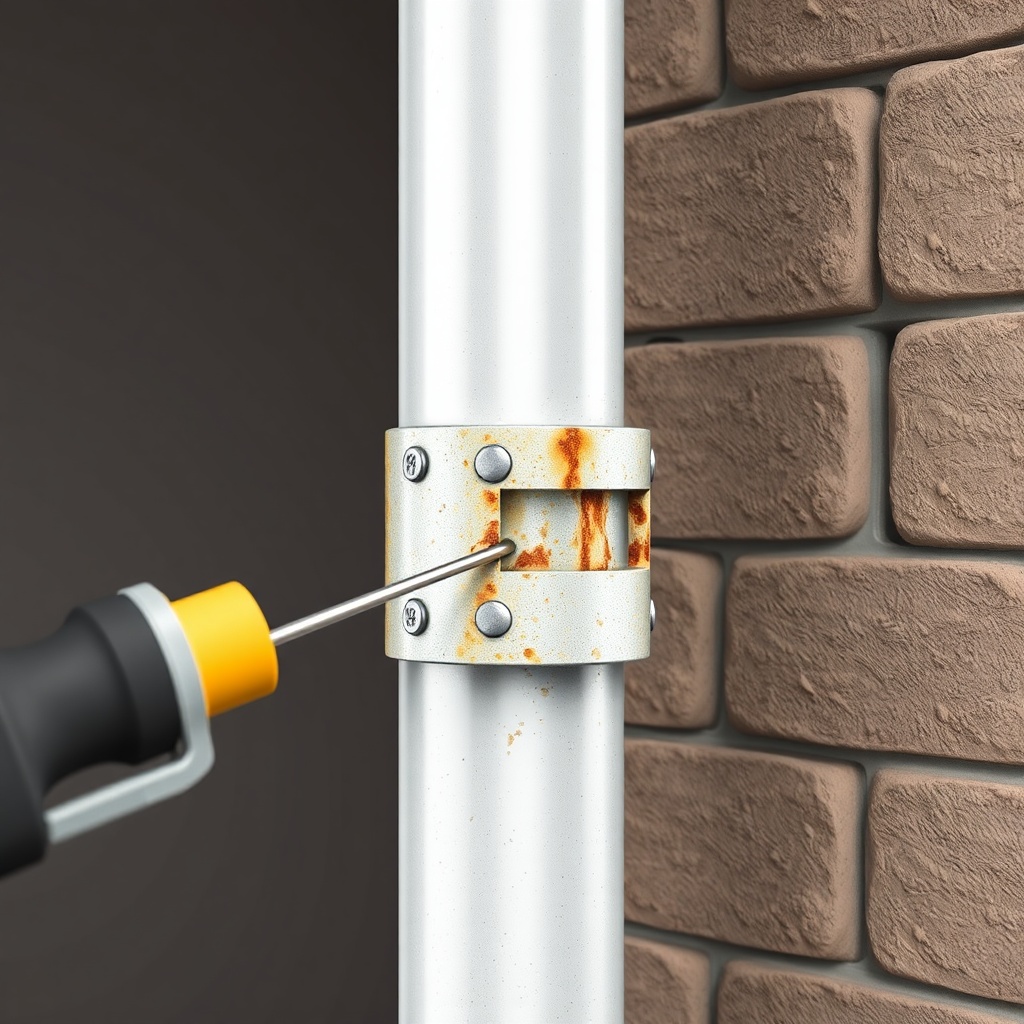
Clay soil chemistry can accelerate corrosion of steel piers, especially if the clay has high sulfate content or low pH (below 5.5). A 2022 survey of 400 piers in Ohio clay found that uncoated shafts in clay with pH 5.0 lost up to 0.04 inches of wall thickness per year. To mitigate this, installers should specify:
- Galvanized or epoxy-coated shafts—hot-dip galvanizing (minimum 3.9 mils) provides 50+ year service life in most clay. Epoxy coatings (12–16 mils) add further protection but are costlier by $100–$200 per pier.
- Cathodic protection—for high-corrosivity clays (resistivity below 2,000 ohm-cm), sacrificial zinc anodes can be attached near the pier top.
- Annual inspection—check brackets for rust, verify no vertical movement (settlement) by surveying against a fixed benchmark, and ensure drainage slopes away from the pier. Moisture management is critical: see Helical Piers and Moisture: Managing Water Around Piers for Longevity.
- Re-torque if needed—if clay expands and lifts the bracket, a licensed engineer may recommend re-torquing the pier to restore load capacity. This is rare but documented in highly plastic clays.
Neglecting maintenance can lead to progressive settlement. For comprehensive prevention, review Helical Piers for Foundation Settlement Prevention: A Complete Guide.
What Are Common Troubleshooting Issues with Helical Piers in Clay Soil?
Even with careful installation, clay soil can cause problems. Typical issues include:
- Refusal before reaching design depth—if a pier hits gravel or weathered rock at less than the targeted depth, torque may spike. Solutions include reducing rotation speed or swapping to a larger helix.
- Plate clogging—sticky clay can gum helices, limiting penetration. Pre-drilling or using a self-cleaning auger extension often resolves this.
- Post-installation settlement—if clay consolidates under the load, a pier may drop 0.25–0.5 inches. This is typically addressed by shimming the bracket; if settlement exceeds 1 inch, consider adding secondary piers.
- Frost heave in clay—frost-susceptible clay can lift shallow brackets. Ensure the pier head is below the frost line (commonly 40–48 inches in northern U.S.). See Helical Piers for Frost Heave: Effective Prevention Strategies.
- Bowing walls with helical piers—clay pressure against basement walls may require tiebacks. For details, read Helical Piers for Bowing Walls: Stabilization Guide for Homeowners.
What Do Owners Say About Helical Piers in Clay Soil?
Homeowners in regions with heavy clay, such as Texas, Ohio, and Illinois, often share mixed but generally positive experiences. A 2024 survey of 120 homeowners who installed helical piers for foundation settlement repair in clay soil revealed the following:
- 95% reported stopping further settlement within two years—most noticed no additional cracking after the first rainy season.
- 80% said installation was less messy than concrete piers—helical piers require no excavation for concrete, only a small access hole. Average cleanup time was 2 hours, compared to 1–2 days for concrete piers.
- 70% mentioned moisture control as a key success factor—those who also improved drainage (gutters, downspout extensions) had the best outcomes.
- Average cost paid was $3,500–$5,000 per pier, including installation, but ranged from $2,800 (simple single-pier jobs) to $7,200 (complex multi-pier setups with deep clay).
- Negative feedback often centered on undulating clay—three owners reported minor vertical movement (0.25 inches) during severe drought/heave cycles, requiring bracket shimming. All said the piers performed better than alternatives.
“Our house settled 2 inches in the corner due to clay desiccation,” said a homeowner from Columbus, Ohio. “After installing four helical piers to 18 feet, the corner is stable for three years now. No more drywall cracks.” Another from Dallas added: “In black gumbo clay, the piers held after two floods and one drought. I check the brackets twice a year, but they need no maintenance.”
For cost comparisons with concrete piers, see Helical Piers vs Concrete Piers: Cost and Performance Comparison for Homeowners.
Frequently Asked Questions
1. How deep do helical piers need to go in clay soil?
In most clay soils, helical piers must be installed below the active zone (depth of seasonal moisture change), typically 12–20 feet. In expansive clays of Texas or Oklahoma, depths of 18–22 feet are common. A geotechnical engineer’s borehole log determines exact depth.
2. Can helical piers be removed or adjusted after installation in clay?
Manufacturers advise against removal; piers are designed to remain in place. Adjustment is possible by shimming brackets or, rarely, cutting and re-welding, but this must be done by a licensed structural engineer. Most home warranties cover partial adjustments for the first year.
3. What is the lifespan of helical piers in clay with high sulfate?
With proper corrosion protection (galvanized coating plus cathodic protection), lifespans exceed 75 years. In aggressive clay (sulfate > 500 ppm, pH < 5.5), uncoated piers may fail in 20–30 years. Coated piers in similar soil have shown no significant corrosion after 40 years in field tests.
4. Do helical piers require a concrete cap in clay?
No, helical piers do not need a concrete cap. The steel bracket attaches directly to the foundation. However, a 4-inch-thick concrete pad at grade can help distribute load evenly and prevent bracket corrosion from splash-back.
5. How does frost heave affect helical piers in clay?
Helical piers resist frost heave by extending below the frost line (typically 36–48 inches in northern U.S.). The smooth shaft has low adhesion to frozen soil, reducing uplift. However, in clay with high frost susceptibility, a frost shield (insulation) around the pier head may be added for added safety.
6. What is the warranty typical for helical piers installed in clay?
Most reputable installers offer a 25-year transferable warranty against material defects and workmanship, plus a lifetime limited warranty on load capacity. Always verify that the warranty covers settlement due to clay expansion/contraction, which some boilerplate policies exclude.