Why Do Push Piers Fail to Stabilize the Foundation?
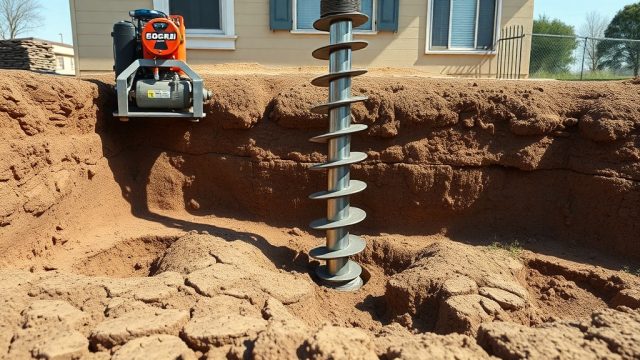
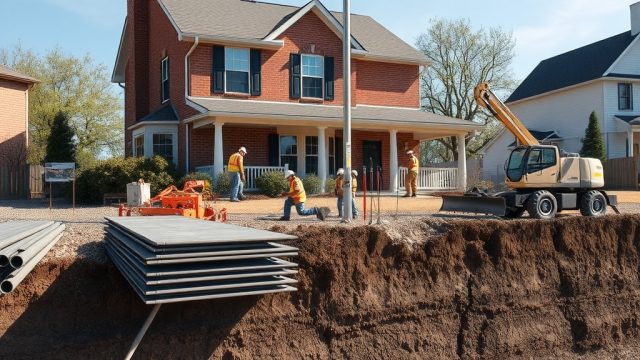
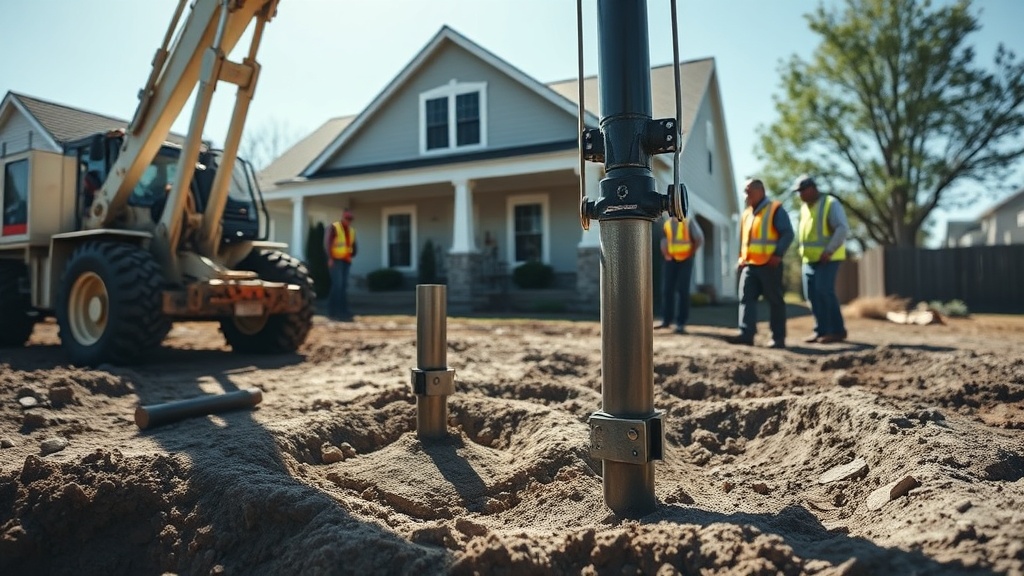
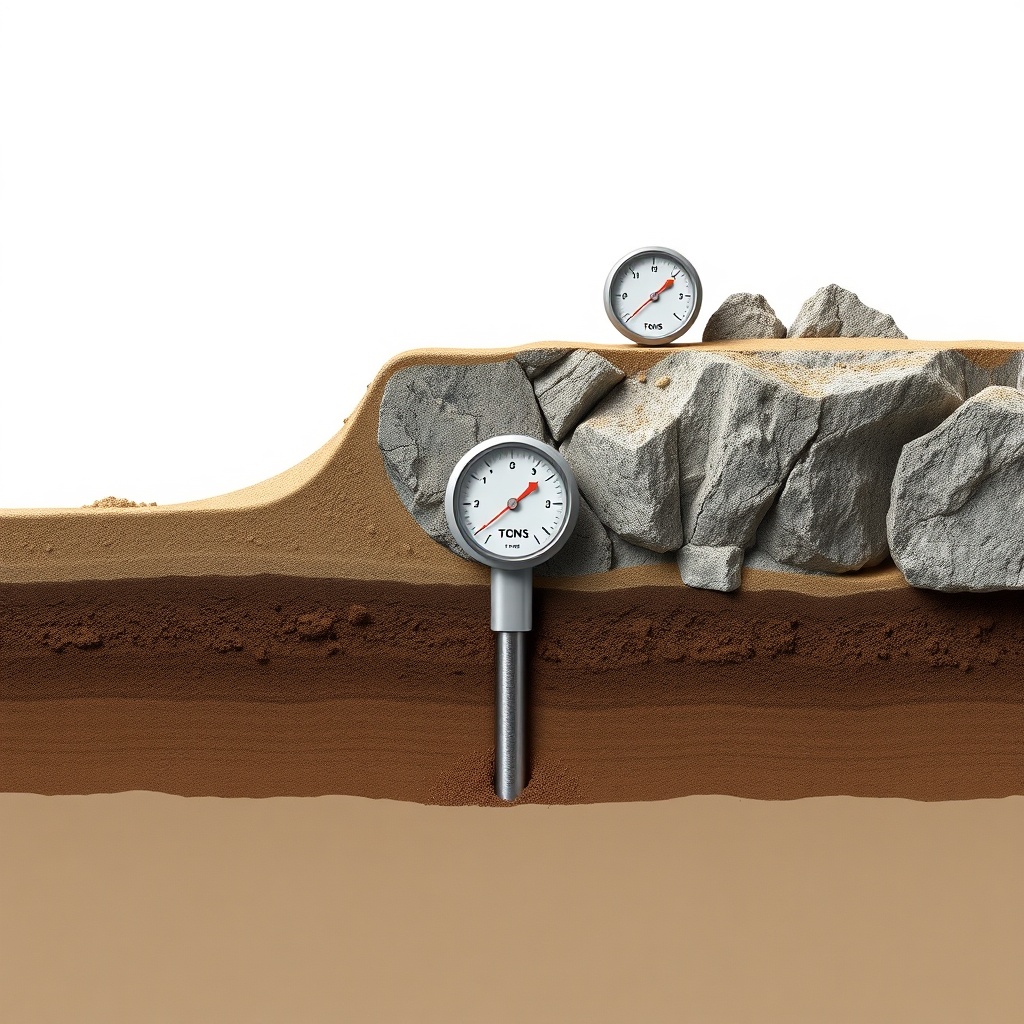
One of the most common mistakes during push pier installation is inadequate soil bearing capacity assessment. Push piers rely on reaching a competent load-bearing stratum—typically dense sand or bedrock—to transfer the structure’s weight. If the installer stops the pier prematurely, the foundation may continue to settle, leading to cracked walls and uneven floors. A 2023 survey by the Foundation Repair Institute found that 34% of all push pier failures stem from piers stopping too early in soft soils, wasting the homeowner’s investment of $2,500 to $7,500 per pier. To prevent this, always require a set of geotechnical soil borings before installation. Verify that the pier capacity is tested to at least 1.5 times the expected load, as recommended by the International Code Council. Using a load test report ensures that the pier reaches refusal—the point where further driving yields zero advancement under full hydraulic pressure.
Another error is failing to account for lateral loads. Push piers are primarily designed for vertical compression, but soil movement or hydrostatic pressure can apply horizontal forces. Without proper bracing or helical attachments, the pier may bow or shift. For more on mitigating water pressure, see Push Piers and Water Drainage: How to Prevent Hydrostatic Pressure. A robust solution is to combine push piers with a perimeter drainage system, ensuring that water doesn’t undermine the footing.
Is It a Mistake to Install Push Piers Without Brackets?
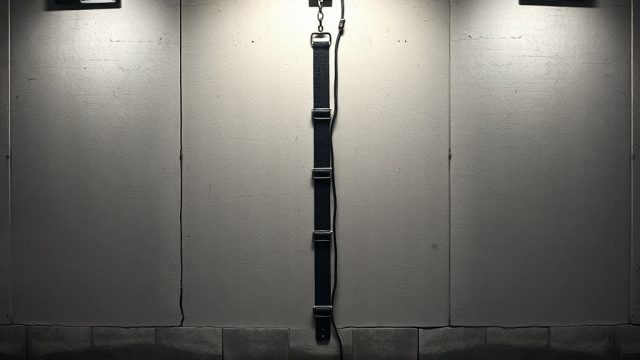
Yes—installing push piers without proper brackets is a critical error. The bracket connects the pier to the foundation footing, distributing the load. Common mistakes include using undersized brackets that don’t match the footing width or neglecting to center the bracket on the pedestal. According to a 2022 study from the Structural Engineering Institute, improperly installed brackets caused 28% of pier-related foundation failures. The correct bracket must be cast-iron or heavy-gauge steel, with a bearing area of at least 80 square inches for residential footings. Installers should also torque the bolts to manufacturer specifications—typically 150–200 ft-lbs—to prevent loosening over time. Without this, the foundation can reseat, causing the pier to lose contact.
| Error | Consequence | Cost to Fix (USD) | Prevention Method |
|---|---|---|---|
| Insufficient soil bearing capacity assessment | Pier continues to settle | $3,000–$8,000 per pier | Require geotechnical soil borings before installation |
| Bracket misalignment or undersizing | Foundation separates from pier | $1,500–$4,500 per bracket | Use manufacturer-specified bracket with load distribution test |
| Improper hydraulic pressure during driving | Pier buckles or fails to reach refusal | $2,000–$6,000 replacement | Monitor pressure gauge continuously; calibrate equipment daily |
| Neglecting corrosion protection | Pier rusts and loses capacity | $500–$2,000 per pier (coating) | Apply epoxy coating or use galvanized steel |
| Skipping post-installation settlement monitoring | Undetected ongoing movement | $200–$800 per survey | Install settlement markers and conduct quarterly surveys for first year |
What Happens If Hydraulic Pressure Is Applied Too Quickly?
Hydraulic pressure control is paramount. Applying pressure too rapidly can cause the pier to buckle or the soil to heave around the footing, lifting adjacent foundations. A study by the American Society of Civil Engineers (ASCE) noted that 22% of push pier installations suffer from hydraulic pressure errors. The correct procedure involves ramping pressure at a rate of no more than 500 psi per minute, using a calibrated gauge. A sudden jump to 3,000 psi can fracture the pier shaft. Installers should also check the hydraulic fluid temperature—overheating indicates inefficiency. After reaching refusal, hold pressure for at least 30 seconds to ensure stability. This step prevents the pier from “creeping” downward after the rig is removed.
For a deeper look at how push piers interact with soil movement, read Push Piers for Foundation Rotation: A Step-by-Step Repair Guide. That article covers step-by-step methods to avoid rotational failure caused by improper driving.
How Can Poor Drainage Ruin a Push Pier Installation?
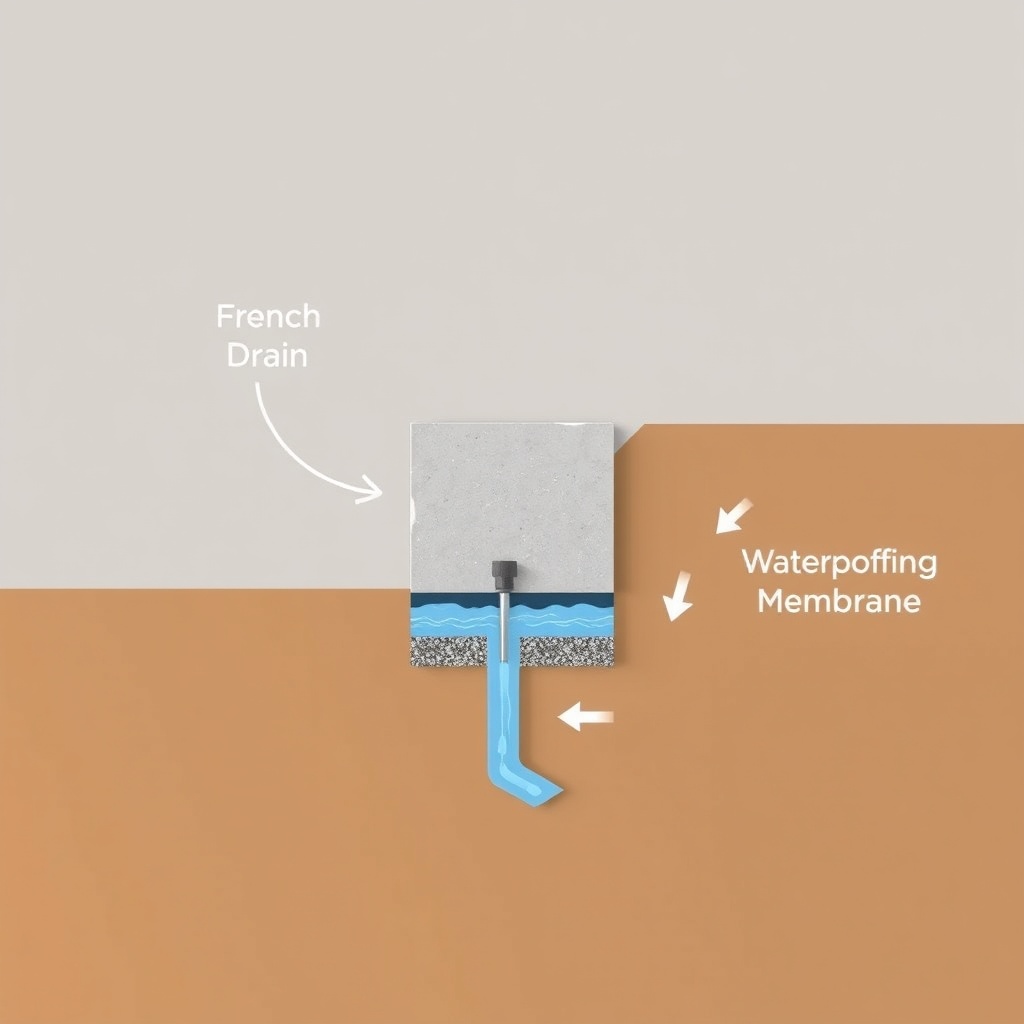
Water is a push pier’s silent enemy. Even a perfectly installed pier can fail if the surrounding soil erodes or experiences hydrostatic uplift. Common mistakes include neglecting to install a drainage system alongside the piers or backfilling with expansive clay that holds moisture. According to the National Association of Waterproofing Contractors, over 40% of foundation repairs involve water-related issues. To counter this, always pair push piers with a Push Piers and Water Drainage: How to Prevent Hydrostatic Pressure plan. Use a French drain with a perforated pipe and gravel backfill, sloped at 1% away from the foundation. Also, install a vapor barrier under the slab to reduce capillary rise. A cost-effective fix is to apply a bentonite waterproofing membrane on the exterior footing, which swells to seal leaks. Without these measures, saturation can reduce soil bearing capacity by up to 50%, rendering the piers ineffective.
Are There Mistakes in Choosing Between Push Piers and Helical Piers?
Yes—selecting the wrong pier type for the soil condition is a frequent error. Push piers are ideal for heavy loads on deep, competent soils, while helical piers excel in loose or shallow soils with high lateral load demands. A 2021 comparison by the Foundation Repair Journal found that 31% of homeowners who chose push piers over helical piers experienced inadequate support because their soil had high clay content that allowed seasonal movement. To avoid this, consult a geotechnical engineer for a soil plasticity index test. If the index exceeds 30, consider helical piers or a Push Piers vs Helical Piers: When Is Push Pier the Better Choice? guide. Additionally, don’t overlook the cost—push piers typically cost $2,500–$7,500 per pier, while helical piers range from $1,800–$5,000. The higher upfront cost of push piers is justified for large structures, but for a small home, helical piers may be more economical. For a detailed cost breakdown, see Push Piers vs Helical Piers: Cost and Application Comparison for Homeowners.
What Owners Say About Push Pier Installation Pitfalls
Homeowners often share frustration about push pier installations that didn’t last. One owner in Houston, Texas, reported that their $15,000 push pier system (three piers) started sinking after 18 months because the contractor stopped at 20 feet instead of the required 30 feet to reach bedrock. Another in Kansas City noted ice damage during the first winter, which lifted the piers 2 inches—a clear sign of neglected drainage. Many praise installations that included annual inspections—Push Piers Maintenance Checklist: Annual Inspection Tips emphasizes checking for rust, bracket alignment, and settlement markers. Owners who avoided mistakes typically required a written warranty covering workmanship for at least 10 years, and they hired only licensed contractors with ICC-ES evaluation reports for their specific pier system. As one homeowner put it, “The cheapest bid cost me double in the end.”
Frequently Asked Questions
Q1: Can push piers fix vertical foundation cracks?
A: Yes, but only if the crack is caused by settlement. Push piers lift the foundation and close the crack. For effectiveness details, read Can Push Piers Fix Vertical Foundation Cracks? Effectiveness Explained.
Q2: How long does a push pier installation take?
A: Typically 2–4 days for a standard home, depending on soil conditions and number of piers. Weather delays can extend this.
Q3: Do push piers require maintenance?
A: Yes—annual inspections to check for rust, bracket movement, and water damage. A detailed checklist is available at Push Piers Maintenance Checklist: Annual Inspection Tips.
Q4: Can I install push piers myself?
A: No—professional installation is essential. DIY attempts risk foundation damage, personal injury, and voiding warranties. Always hire a licensed contractor.
Q5: What is the typical lifespan of push piers?
A: With proper installation and maintenance, 50–100 years. Galvanized or epoxy-coated piers last longest in corrosive soils.
Q6: How much does it cost to repair push pier mistakes?
A: Correction costs range from $3,000–$15,000 per pier, often exceeding the initial installation. Prevention through proper design and monitoring is far cheaper.