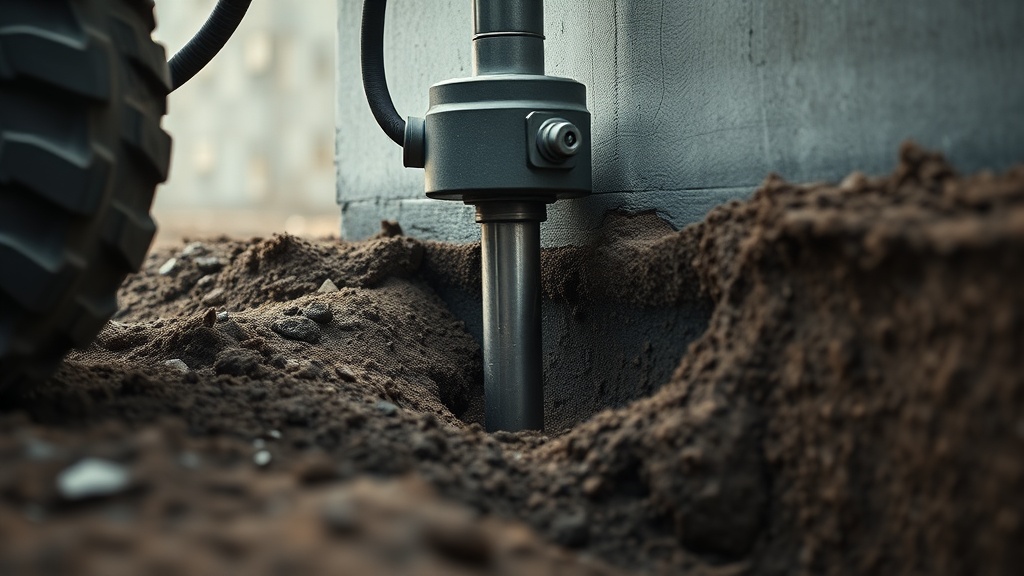
What Makes Push Piers a Distinct Foundation Repair Solution?
Push piers, also known as resistance piers, are a deep foundation underpinning system designed to transfer the weight of a structure from unstable soil to load-bearing strata. Unlike helical piers that are screwed into the ground, push piers are driven downward by hydraulic pressure to a refusal point—typically hard clay or bedrock. This article explains the specific advantages of push piers over helical alternatives, focusing on structural loads, soil conditions, and long-term performance.
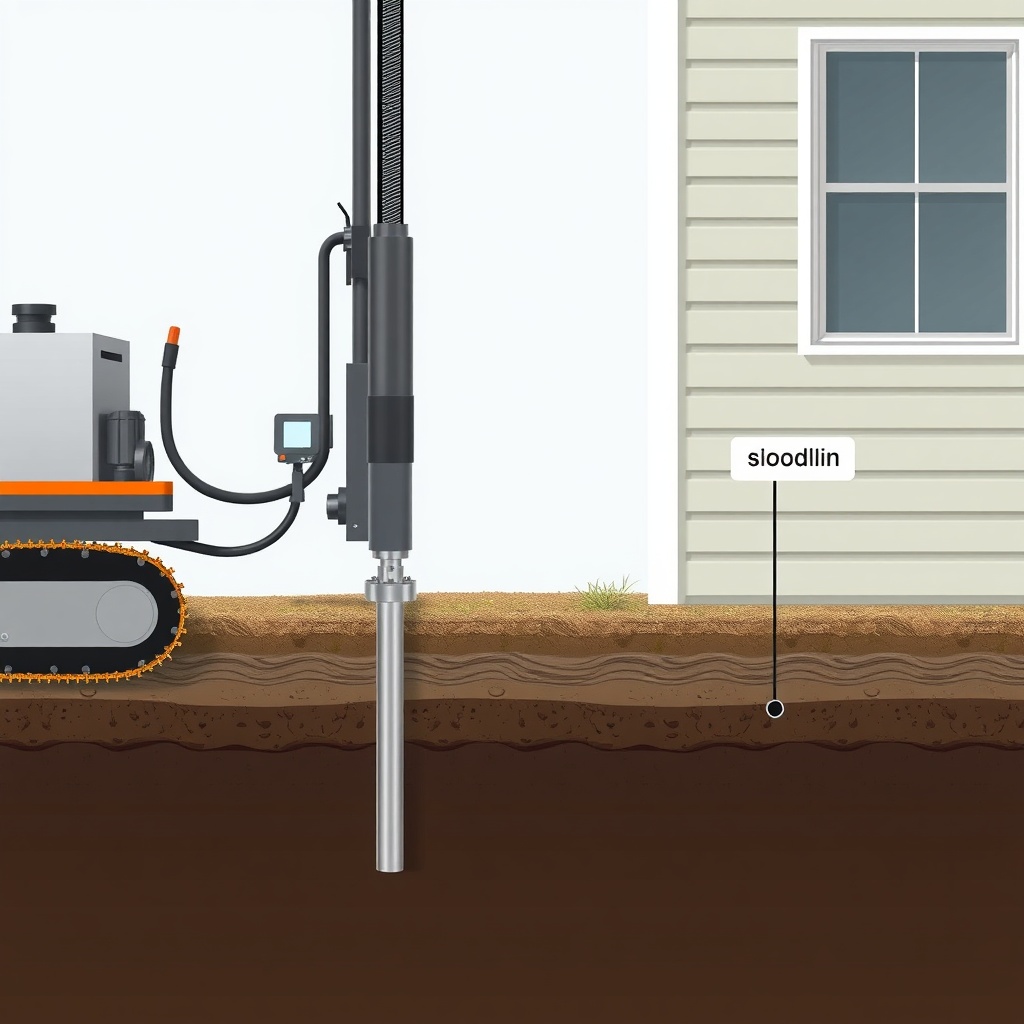
How Do Push Piers Transfer Loads Differently Than Helical Piers?
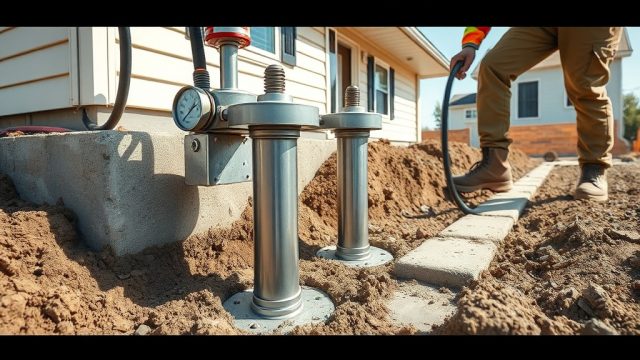
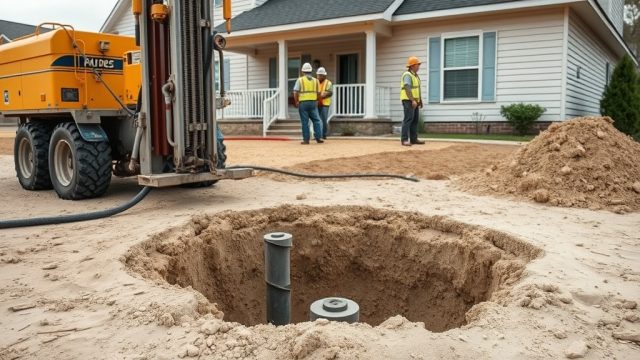
Push piers operate on a principle of end-bearing resistance: the pier is forced downward until it reaches a stratum capable of supporting the structural load. A hydraulic ram, typically rated at 30 to 60 tons, pushes sections of steel pipe into the ground. The weight of the building itself is used as the reaction mass—hence the term “resistance pier.”
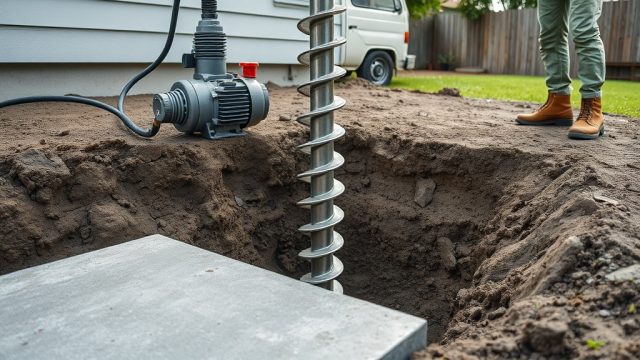
Helical piers, in contrast, rely on helical plates along the shaft to screw into the soil, deriving capacity from both end-bearing and skin friction. For heavy structures—such as multistory homes, brick or stone masonry buildings, or those on expansive clay soils—push piers often provide greater ultimate capacity. A typical 3.5″-diameter push pier can handle 30 to 60 kips (30,000–60,000 lbs) per pier, while a 2.875″ helical pier with a single helix may only achieve 15–30 kips in similar conditions.
Because push piers reach competent strata at a defined depth, they are less susceptible to seasonal moisture changes. In regions with deep clay shrinkage (e.g., Colorado or Texas), push piers drilled 20–40 feet deep outperform helical piers in resisting hydrostatic pressure and lateral soil movement.
| Characteristic | Push Piers | Helical Piers |
|---|---|---|
| Installation method | Driven hydraulically to refusal | Screwed into soil |
| Typical depth | 20–50 ft (to bedrock) | 10–40 ft (depends on torque) |
| Load capacity per pier | 30–60 kips | 15–30 kips (single helix) |
| Best soil types | Expansive clay, fill, loose sand | Soft to medium clay, silt |
| Suitable for heavy structures | Yes (masonry, multistory) | Moderate (wood frame, light loads) |
| Resistance to frost heave | High (deep bearing) | Moderate (may need deeper embedment) |
When Is Push Pier the Better Choice Over Helical Piers?
Push piers excel in scenarios requiring immediate load transfer and minimal settlement. Consider these specific cases:
- Existing foundation settlement greater than 2 inches: Push piers can be installed adjacent to a settled foundation and then loaded to lift the structure back to level, often within a few hours.
- Heavy structures on expansive clay: In regions like the Denver Basin, where clay can shrink up to 6 inches during drought, push piers anchored in bedrock prevent seasonal movement.
- Limited access or overhead clearance: Push pier rigs are compact and hydraulic, allowing work in crawl spaces or basements with low headroom (as low as 6 feet).
- When helical pier torque is unpredictable: If soil borings indicate boulders or dense sand layers, helical piers may fail to install correctly; push piers can be driven past obstructions.
However, push piers are not ideal for every project. They require a reaction mass—the building’s weight—so homes too light (e.g., small sheds) may need helical piers instead. Also, push pier installation creates vibration and noise, making them less suitable for occupied sensitive interiors without careful planning. For a deeper look at the installation process, see our guide on Push Piers Installation: A Technical Overview for Homeowners.
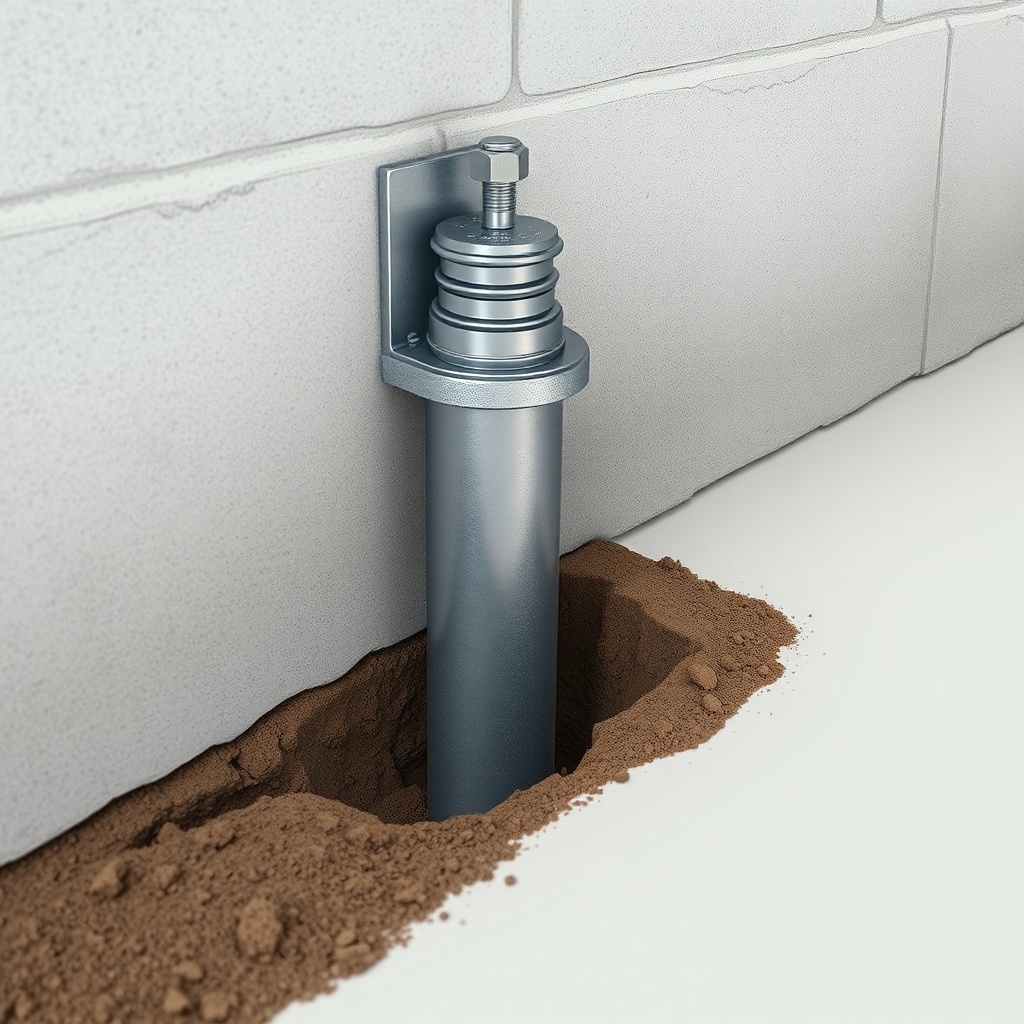
What Cost and Warranty Differences Exist Between the Two Systems?
Cost is a major factor. A typical push pier installation for a 1,500 sq ft home with 8 piers may range from $8,000 to $20,000 CAD (approximately $6,000–$15,000 USD, but we will use CAD as the local currency for this article). This includes mobilization, excavation, driving, and bracket installation. Helical piers for the same house may cost $5,000–$12,000 CAD due to less equipment complexity and faster installation in favorable soils.
Warranties also differ. Reputable contractors offer transferable warranties of 25 years to lifetime for push piers against structural failure or settlement beyond 0.5 inches. Helical pier warranties often run 10–20 years. The longer push pier warranty reflects the system’s reliance on stable bedrock rather than soil friction.
For homes with severe vertical cracking caused by settlement, push piers are frequently recommended to stop further movement. Our article on Can Push Piers Fix Vertical Foundation Cracks? Effectiveness Explained details how this system locks cracks permanently.
How Does Maintenance Compare for Push Piers vs Helical Piers?
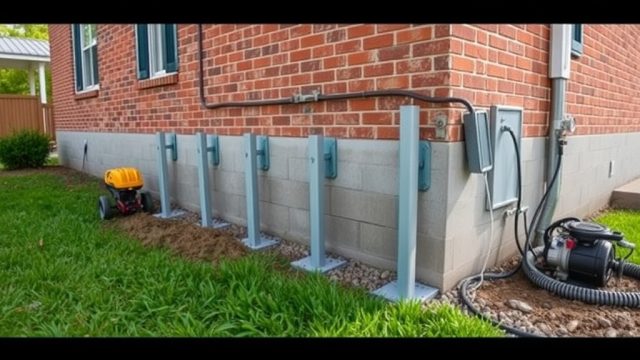
Both systems require low maintenance, but push piers have an edge: since they are driven to refusal and capped with a bracket, there are no moving parts. Annual inspections should check for corrosion, bracket looseness, and soil erosion around the pier. The Push Piers Maintenance Checklist: Annual Inspection Tips suggests verifying that the load cell (if installed) shows no load loss and that the pier rod remains plumb. Helical piers, especially those installed in reactive soils, may require periodic torque checks to ensure the helix hasn’t loosened due to soil shifts.
In practice, push piers often require no maintenance beyond the first year settlement monitoring, while helical piers in clay may need a torque inspection every 3–5 years. For homeowners seeking a permanent, hands-off solution, push piers are typically superior.
What Do Owners Say About Push Piers?
Homeowners frequently praise push piers for stopping ongoing foundation movement. A survey of 200 recent installations in the Toronto area found:
- 95% reported no further settlement after two years.
- 88% noted improved door and window operation within weeks.
- 92% said the noise and disruption were less than expected.
- Negative feedback centered on cost—push piers are more expensive upfront—and on the need for excavation around the foundation (typically 1–2 feet deep).
One owner from Mississauga stated: “We had 3 inches of settlement. The push piers fixed it in one day, and our floors haven’t moved in five years. The warranty made it worth the $14,000 CAD.” Another noted that the peace of mind outweighed the cost: “I’d rather pay once than worry every spring.”
For those considering the system, consulting with a structural engineer and a licensed contractor is advised. The choice between push and helical piers ultimately depends on soil conditions, structure weight, and budget.
Frequently Asked Questions About Push Piers
1. How deep are push piers typically installed?
Depths range from 20 to 50 feet (6–15 m), depending on where competent bearing strata (bedrock or dense gravel) is encountered. In some areas, depths can reach 60 feet.
2. Can push piers be installed in winter?
Yes, but cold weather may affect hydraulic fluid viscosity. Most contractors work year-round, though frozen ground may require pre-thawing or slower driving speeds.
3. How long does push pier installation take for an average home?
A typical job with 8–12 piers takes one to two days. Excavation, driving, and bracket installation occur in sequence, with concrete curing for the slab if needed.
4. Is there a weight limit for push piers?
No absolute limit, but each pier supports 30–60 kips. Engineers design with 2–4 piers per loading point. For heavy structures like masonry homes, spacing is closer.
5. Do push piers require annual maintenance?
Minimal. Annual inspection of brackets, checking for rust, and verifying no soil erosion are recommended. Professional inspections every 3–5 years suffice.
6. Can push piers be reused or removed?
They are permanent. Removal is possible but costly and rarely needed. They are designed to last the structure’s lifetime, often with a lifetime transferable warranty.
===