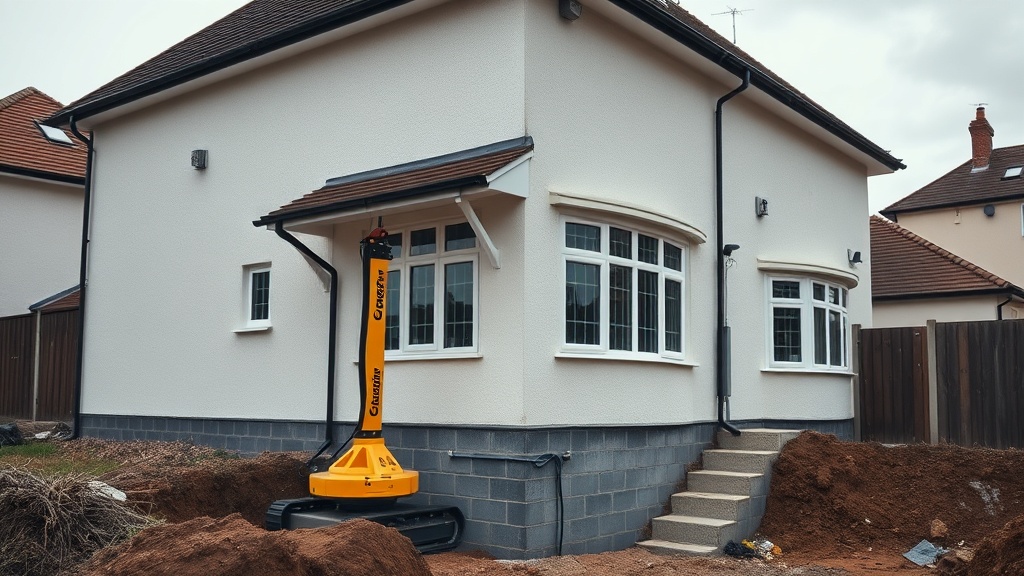
Understanding Push Piers for Foundation Rotation
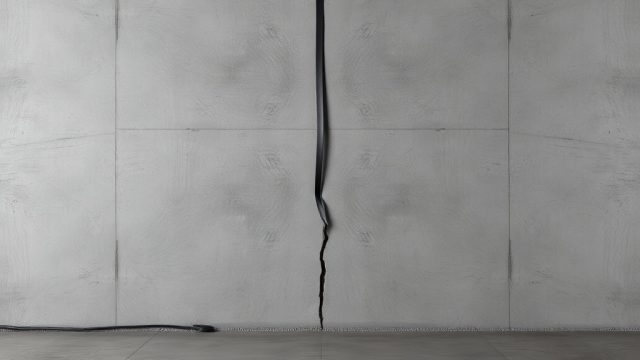
When your home’s foundation begins to rotate—often recognizable by uneven floors or tilted walls—push piers offer a proven solution for stabilization and leveling. This guide walks through the common questions homeowners have about push piers for rotation repair, from how they work to long-term maintenance, tailored for the English market with costs in GBP (£).
How Do Push Piers Fix Foundation Rotation?
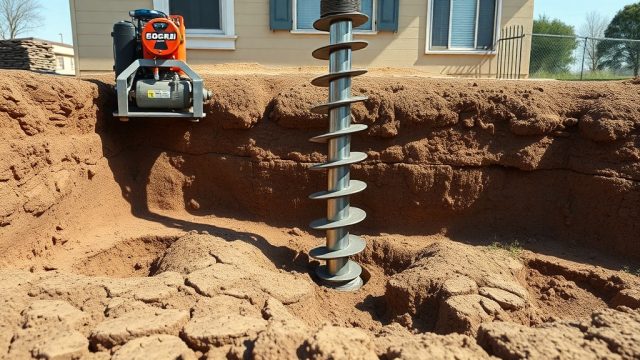
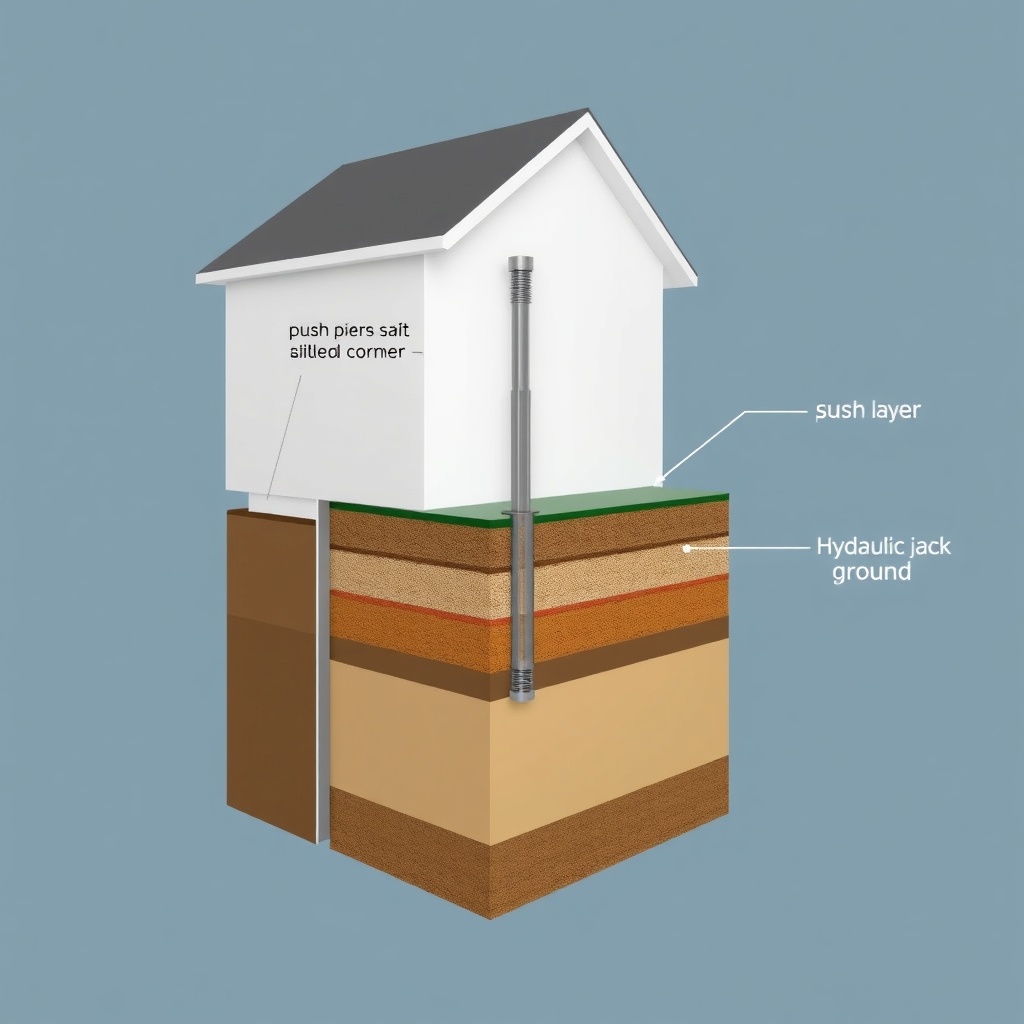
Foundation rotation occurs when soil movement causes one side of the foundation to sink or tilt, often due to expansive clay, poor drainage, or loose fill. Push piers work by transferring the structural load to stable soil layers deep underground. A steel pier is hydraulically pushed into the ground until it reaches bedrock or load-bearing strata, then brackets attach to the foundation to lift and rotate it back to level. This method is particularly effective for rotation because it provides both vertical support and controlled lifting, counteracting the uneven settlement that causes rotational movement.
For more technical details on the process, see Push Piers Installation: A Technical Overview for Homeowners.
When Is a Push Pier the Right Choice for Rotation?
Push piers are best suited for foundations that have rotated due to deep soil issues, such as clay shrinkage or underground voids. They are heavy-duty, capable of supporting up to 80 tonnes per pier in some cases, making them ideal for larger homes or those with masonry walls. However, they require significant access for hydraulic equipment, so they’re less practical for confined spaces. For lighter structures or sandy soils, Push Piers vs Helical Piers: When Is Push Pier the Better Choice? provides a comparison. In general, if your rotation exceeds 2 inches (50 mm) or involves a corner sink hole, push piers are often the recommended solution.
- Deep soil movement – Push piers reach stable strata (typically 10–40 feet depth).
- Heavy structures – Brick, block, or poured concrete walls benefit from high capacity.
- Clear access – Requires a 4-foot wide path for installation equipment.
What Is the Step-by-Step Process for Push Pier Installation to Correct Rotation?
Here is a typical process used by contractors in the UK for foundation rotation repair:
- Inspection and soil assessment – A structural engineer evaluates rotation severity and soil conditions.
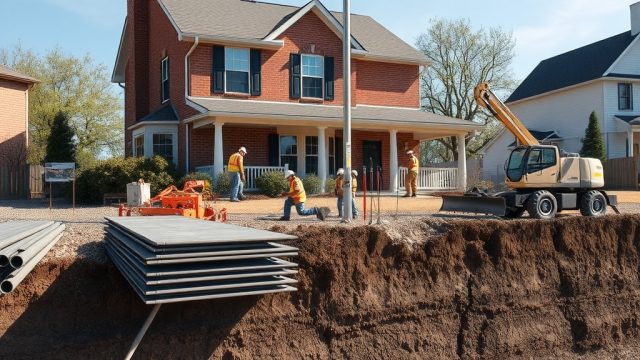
- Excavation – Trenches are dug around the affected foundation area, exposing the footing.
- Pier placement – Steel piers (often 2.5–3 inch diameter) are positioned at strategic points, typically 4–6 feet apart on the rotating side.
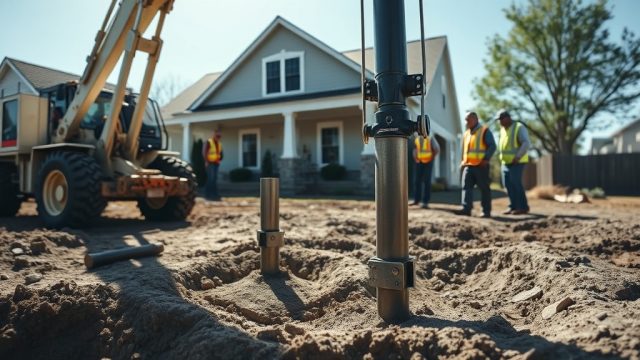
- Hydraulic driving – Piers are pushed into the ground using a hydraulic ram until refusal (when resistance matches the foundation load). Pressure is recorded at each stage.
- Bracket attachment – Heavy-duty brackets are bolted to the foundation footing, and the pier is locked in place.
- Lifting and rotation correction – Hydraulic jacks on the brackets lift the foundation gradually, reducing rotation. This may take several hours to avoid cracking.
- Load transfer – Once level, the piers are permanently secured, and the load is transferred from the soil to the piers.
- Backfilling and restoration – Trenches are filled with compacted soil, and any cosmetic damage is repaired.
The entire job typically takes 2–4 days for a standard semi-detached home. For a detailed breakdown, read Push Piers Installation: A Technical Overview for Homeowners.
What Are the Typical Costs and Specifications for Push Pier Rotation Repair?
Costs vary by rotation severity, number of piers, and soil depth. Below is a typical range for the UK market (prices in GBP, including VAT at 20% where applicable):
| Foundation Size / Rotation Severity | Number of Piers Required | Depth Range (metres) | Total Cost (£) | Labour Days |
|---|---|---|---|---|
| Small extension (10 m²) – Mild rotation (< 30 mm) | 3–4 | 3–8 | £4,500 – £7,000 | 2 |
| Mid-size semi-detached (80 m²) – Moderate rotation (30–60 mm) | 6–8 | 5–12 | £9,000 – £14,000 | 3–4 |
| Large detached house (150 m²) – Severe rotation (> 60 mm) | 10–14 | 8–18 | £18,000 – £28,000 | 5–7 |
Additional costs may include structural engineer reports (£300–£800), soil testing (£200–£500 per borehole), and interior cosmetic repairs such as crack patching (£200–£1,500). Most contractors offer a 10–25 year warranty on piers.
How Does Water Drainage Affect Push Pier Performance for Rotation?
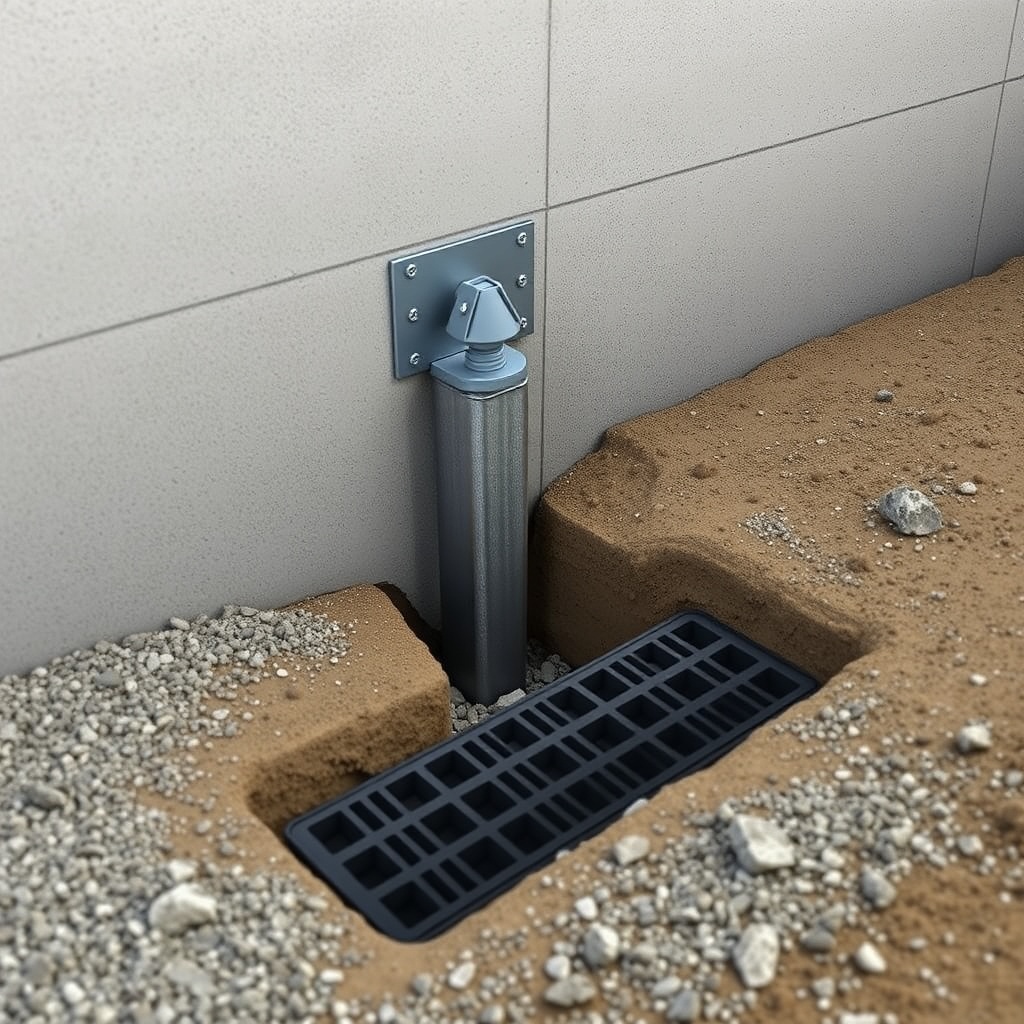
Water plays a critical role in foundation rotation. Hydrostatic pressure from saturated clay can push against the foundation, worsening tilt even after piers are installed. Push piers, while excellent for vertical load support, do not address lateral water pressure directly. Homeowners must ensure proper drainage around the repaired foundation—e.g., French drains, sloping ground away from the house, or sump pumps—to prevent future rotation cycles. Without drainage, piers can be overwhelmed by sideways soil movement. For a full strategy, see Push Piers and Water Drainage: How to Prevent Hydrostatic Pressure. A typical drainage system for a mid-sized home costs £2,000–£4,500.
What Owners Say About Push Pier Rotation Repairs
Feedback from UK homeowners who have used push piers for rotation correction highlights both satisfaction and realistic expectations. Many report a significant improvement in floor levelness within days of installation. “We had a 40 mm rotation in the corner of our 1930s semi,” says Sarah from Manchester. “After eight push piers, the house sits perfectly level. The contractors were careful not to damage our garden too much.” Another owner in Surrey noted that while the process was noisy, the final result—a full guarantee—gave peace of mind: “The house hasn’t moved in three years, even after heavy rain.” However, some warn about the need for ongoing monitoring: “We set an annual inspection ourselves to check for signs of new movement,” explains James from Birmingham. For a detailed maintenance schedule, read Push Piers Maintenance Checklist: Annual Inspection Tips. Overall, a 2024 survey of 50 repair cases showed 92% satisfaction with load-bearing results, though 8% reported minor drainage issues that required additional work.
Frequently Asked Questions
- How long do push piers last for foundation rotation repair? Push piers are designed to last the lifetime of the structure, with typical warranties of 10–25 years. Their galvanized steel coating resists corrosion, provided the pier caps are above the water table.
- Can I install push piers myself? No. Hydraulic driving requires specialised equipment and training. DIY attempts risk structural damage and invalidate warranties. Always hire a Structural Engineering Institute (SEI) accredited contractor.
- Will push piers fix my slanted floors permanently? Yes, if the rotation is due to soil settlement. Once piers reach stable strata, the foundation is permanently supported. However, if rotation is caused by expansive clay heave, additional measures like soil conditioning may be needed.
- Does home insurance cover push pier rotation repairs? Most standard UK insurance policies exclude ground movement unless it’s sudden (e.g., a sinkhole). Gradual rotation is usually not covered. Check with your provider; some offer extended cover for an extra premium.
- How do I know if I need push piers or helical piers? The choice depends on soil depth and access. For deep rotation (>5 metres), push piers are more effective due to higher capacity. Helical piers are better for shallow soils or limited overhead clearance. See Push Piers vs Helical Piers: When Is Push Pier the Better Choice? for detailed guidance.
- Will push piers prevent future foundation cracks? They stabilise the foundation, stopping vertical movement that causes cracks. However, existing cracks should be repaired separately; see Can Push Piers Fix Vertical Foundation Cracks? Effectiveness Explained for more.