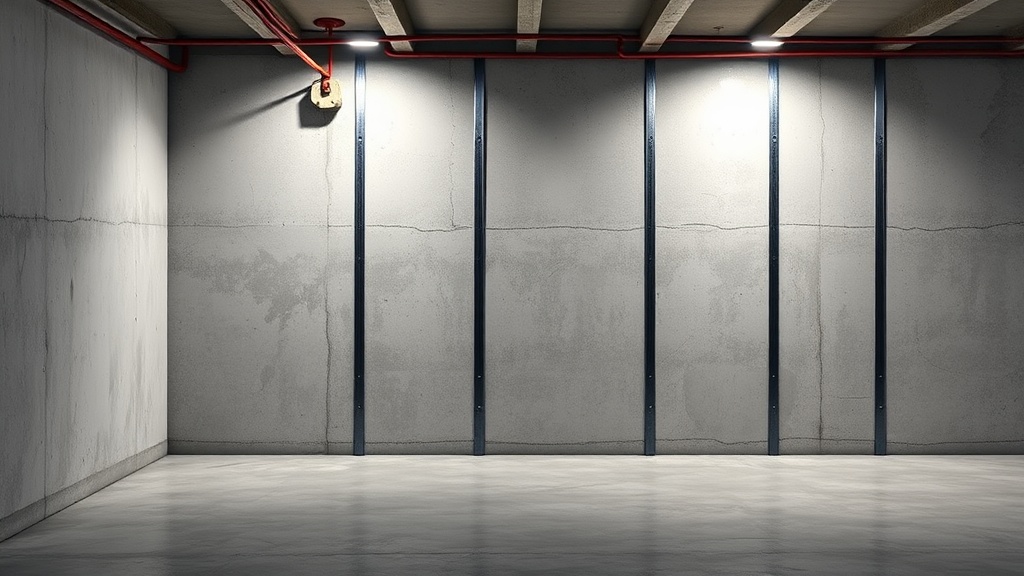
Understanding the Cost of Carbon Fiber Straps Per Linear Foot
For homeowners contending with foundation wall cracks or bowing, carbon fiber straps have become a go-to reinforcement solution. Unlike traditional steel beams, these lightweight yet incredibly strong materials offer a less invasive repair method, but the cost can vary widely. Understanding the per-linear-foot pricing structure is essential for budgeting a foundation repair project, as total costs hinge on the number of straps needed and the severity of the wall movement.
This breakdown will explore the key factors driving material and installation expenses, compare prices across different project scopes, and help you determine whether carbon fiber straps align with your financial and structural needs. We’ll cover everything from basic crack repairs to more extensive sagging wall applications.
What Is the Average Cost Per Linear Foot for Carbon Fiber Straps?
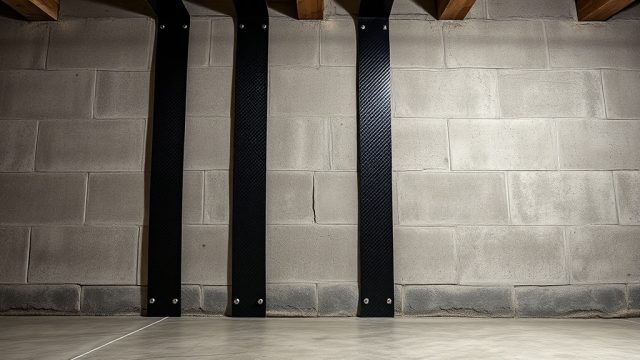
The national average cost for carbon fiber straps, when purchased as part of a complete installation kit, ranges from $45 to $90 per linear foot. This price typically includes the carbon fiber laminate itself, the high-strength epoxy adhesive, and top-and-bottom termination bars. For a standard 8-foot tall basement wall, a single strap measuring 8 linear feet will cost approximately $360 to $720 for the material alone.
However, this figure does not account for professional installation labor, which can add $30 to $60 per linear foot. When you combine material and labor, the total per-linear-foot cost for a professionally installed strap averages $75 to $150. For example, a homeowner needing five straps on a 40-foot wall at 8 feet tall each (totaling 40 linear feet of strap material) could expect a project total between $3,000 and $6,000.
Keep in mind that costs vary significantly by region, with urban areas and regions with higher labor rates (such as the Northeast or West Coast) often seeing premiums of 20–30%. It is always advisable to get multiple quotes from local contractors who specialize in Carbon Fiber Straps for Foundation Crack Repair: Step-by-Step Installation for an accurate assessment.
How Does Cost Per Linear Foot Change With Project Scope and Severity?
The severity of the foundation issue directly influences the number of linear feet of carbon fiber strap required, and thus the total cost. Below is a comparison table illustrating how cost scales with common scenarios:
| Project Severity | Typical Crack Width (inches) | Recommended Straps per 10 ft Wall | Strap Height (ft) | Total Linear Feet of Strap | Estimated Material Cost (per linear foot) | Estimated Total Project Cost (Material + Labor) |
|---|---|---|---|---|---|---|
| Minor settling crack | 1/8 to 1/4 | 2 | 6 | 12 | $55 | $1,200 – $1,800 |
| Moderate bowing (1–2 inches) | 1/4 to 1/2 | 3–4 | 8 | 24–32 | $65 | $3,000 – $4,800 |
| Severe bowing (2–3 inches) | 1/2 to 3/4 | 5–6 | 10 | 50–60 | $85 | $6,500 – $10,200 |
| Sagging wall with multiple cracks | Multiple offsets | 7–10 | 8–12 | 56–120 | $75 | $8,400 – $18,000 |
As the table shows, minor projects can run under $2,000, while severe wall failures may exceed $10,000. The per-linear-foot material cost also tends to decrease slightly with bulk purchases (e.g., 100+ linear feet), but labor costs remain relatively stable. For sagging walls specifically, you may need longer straps or additional termination hardware, which can drive up the per-foot price. Refer to Carbon Fiber Straps for Foundation Sagging: Application Guide for Homeowners for detailed specifications.
What Factors Drive the Per Linear Foot Price Variation?
Several variables cause the per-linear-foot cost of carbon fiber straps to fluctuate beyond simple material pricing. Understanding these can help you anticipate your final invoice.
- Epoxy and adhesive quality: High-performance epoxy systems are essential for bonding carbon fiber to concrete. Premium epoxies with higher shear strength cost $15–$30 per linear foot, whereas standard epoxies may add only $10–$15 per foot. Inferior adhesive can compromise the repair, so this is not an area to cut costs.
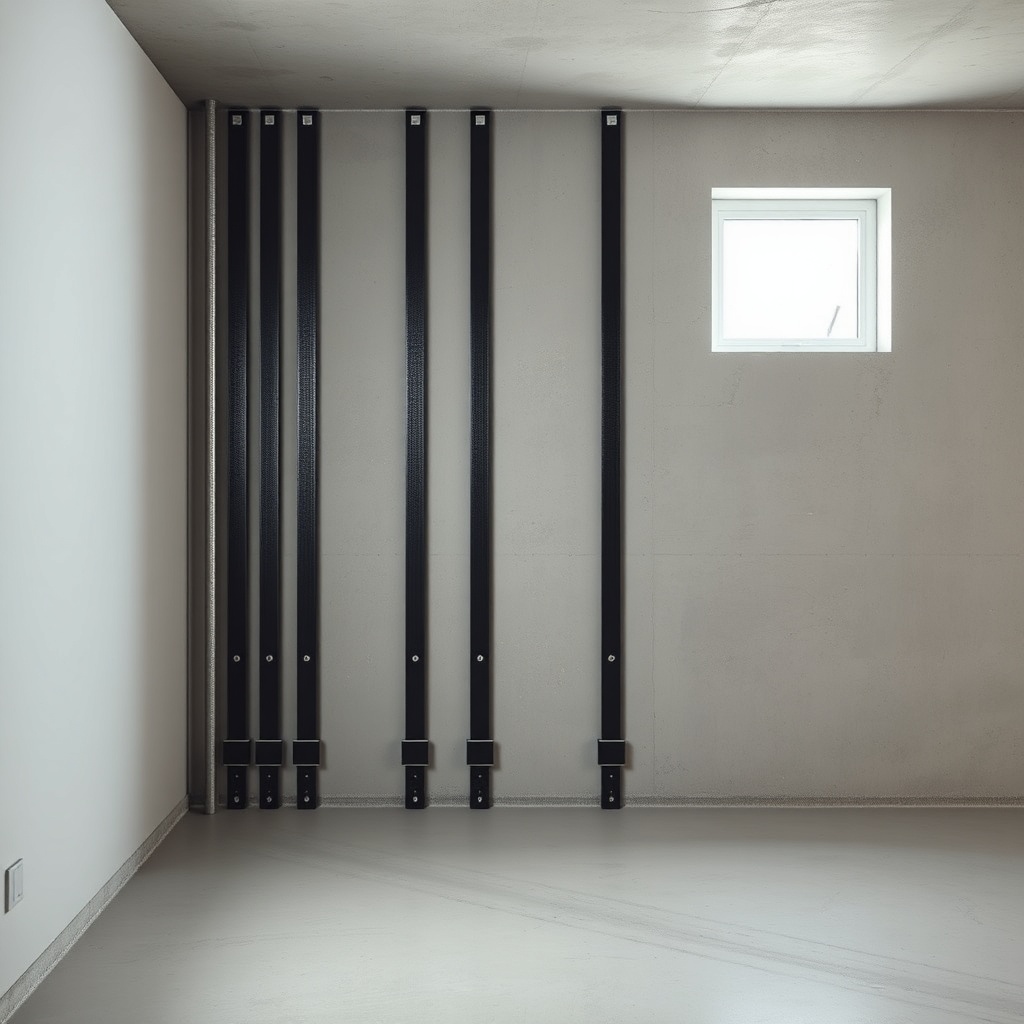
- Termination hardware and anchors: Each strap requires top and bottom termination bars (often steel or stainless steel) that secure the strap to the concrete floor and top beam. These add $20–$50 per strap, depending on the style and wall condition.
- Wall preparation and concrete condition: If the wall has spalling, efflorescence, or previous patching, additional grinding and cleaning are necessary. This can add $10–$20 per linear foot in labor, especially for older homes.
- Accessibility and obstructions: Basements with finished walls, stored items, or tight crawlspaces increase setup time. Contractors may charge a surcharge of $100–$300 for complex access, which effectively raises the per-foot cost on small projects.
- Geographic location and contractor demand: As mentioned, markets with high construction or repair demand see higher labor rates. Some contractors include a mobilization fee that can add $200–$500 to the total, spreading that across fewer linear feet.
For a deeper look at how material choices affect long-term value, see Carbon Fiber Straps vs Steel I-Beams: Which is Better for Basement Walls? for a comparative analysis.
How Does the Cost of Materials Compare to Installation Labor?
A common question homeowners ask is whether they can save money by buying materials themselves versus hiring a full-service contractor. Typically, a DIY kit for carbon fiber straps costs between $40 and $70 per linear foot, including adhesive and hardware. Professional installation labor adds $30 to $60 per linear foot, meaning material represents about 50%–60% of the total cost, with labor making up the remainder.
However, a contractor’s material price is often marked up 20–40% over wholesale, so a homeowner buying at retail may pay only slightly less than a contractor’s bundled price. The real savings from DIY come from avoiding labor, but improper installation can void warranties and lead to When to Worry: Carbon Fiber Straps and Crack Widening Signs such as hidden structural failure. Most professionals recommend full installation to ensure the epoxy is mixed correctly, the strap is tensioned properly, and the termination is secure.
For an average project with 30 linear feet of strap, a DIY approach might cost $1,500–$2,100 in materials, while a professional installation would total $3,000–$4,500. The extra $1,500–$2,400 is often worth the peace of mind and structural guarantee provided by a certified installer.
What Are the Cost Differences Between Carbon Fiber Straps and Steel I-Beams?
When comparing carbon fiber straps to steel I-beams, the per-linear-foot cost for material alone is similar ($45–$90 for carbon fiber versus $40–$80 for steel I-beams). However, installation complexity makes steel beams significantly more expensive in total. Steel I-beams require excavation of the floor slab, drilling into the footing, and often crane or hydraulic equipment to position the beam, adding $100–$200 per linear foot in labor.
Total installed cost for steel beams averages $150–$300 per linear foot, roughly double the cost of carbon fiber straps. Carbon fiber straps are also lighter, allowing faster installation (one to two hours per strap versus half a day for a steel beam). Additionally, steel beams can corrode in damp basement environments, whereas carbon fiber straps are impervious to moisture and Carbon Fiber Straps and Moisture: Do They Resist Water Damage? discusses how they perform better in wet conditions. For most residential applications with moderate wall bowing, carbon fiber straps offer a 30–50% lower total project cost.
What Owners Say About Carbon Fiber Strap Costs
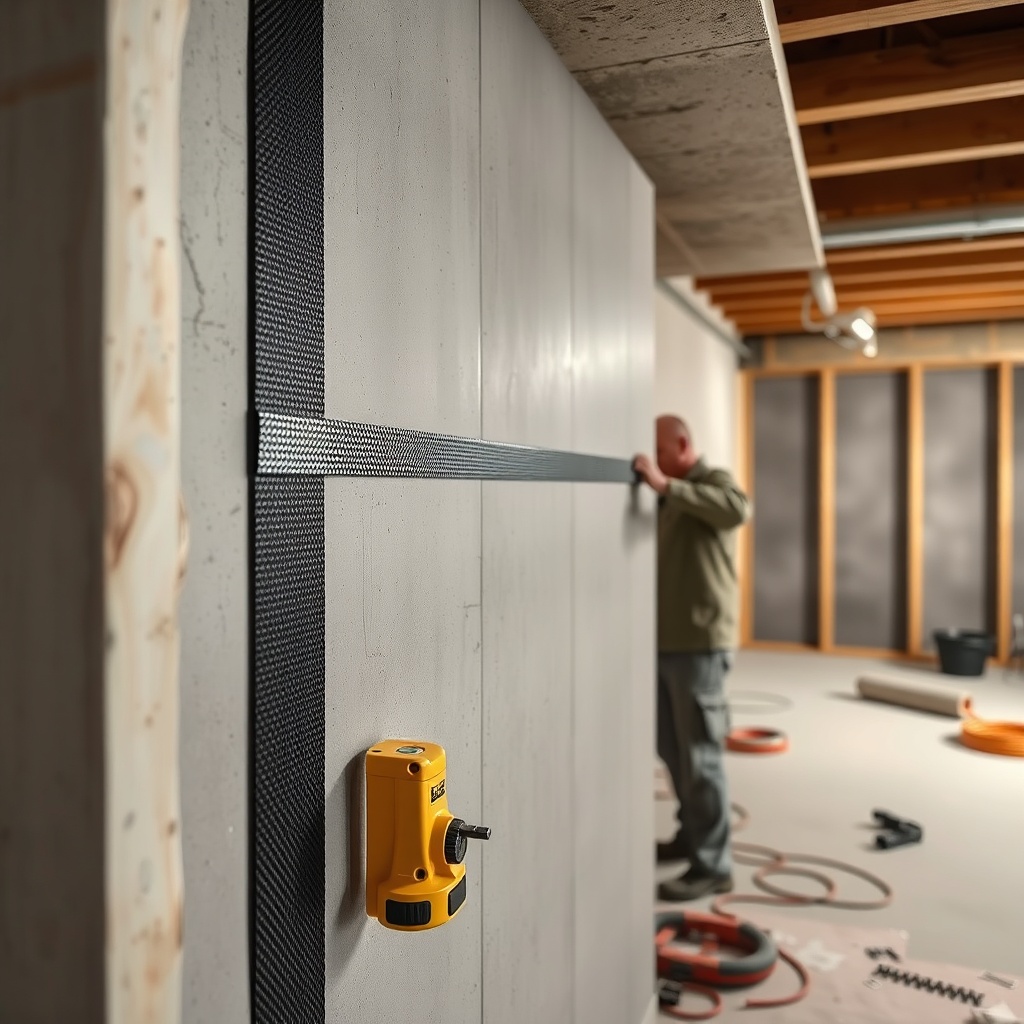
Homeowners who choose carbon fiber straps often highlight the balance between cost and effectiveness. Many report being pleasantly surprised that the per-linear-foot price was lower than quoted for other methods. One homeowner from Ohio noted, “I paid $4,200 for four straps on an 8-foot wall, and that included a five-year warranty. A steel beam quote came in at $8,500. The carbon fiber straps have held perfectly through two wet seasons.”
Others caution against the cheapest bids. A New York homeowner shared, “I went with the lowest quote at $65 per linear foot, but the contractor used generic epoxy and didn’t grind the wall properly. Within a year, one strap delaminated. I ended up paying $1,200 to have it redone by a reputable company. The initial savings weren’t worth it.”
A common theme is satisfaction with the aesthetics, as carbon fiber straps are unobtrusive. Many owners mention that the low-profile look, combined with the lower total project cost compared to alternatives, made the investment worthwhile. However, some note that the upfront cost can still be a burden, especially for multi-strap projects on long walls. Financing options are available from many contractors, spreading the cost over 12–24 months.
Frequently Asked Questions
1. Can I negotiate the per linear foot price with a contractor?
Yes, especially if you are having multiple straps installed. Contractors may offer a 5–10% discount for projects exceeding 50 linear feet, but be cautious of prices below $60 per linear foot installed, which may indicate substandard materials or inexperienced labor.
2. Does the cost per linear foot include drilling into the footer?
Most professional installations include drilling holes into the concrete floor for the bottom termination bar, though some contractors charge this as an add-on ($50–$150). Always get a detailed written quote specifying what is included.
3. How long does a carbon fiber strap installation last, and is it cost-effective over time?
With proper installation, carbon fiber straps can last 50+ years. The one-time cost is generally more cost-effective than repeated patching or eventual wall replacement, which can cost $25,000–$50,000.
4. Is the cost per linear foot higher for a bowed wall versus a cracked wall?
Yes. Bowed walls often require longer straps (full wall height) and more of them, increasing the total linear feet. Additionally, bowed walls may need more surface preparation, raising the per-foot labor cost by $10–$20.
5. Are there any hidden costs I should ask about?
Potential hidden costs include junk removal (if the basement is cluttered), concrete disposal if footing cores are taken, and permit fees ($50–$200). Also, if the wall has previous patches or coatings, additional grinding may be needed, adding $5–$15 per linear foot.
6. How does the cost compare to foundation wall replacement?
Foundation wall replacement often costs $100–$300 per square foot, plus demolition and disposal. For a wall 40 feet long by 8 feet high, that’s $32,000–$96,000. Carbon fiber straps at $75–$150 per linear foot (totaling $6,000–$12,000 for the same wall) are a fraction of the cost, provided the wall is structurally sound enough for reinforcement rather than replacement.