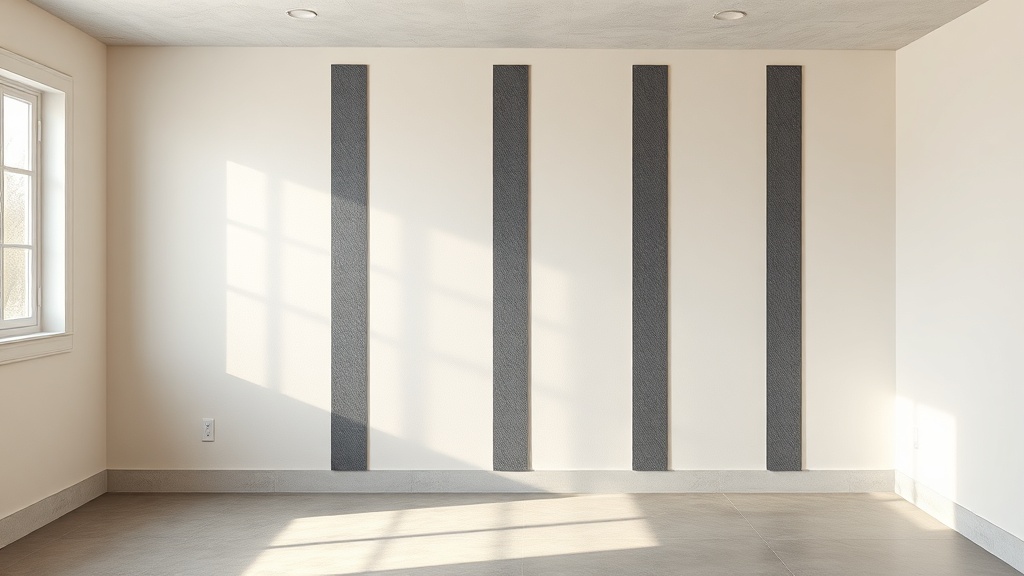
What Are Carbon Fiber Straps and How Do They Fix Sagging Foundation Walls?
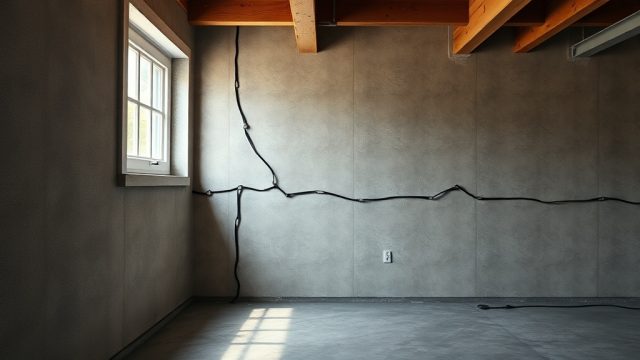
Carbon fiber straps are high-strength composite strips designed to reinforce basement or crawlspace walls that have begun to bow or sag inward due to soil pressure. Unlike traditional steel beams that require heavy machinery and concrete footings, these lightweight straps bond directly to the concrete or masonry surface using a specialized epoxy. For homeowners in the United States, a typical carbon fiber strap installation for a single wall panel costs between $600 and $1,200, depending on wall height, crack severity, and local labor rates. When used specifically for crack repair, carbon fiber straps prevent further inward movement, distribute stress across the damaged area, and can restore structural integrity without the need for excavation.
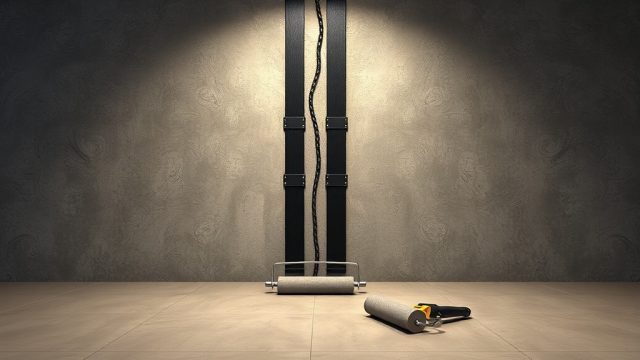
These straps are typically 4 to 6 inches wide, 48 to 72 inches long, and have a tensile strength exceeding 150,000 psi—roughly three times stronger than steel at one-third the weight. This makes them ideal for bowing walls where minimal added mass is desired. For homeowners, the appeal lies in the minimal disruption: installation is completed in a few hours, and the wall retains its original appearance once the straps are painted over.
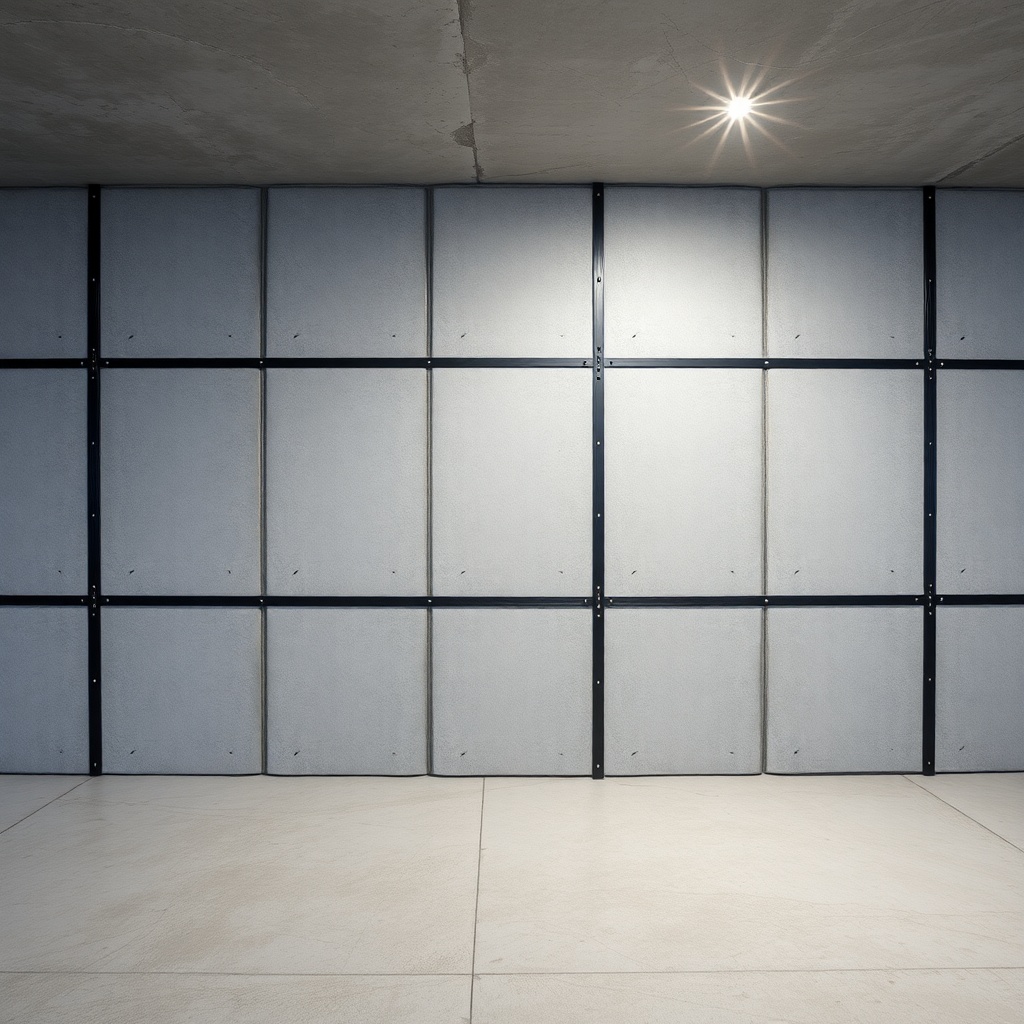
Can Carbon Fiber Straps Stop Crack Widening in Sagging Foundation Walls?
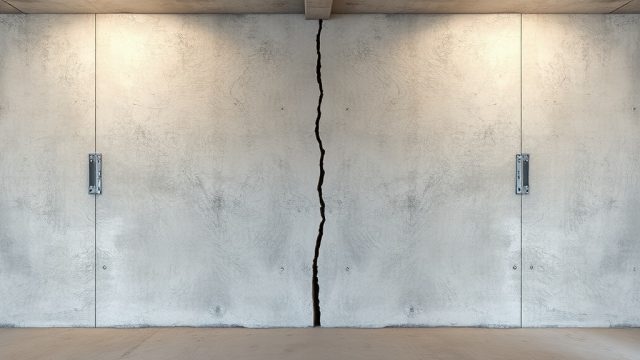
Yes, when installed correctly, carbon fiber straps are highly effective at arresting crack widening caused by lateral soil pressure. The straps function as external reinforcement, bridging the crack and tying the two sections of the wall together. Laboratory tests by the International Code Council (ICC) have demonstrated that carbon fiber strap systems can restore a cracked wall to 100% of its original load-bearing capacity—and often exceed it. However, it is critical that the underlying cause of the crack is addressed first. If the soil around the foundation remains saturated and exerts continuous pressure, the straps may eventually fail unless drainage improvements are made.
Homeowners should monitor for carbon fiber straps and crack widening signs such as new hairline cracks near the strap edges, popping noises during heavy rain, or gaps forming between the strap and the wall. If any of these signs appear, prompt professional evaluation is necessary. Crack widening that continues after strap installation often indicates that the soil pressure exceeds the system’s design limits, requiring additional straps or a different reinforcement strategy.
How Do You Choose the Right Carbon Fiber Strap for Your Foundation Crack?
Selecting the appropriate carbon fiber strap depends on three main factors: crack width, wall height, and wall material. For concrete walls with cracks under 1/8 inch wide, a standard 4-inch-wide strap is usually sufficient. For cracks between 1/8 and 1/4 inch, a 6-inch-wide strap is recommended. For block or masonry walls, wider straps (6 inches) are standard because the mortar joints provide less inherent strength.
The table below summarizes the typical specifications for residential carbon fiber strap systems:
| Strap Width | Recommended Crack Width | Wall Height (max) | Tensile Strength (psi) | Typical Cost per Strap (installed) |
|---|---|---|---|---|
| 4 inches | Up to 1/8 inch | 9 feet | 150,000 | $300–$500 |
| 6 inches | 1/8 to 1/4 inch | 12 feet | 180,000 | $400–$700 |
| 8 inches (custom) | Over 1/4 inch or multiple cracks | 14 feet | 200,000 | $600–$1,000 |
Always verify that the strap system meets ICC-ES AC125 or AC331 standards. For do-it-yourself homeowners, pre-cut kits with epoxy are available from hardware suppliers, but professional installation is strongly advised for structural repairs. A licensed contractor will also perform a soil assessment to ensure that drainage or grading issues are corrected first. For detailed steps, see our guide on carbon fiber straps for foundation crack repair: step-by-step installation.
What Is the Difference Between Carbon Fiber Straps and Steel I-Beams for Sagging Walls?
The fundamental difference lies in the installation method and the load path. Steel I-beams are vertical posts anchored to a concrete footing at the floor and a steel plate at the joist above. They physically push against the wall, resisting inward movement. Carbon fiber straps, on the other hand, are bonded entirely to the wall surface and work in tension, pulling the wall back into alignment over time. Steel beams add permanent mass and can reduce usable basement space, while carbon fiber straps are nearly invisible once finished.
Cost is another key differentiator. A single steel I-beam installation typically costs $1,500 to $3,000 per beam, while carbon fiber straps cost $300 to $700 per strap for standard sizes. For a typical 8-foot wall with minor bowing, 3 to 4 straps are needed, totaling $1,200 to $2,800—often less than one steel beam. However, steel beams are generally preferred when wall deflection exceeds 1.5 inches or when the soil pressure is extreme. For a comprehensive comparison, read our article carbon fiber straps vs steel I-beams: which is better for basement walls?.
Additionally, carbon fiber straps have excellent moisture resistance compared to steel. Steel I-beams can rust if exposed to persistent dampness, while carbon fiber is impervious to water damage. This makes straps particularly suitable for basements with high humidity or occasional minor flooding. The choice ultimately depends on the severity of the bowing, budget, and aesthetic preferences.
What Do Homeowners Say About Using Carbon Fiber Straps for Foundation Cracks?
Homeowners who have used carbon fiber straps for sagging walls generally report high satisfaction, particularly regarding the ease of installation and the non-invasive nature of the repair. Many describe the process as “a one-day fix” that does not require them to move furniture or excavate around the foundation. On average, homeowners in online forums and contractor review sites give carbon fiber strap repairs a 4.3 out of 5-star rating. Common praise includes the straps being “barely noticeable after painting” and “quick to install without mess.”
Negative feedback typically centers on two issues: the straps not holding when the underlying soil issue is unresolved, and occasional epoxy failures if the concrete surface was not properly cleaned. One homeowner in Ohio reported, “After two years, the straps are holding tight, but I wish I had fixed the downspout drainage first—cracks reappeared near the corner.” Another from Colorado noted, “Installation was smooth, but the contractor had to redo two straps because the wall was too dusty. Now they’re solid.” Overall, the consensus is that carbon fiber straps work exceptionally well when the installation is performed by an experienced professional under proper surface conditions.
How Long Do Carbon Fiber Straps Last on a Cracked Foundation Wall?
When installed correctly on a stable, properly prepared surface, carbon fiber straps have an expected service life of 40 years or more. The epoxy used is resistant to UV degradation (if indoors or protected), moisture, and temperature fluctuations. However, longevity depends heavily on the condition of the wall and the presence of ongoing moisture. In basements with chronic high humidity or active water seepage, the bond between the strap and concrete can weaken over time. Routine inspections every two to three years are recommended to check for delamination or peeling at the edges.
It is also important to note that carbon fiber straps do not correct the cause of the initial sagging—they counteract the symptom. If soil pressure increases due to heavy rains or poor drainage, the straps may be pushed beyond their capacity. Many manufacturers provide a transferable warranty for 20 years, but this often excludes damage from floods, earthquakes, or improper installation. Homeowners should document the installation with photos and keep the warranty certificate for resale value.
Frequently Asked Questions
Can I install carbon fiber straps myself?
Yes, pre-cut kits are available for DIY installation, but professional installation is strongly recommended for structural repairs. Ensuring proper surface preparation, correct epoxy mixing, and even pressure during curing is critical. Mistakes can lead to bond failure and wasted material.
How many carbon fiber straps do I need for a 10-foot wall?
A typical rule is one strap per 3 to 4 linear feet of wall length. For a 10-foot wall, 3 straps are usually sufficient, spaced evenly. The exact number depends on crack width and deflection severity. A contractor can provide a precise estimate after an inspection.
Will carbon fiber straps stop water from leaking through cracks?
No, carbon fiber straps are designed for structural reinforcement, not waterproofing. If water is entering through the crack, it must be sealed with hydraulic cement or polyurethane injection before installing straps. The straps themselves do not block water flow.
How much does a typical carbon fiber strap repair cost?
For a single crack in a standard 8-foot wall, the cost ranges from $600 to $1,200 for 3 to 4 straps, including labor and materials. Additional charges may apply for special site access, multiple walls, or if the wall requires prep work like grinding or cleaning.
Can carbon fiber straps be removed after installation?
Removing carbon fiber straps is difficult and usually damages the concrete surface. The epoxy forms a permanent bond. If removal is necessary, it should be done by a professional using angle grinders. Most homeowners leave the straps in place, painting over them to match the wall.
Do carbon fiber straps work on cracked concrete block walls?
Yes, they are effective on both poured concrete and concrete block walls. However, for block walls, the strap must be wider (6 inches is standard) to bridge the mortar joints, and the wall must be structurally sound enough to hold the epoxy bond severely compromised block sections may require additional reinforcement first.