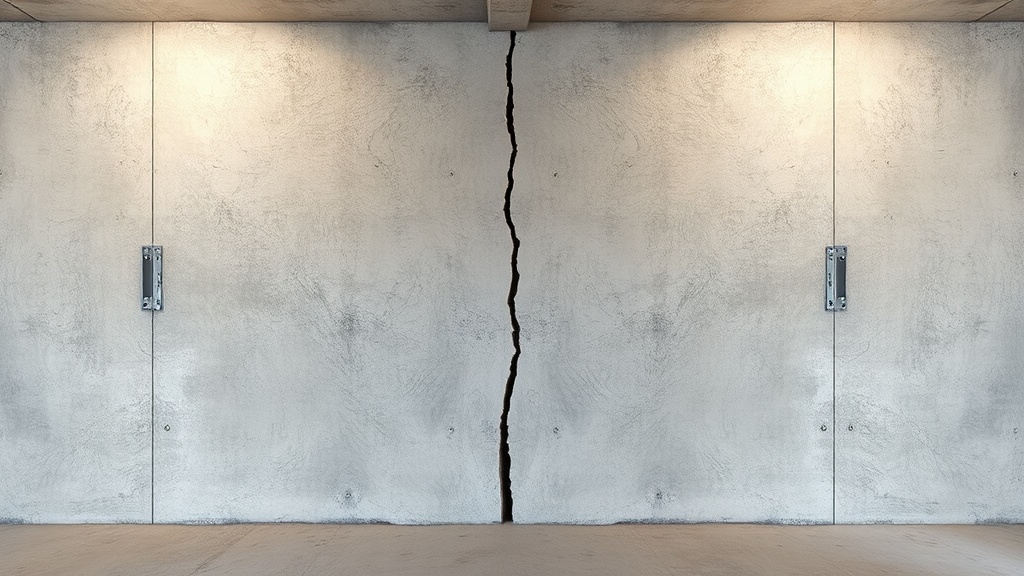
Why Are Carbon Fiber Straps and Epoxy Injections Often Compared for Wall Cracks?
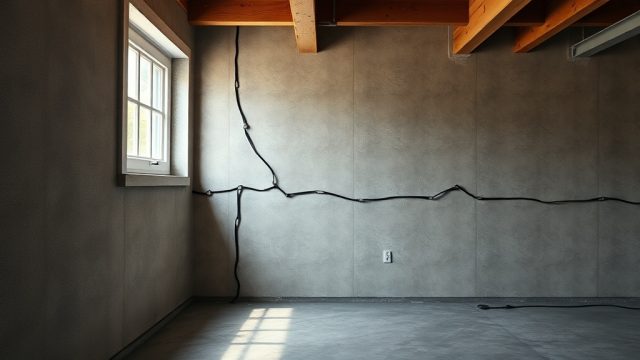
When a homeowner spots a crack in a basement wall, two repair methods usually come to mind: carbon fiber straps and epoxy injections. While both aim to restore wall integrity, they serve fundamentally different purposes. Carbon fiber straps provide structural reinforcement against ongoing lateral pressure, whereas epoxy injections seal cracks to prevent moisture intrusion without adding significant strength. Understanding this distinction is critical before committing to a repair strategy.
This article breaks down the key differences between carbon fiber straps and epoxy injections, helping you decide which method works best for your specific crack type, severity, and budget.
What Does a Carbon Fiber Strap Repair Actually Do?
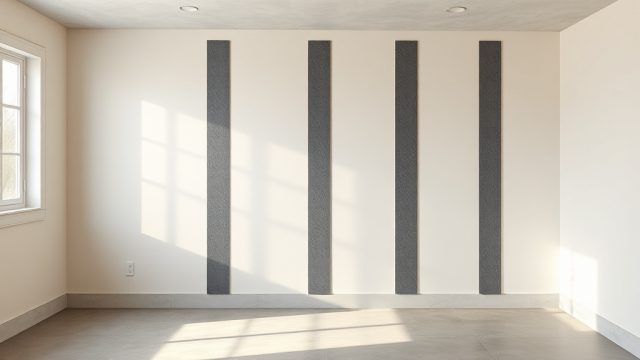
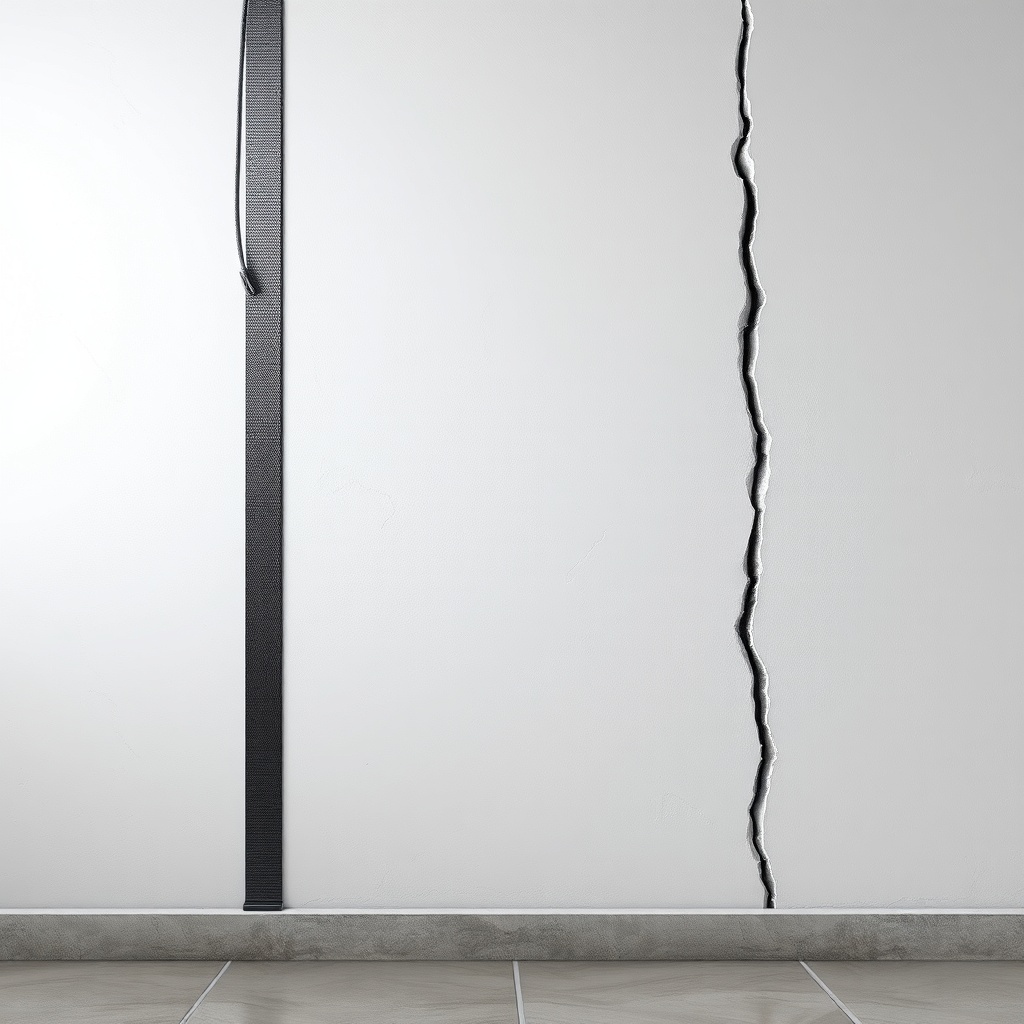
A carbon fiber strap is a high-tensile-strength fabric strip—typically 4 to 12 inches wide—bonded to the wall with epoxy adhesive. The strap acts as a tension member, preventing the crack from widening or shifting under soil pressure. This method is ideal for non-structural cracks (less than 1/8 inch wide) or for reinforcing walls that show signs of bowing or deflection. The straps are installed vertically across the crack, spaced every 2 to 4 feet along the wall length, and they become nearly invisible after painting.
The key advantage: carbon fiber straps address ongoing movement. They are not a quick seal but a permanent structural fix for walls under active lateral load. For a detailed look at the installation process, see our guide on Carbon Fiber Straps for Foundation Crack Repair: Step-by-Step Installation.
What Does an Epoxy Injection Actually Do?
Epoxy injection involves injecting a two-part epoxy resin into a crack under pressure. The epoxy penetrates the crack, bonds to the concrete, and cures into a rigid solid. This method is excellent for sealing hairline cracks (under 1/16 inch) and preventing water seepage. However, epoxy injections add minimal structural strength—they do not prevent the crack from widening if underlying soil pressure continues. In fact, if the wall is still moving, an epoxy injection may simply crack open again within months.
Epoxy is best reserved for dormant, non-moving cracks. If the crack is actively growing or if the wall is bowing inward, carbon fiber straps are the appropriate choice.
Carbon Fiber Straps vs Epoxy Injections: Side-by-Side Comparison
| Factor | Carbon Fiber Straps | Epoxy Injections |
|---|---|---|
| Primary purpose | Structural reinforcement against lateral pressure | Sealing cracks to prevent water intrusion |
| Crack width ideal for | 1/8 inch to 1/2 inch (non-structural) | Under 1/16 inch (hairline) |
| Stops crack widening? | Yes, effectively | No, minimal |
| Moisture resistance | High (carbon fiber is inert) | Excellent (epoxy is waterproof) |
| Typical cost per linear foot of crack | $400 – $800 (including labor) | $150 – $300 (including labor) |
| Installation time per strap/injection point | 1–2 hours (cure time 24–48 hours) | 30–60 minutes (cure time 24 hours) |
| Durability after installation | 50+ years (UV-stable indoors) | 10–20 years (unless crack reopens) |
| Appearance | Thin, painted over easily | Invisible after smoothing |
| Best for active movement? | Yes | No |
Which Method Works Best for Which Crack Severity?
Crack severity is the primary deciding factor. For a hairline crack under 1/16 inch that has not changed size in over a year, epoxy injection is adequate. For a crack between 1/16 inch and 1/4 inch that shows slight widening, carbon fiber straps provide the needed reinforcement. For cracks exceeding 1/4 inch—especially horizontal cracks or those accompanied by wall bowing—carbon fiber straps are mandatory, and epoxy injections are contraindicated. In extreme cases with wall movement over 2 inches, steel beams may be required; see our comparison in Carbon Fiber Straps vs Steel I-Beams: Which is Better for Basement Walls?.
Always measure crack width at the widest point. Monitor the crack over 3–6 months. If it grows, choose straps over epoxy.
What About Moisture and Long-Term Performance?
Carbon fiber straps are inherently moisture-resistant because the carbon fibers themselves do not corrode or absorb water. The epoxy adhesive used to bond them does provide a seal along the strap, but the strap is not designed as a primary water barrier. For wet cracks, a separate hydraulic cement or epoxy injection is often applied before strap installation. For a deep dive into moisture performance, read Carbon Fiber Straps and Moisture: Do They Resist Water Damage?.
Epoxy injections, when properly applied, form a waterproof seal that lasts for years—provided the crack remains stable. Once the wall moves, the epoxy seal breaks, and water can find a new path. In summary, for wet basements with active movement, carbon fiber straps plus a separate sealant are more reliable than epoxy alone.
What Do Homeowners Say About Their Experience?
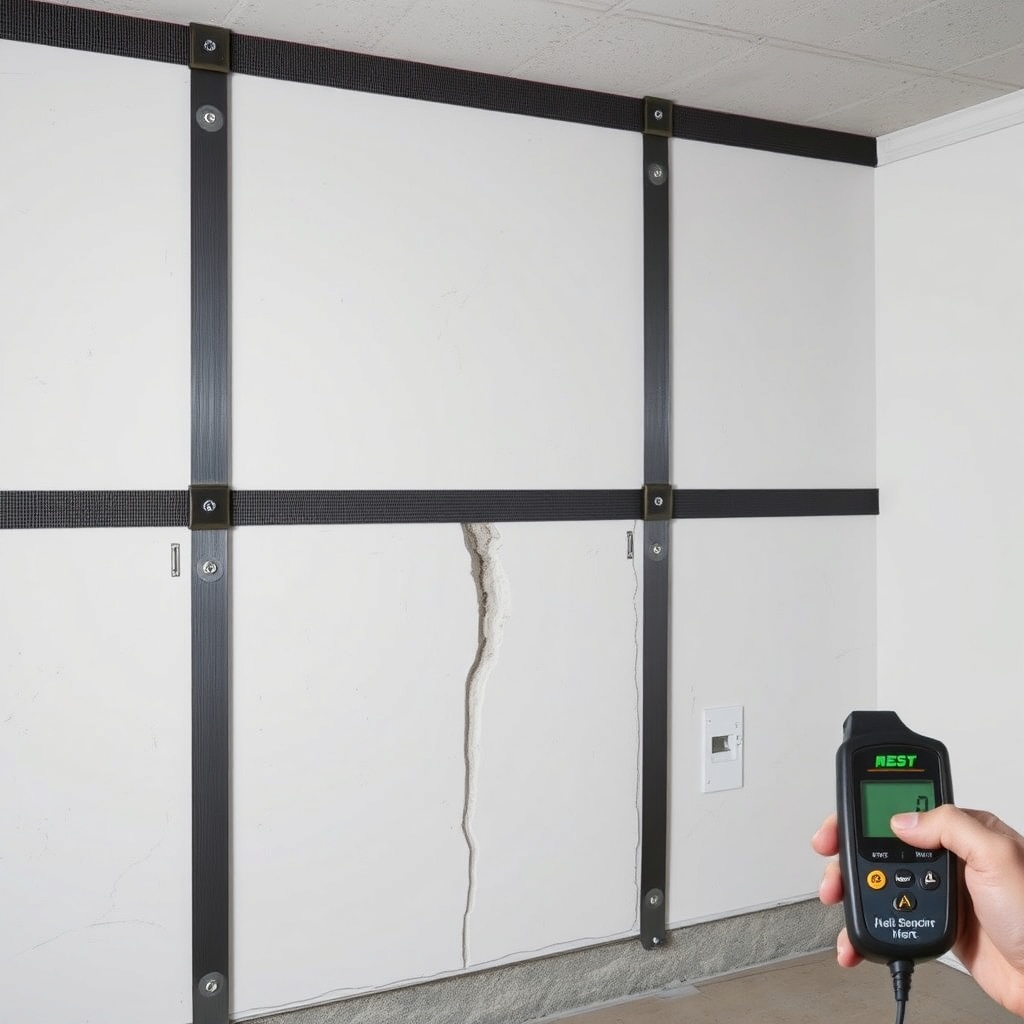
Homeowners who have used carbon fiber straps generally report satisfaction with the results. Many note that within a few weeks of installation, the crack stops widening, and the wall feels solid again. Some complain about the upfront cost compared to epoxy, but they often add that the peace of mind is worth it. One homeowner from Ohio shared: “We had a crack that kept growing after two epoxy injections. We switched to carbon fiber straps, and it hasn’t budged in three years. Should have done it the first time.”
Users of epoxy injections appreciate the low cost and quick application for stable, hairline cracks. However, several mention frustration when the crack reappears after a wet season. “I thought epoxy fixed it permanently. Then winter came and the crack opened again. Now we’re getting straps,” said a homeowner in Pennsylvania. Overall, for any crack showing signs of activity, straps earn higher marks from long-term users.
Frequently Asked Questions
1. Can I use epoxy injection after carbon fiber straps are installed?
Yes. If you want to seal the crack against moisture after the strap is bonded, you can inject epoxy into the crack alongside the strap. However, ensure the strap’s adhesive is fully cured (at least 48 hours) before injecting the crack.
2. How long does a carbon fiber strap repair last compared to epoxy?
Carbon fiber straps, when properly installed, last 50 years or more. Epoxy injections typically last 10–20 years, but this lifespan drops significantly if the crack widens due to ongoing soil movement.
3. What is the typical cost for carbon fiber straps per linear foot in my area?
Costs vary by region and contractor, but expect $400 to $800 per linear foot of crack for straps including labor. For a detailed breakdown, refer to Carbon Fiber Straps Cost Analysis: Per Linear Foot Breakdown for Homeowners.
4. Which cracks should never be repaired with epoxy?
Never use epoxy for horizontal cracks, cracks wider than 1/4 inch, cracks that accompany wall bowing, or cracks that show active widening. These indicate structural movement that epoxy cannot stop. Straps or steel beams are required.
5. Do carbon fiber straps work for foundation sagging?
Carbon fiber straps are designed for wall cracks and bowing, not foundation sagging (which is a sinking floor slab issue). For sagging, other methods like piering are needed. See Carbon Fiber Straps for Foundation Sagging: Application Guide for Homeowners for context.
6. How can I tell if my crack is still widening and needs straps instead of epoxy?
Mark the crack endpoints with a pencil. Take a photo with a date stamp. Measure width monthly. If the width increases or the crack lengthens over 3–6 months, the wall is moving. Straps are then indicated. For signs of rapid movement, consult When to Worry: Carbon Fiber Straps and Crack Widening Signs.