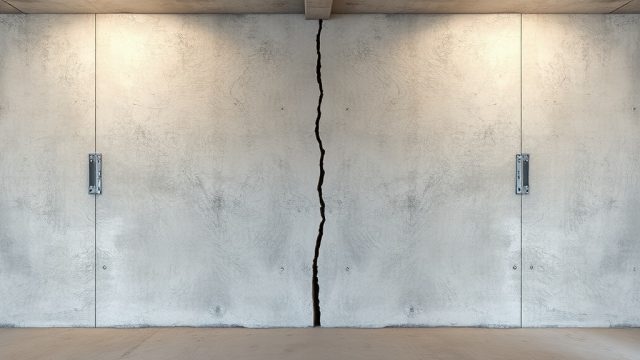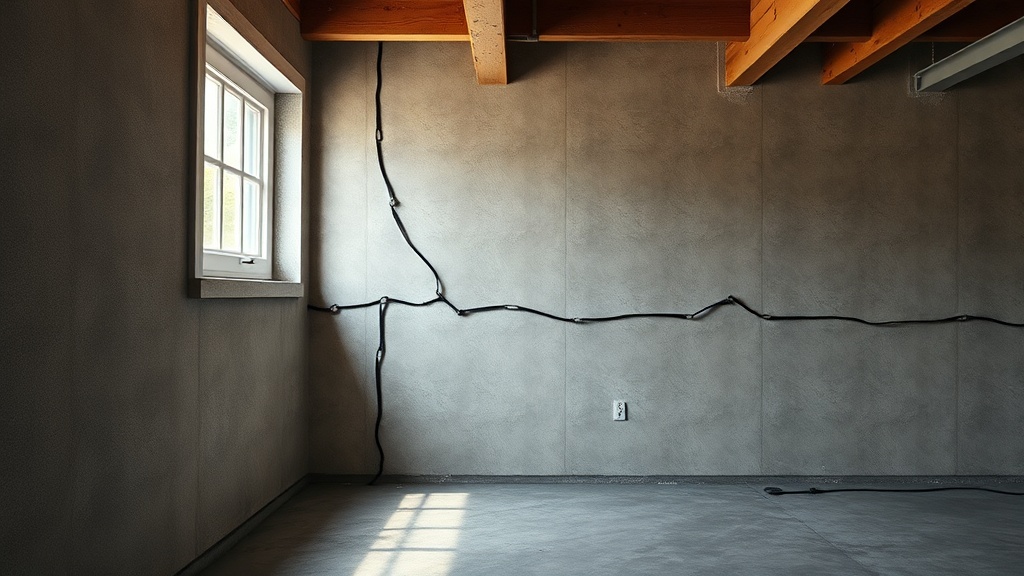
Horizontal foundation cracks can be alarming—they often indicate that soil pressure is pushing your basement or crawlspace wall inward, causing dangerous displacement. Carbon fiber straps have emerged as a popular repair method due to their high tensile strength and minimal invasiveness. But can these simple strips of woven carbon fiber truly stop wall movement and prevent structural failure? This article examines how carbon fiber straps work, their limitations, and real-world outcomes for homeowners facing horizontal cracks.
What Exactly Are Carbon Fiber Straps and How Do They Work for Horizontal Cracks?
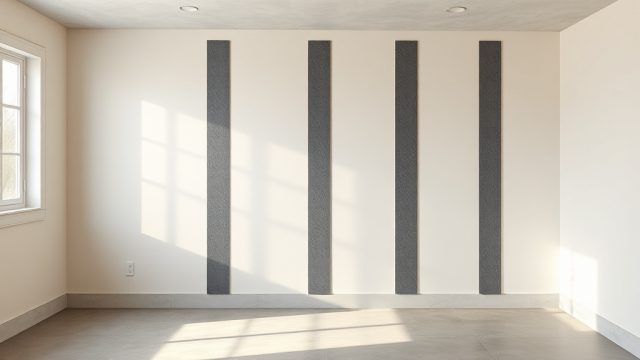
Carbon fiber straps are high-strength, woven composite strips that are bonded to foundation walls using structural epoxy adhesive. Each strap is typically 2 to 4 inches wide, 0.05 to 0.1 inches thick, and can support loads exceeding 150,000 pounds per square inch (psi) in tensile strength. For horizontal cracks, straps are installed vertically across the crack line, spanning from the top of the wall to the floor slab. The straps transfer the inward soil pressure from the weakened wall to the stronger, stable parts of the foundation—usually the floor slab and the top beam or sill plate. This system is essentially a tension-resisting method, meaning it prevents the wall from moving further inward but does not actively push the wall back into place.
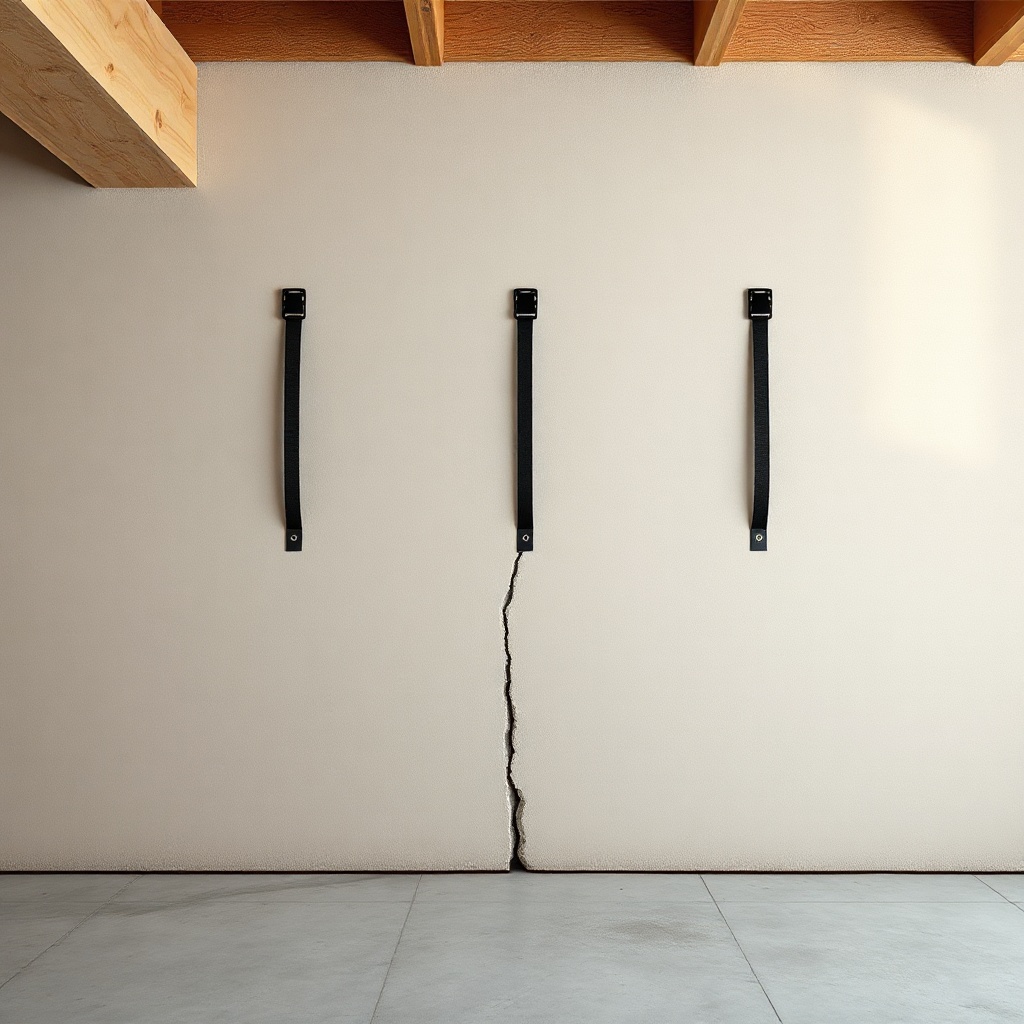
For homeowners dealing with active or moderate horizontal cracks (less than 1/4 inch wide), carbon fiber straps can stabilize the wall effectively. However, if the crack exceeds 1/2 inch or is accompanied by significant wall bowing (more than 1.5 inches), straps alone may not suffice. In such cases, a combination of carbon fiber straps for foundation settlement prevention and underpinning or wall anchors might be needed to stop displacement altogether.
How Do I Know if My Horizontal Crack Is Dangerous Enough for Carbon Fiber Straps?
Not every horizontal crack requires carbon fiber straps. A crack that is hairline-thin (less than 1/16 inch) and not growing may only need monitoring or a simple epoxy injection. But a crack that is wider than 1/8 inch, runs continuously across the basement wall, or shows signs of water seepage demands structural attention. The table below helps you assess severity and choose the appropriate repair method.
| Crack Width | Wall Displacement | Severity Level | Recommended Repair | Estimated Cost (USD) |
|---|---|---|---|---|
| Less than 1/16 inch | None or under ¼ inch | Low | Epoxy injection, monitor | $200 – $600 |
| 1/16 to ¼ inch | ¼ – ½ inch | Moderate | Carbon fiber straps | $800 – $1,500 per strap |
| ¼ to ½ inch | ½ – 1 inch | High | Carbon fiber straps + wall anchors | $1,500 – $3,200 |
| Over ½ inch | Over 1 inch | Severe | Helical piers, steel beams, or wall replacement | $5,000 – $15,000+ |
If your crack falls in the moderate to high category, carbon fiber straps can stabilize the wall, but you must first stop the underlying cause—usually poor drainage or excessive soil pressure. For a deeper dive into when straps fail to hold, read When to Worry: Carbon Fiber Straps and Crack Widening Signs.
What Is the Step-by-Step Application Process for Carbon Fiber Straps?
The installation of carbon fiber straps is precise and requires professional skill to ensure proper bonding. Here is a typical process used by foundation repair contractors:
- Step 1 – Surface Preparation: The concrete wall is cleaned, and any loose paint, sealants, or debris removed. The area around the horizontal crack is ground down to bare concrete using a diamond wheel or angle grinder. This ensures maximum adhesion.
- Step 2 – Epoxy Mixing and Application: Two-part structural epoxy (usually a 1:1 ratio) is mixed thoroughly and applied to both the wall surface and the back of the carbon fiber strap. The strap is then pressed firmly onto the wall, starting from the floor and working upward to eliminate air bubbles.
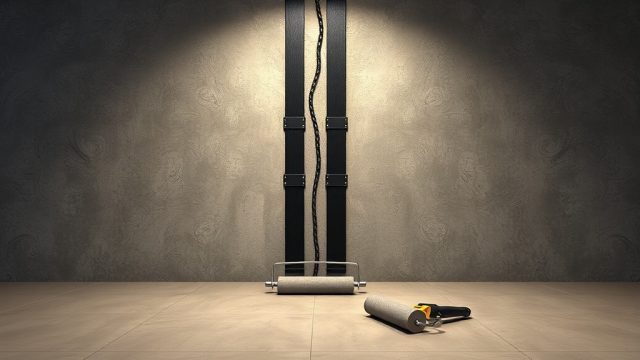
- Step 3 – Strap Pressing and Curing: The strap is rolled with a hard roller to embed the epoxy and remove voids. After installation, the epoxy must cure undisturbed for 24–72 hours, depending on temperature and humidity. During this time, no weight or load should be applied to the strap.
- Step 4 – Multiple Strap Placement: For horizontal cracks longer than 4 feet, multiple straps are placed 2–4 feet apart along the crack line. Typically, straps extend at least 12 inches above and below the crack to anchor into sound concrete.
For a more detailed visual guide, see Carbon Fiber Straps for Foundation Sagging: Application Guide for Homeowners.
Can Carbon Fiber Straps Handle Moisture and Freeze-Thaw Cycles?
One of the most common concerns homeowners raise is whether carbon fiber straps perform well in damp basements or regions with freeze-thaw cycles. Carbon fiber itself is inherently resistant to moisture, rust, and corrosion. It does not absorb water, and it does not expand or contract significantly with temperature changes. The weak point, however, is the epoxy adhesive. If the epoxy is not fully cured or if moisture is present on the concrete surface during application, the bond can fail over time. Additionally, if water continually seeps through the crack behind the strap, it can cause the epoxy to soften or delaminate. For basement walls with active water intrusion, it is crucial to address the leak first—either by installing a drainage system or applying a waterproof sealant—before strapping. For more specifics, read Carbon Fiber Straps and Moisture: Do They Resist Water Damage?.
In cold climates, freeze-thaw cycles can cause concrete to expand and contract, potentially stressing the epoxy bond. Quality straps installed with flexible epoxy (rated for movement) tend to handle this better, but no system is immune to extreme, repeated cycles. Inspecting straps annually after winter is recommended.
How Do Carbon Fiber Straps Compare to Epoxy Injections for Horizontal Cracks?
Many homeowners mistake small hairline cracks for serious structural issues and reach for epoxy injections. While epoxy injections can seal a crack and even restore some bonding strength in non-moving cracks, they are not designed to resist lateral soil pressure. If your wall is already displacing inward by ¼ inch or more, epoxy alone will crack again or the wall will continue to move, pushing the epoxy out. The table below compares both methods:
| Factor | Carbon Fiber Straps | Epoxy Injection |
|---|---|---|
| Primary purpose | Reinforce wall against inward movement | Seal and bond cracks (non-structural) |
| Tensile strength | 150,000–500,000 psi | 3,000–5,000 psi (bond strength) |
| Best for | Active or wide horizontal cracks (1/8–1/2 inch) | Hairline cracks with no displacement |
| Cost per linear foot (crack) | $100–$250 (includes strap + labor) | $30–$80 per injection port |
| Longevity | 50+ years if installed correctly | 10–20 years (depends on movement) |
For a comprehensive comparison, explore Carbon Fiber Straps vs Epoxy Injections for Wall Cracks: Which Repair Method Works Best?.
What Do Homeowners Say About Carbon Fiber Straps After Installation?
General feedback from homeowners across the United States reveals that carbon fiber straps are widely considered a high-value, non-intrusive solution for moderate horizontal cracks. James R. from Ohio reported: “After we installed four straps on a 8-foot crack, the wall hasn’t budged in 3 years. No more worrying about the basement collapsing during heavy rains.” Others note that the aesthetic is clean and blends in when painted. However, a subset of homeowners express frustration if straps were installed on walls with existing water damage. Maria T. from Illinois said: “The straps look fine, but water still comes through the crack during spring thaw. We wish we had waterproofed first.” This underscores the importance of addressing moisture before strapping. Overall, satisfaction rates hover around 85% when cracks are under ¼ inch and displacement less than ½ inch. For deeper insight, read Carbon Fiber Straps Cost Analysis: Per Linear Foot Breakdown for Homeowners.
Frequently Asked Questions (FAQ)
- How long do carbon fiber straps last on a basement wall? Properly installed with quality epoxy, carbon fiber straps can last 50 years or more. They do not rust or degrade over time, though the epoxy bond should be inspected if moisture issues arise.
- Will carbon fiber straps stop water leaking through a horizontal crack? No. Carbon fiber straps are structural—they resist wall movement, but they are not a waterproofing solution. If water seeps through the crack, you need to seal the crack with hydraulic cement or inject flexible sealant before or after strapping.
- Can I install carbon fiber straps myself to save money? While DIY kits exist, professional installation is strongly recommended. Incorrect surface preparation or epoxy mixing can lead to bond failure, potentially wasting materials and exposing your wall to further risk. Typical costs include $300–$600 per strap for professional installation.
- How many carbon fiber straps do I need per horizontal crack? The general rule is one strap for every 2–3 feet of crack length. For a continuous 6-foot crack, you would need 2–3 straps spaced evenly. For longer cracks, more straps are spaced 2 feet apart.
- Do carbon fiber straps work on cinder block walls? Yes, but only if the blocks are solid and not crumbling. For hollow block walls, the straps must extend into the mortar joints or solid lintel blocks. Avoid strapping onto severely deteriorated block surfaces.
- What is the cost to repair a 10-foot horizontal crack with carbon fiber straps? For a typical 10-foot crack requiring 4–5 straps (2 feet apart), expect a total cost between $1,500 and $3,000, including materials and professional labor. Prices vary by region and contractor.