What Are Push Piers and How Do They Differ From Steel Piles?
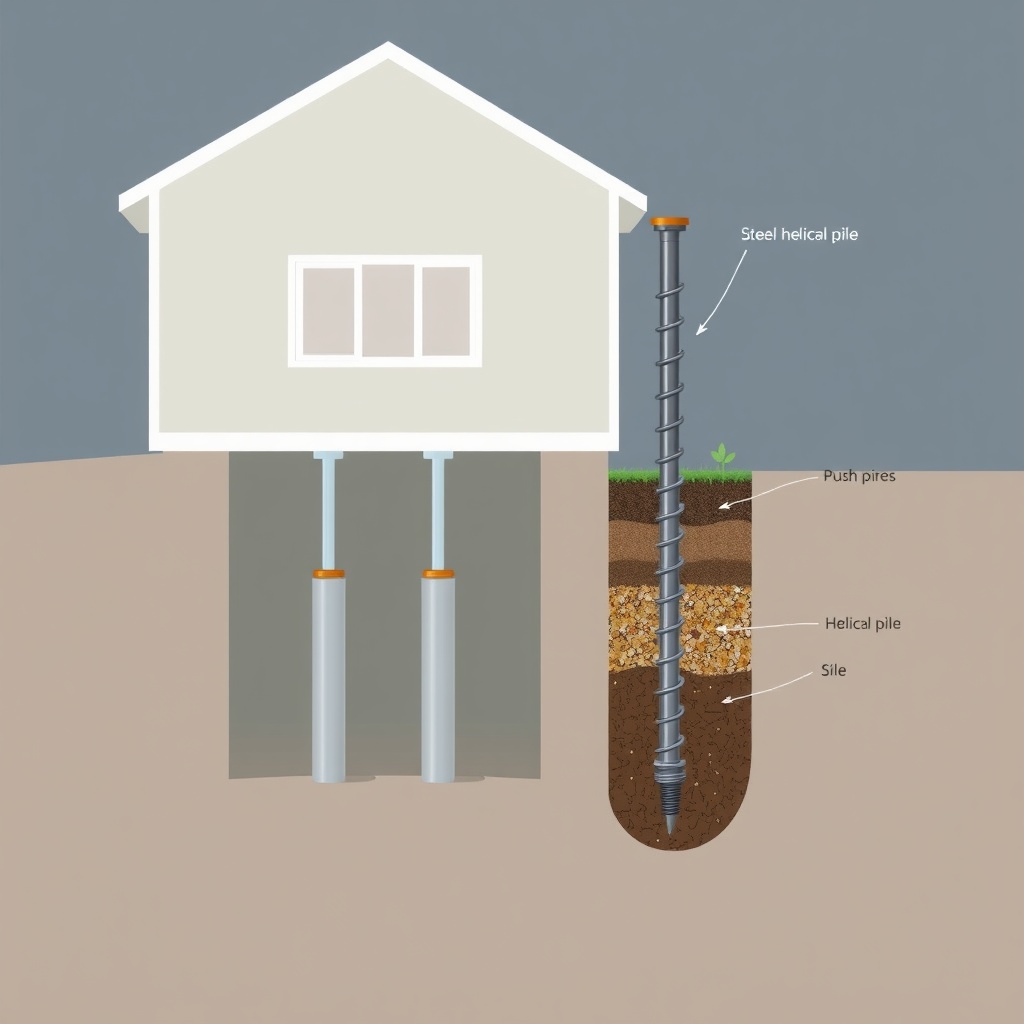
When your home’s foundation begins to settle, you may hear foundation repair contractors recommend either push piers or steel piles (also called helical piers). While both belong to the broader category of piering underpinning, they work on fundamentally different principles. Push piers are driven into the ground using the weight of the structure itself, relying on friction and end-bearing in stable soil layers. Steel piles, by contrast, are screwed into the earth like a giant wood screw, with load capacity generated primarily through helical plates.
For homeowners, understanding the difference matters because the choice directly affects long-term performance, cost, and the permanence of the repair. This article compares push piers and steel piles side by side, focusing on real-world outcomes for residential foundation repair. We will examine installation methods, load capacities, soil suitability, and budget considerations, drawing on industry standards and homeowner experiences across the United States.
We will focus specifically on push piers because they offer distinct advantages for heavy masonry foundations and deeper bearing strata. However, steel piles remain a strong contender for lighter structures or sandy soils. By the end of this guide, you will know which underpinning system best fits your home’s needs—and why push piers often win in performance comparisons.
How Do Push Piers and Steel Piles Differ in Installation and Load Transfer?
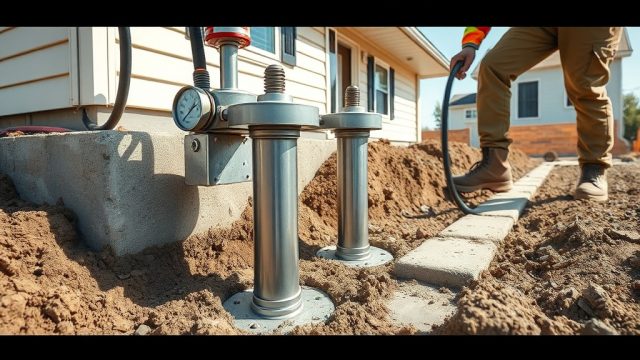
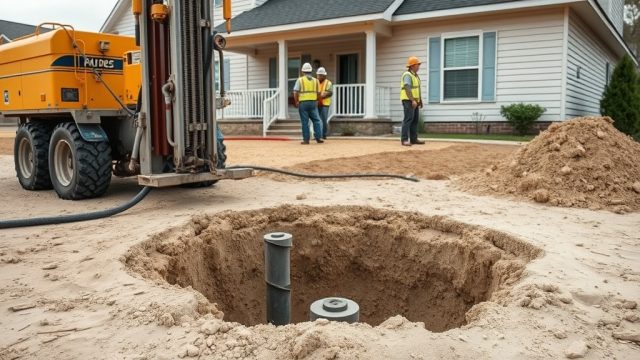
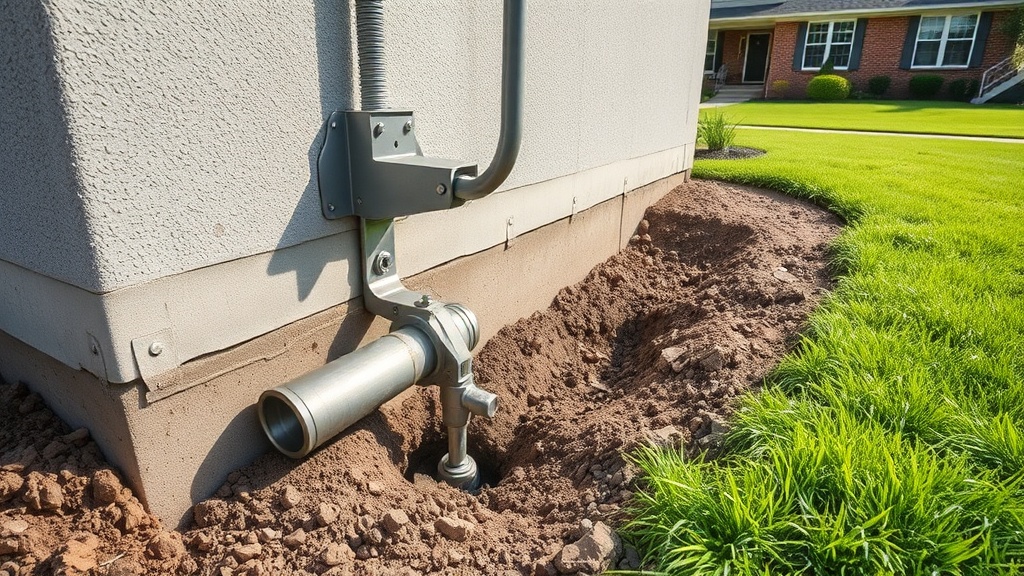
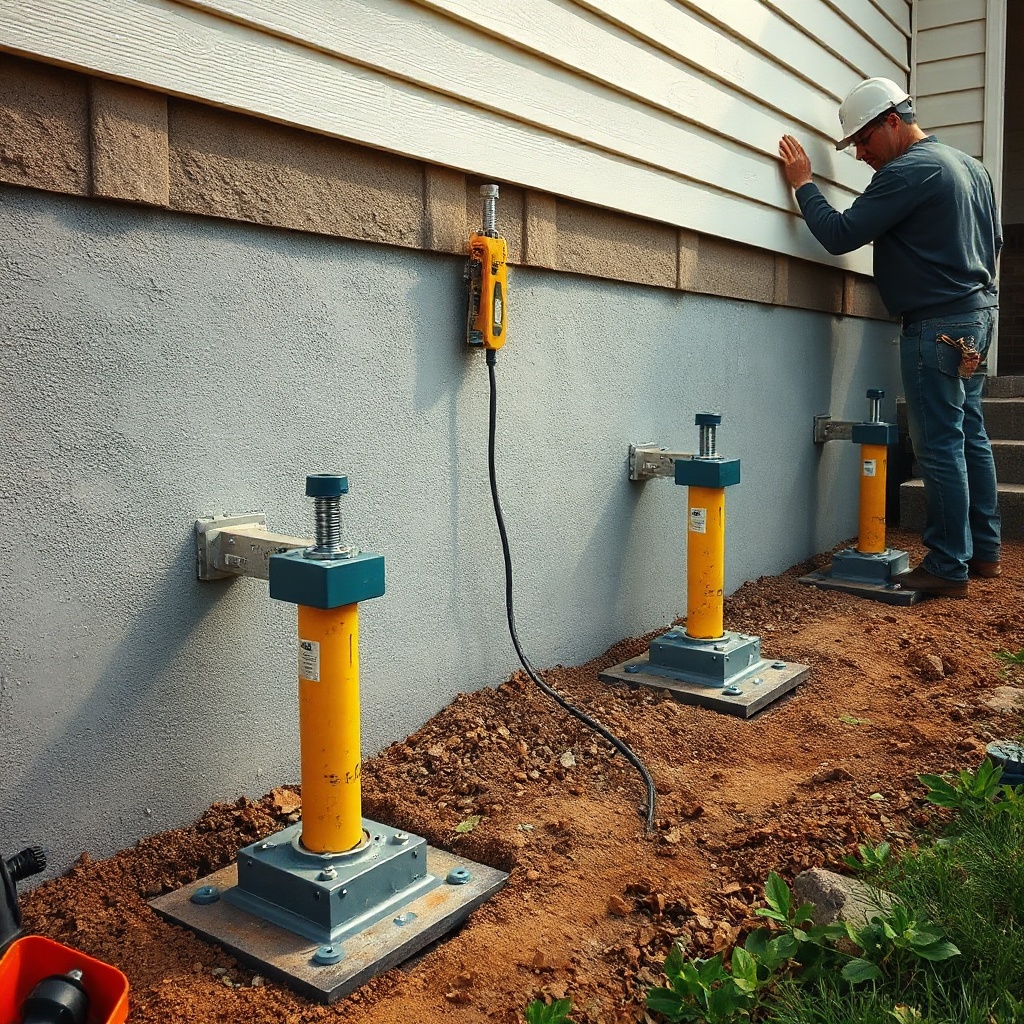
The core difference lies in the force required to install each system. Push piers are hydraulically driven using the weight of your home as a reaction force. A steel bracket attaches to the foundation footing, and a hydraulic jack pushes sections of steel pipe (the piers) into the ground until they reach refusal—meaning the soil’s resistance equals the load from your house. Typical push pier load capacities range from 30,000–60,000 pounds per pier, depending on soil conditions and pier diameter.
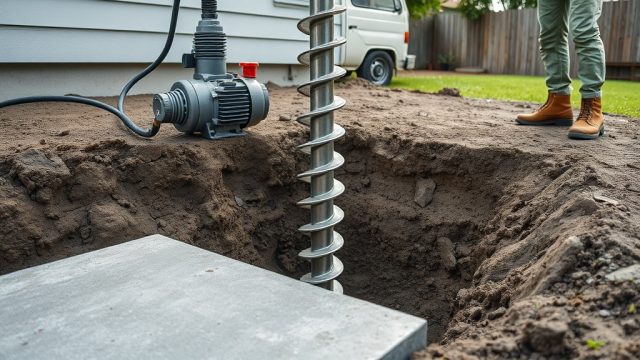
Steel piles, also known as helical piles, are rotated into the ground using a torque motor. Helical plates welded to the central shaft provide bearing capacity. Installation torque is monitored to estimate capacity, and a bracket is then bolted to the foundation. Steel piles often achieve capacities between 15,000–40,000 pounds per pile for residential applications. However, the installation process requires access for large equipment, and the piles must be screwed in without damaging underground utilities.
The load transfer mechanism also differs. Push piers transfer load through end bearing at the tip and skin friction along the pipe shaft. Since they are driven to a predetermined resistance, they provide near-instant support—once the pier reaches refusal, the load can be transferred immediately. Steel piles rely primarily on end bearing from the helices, with some shaft friction. The depth required for each system varies: push piers may reach 20–50 feet, while steel piles typically go 10–30 feet deep, making them less suited for deep clay or buried boulders.
Which Soil Conditions Are Best Suited for Push Piers vs Steel Piles?
Soil type is the single most important factor when choosing between push piers and steel piles. Push piers excel in expansive clay soils, such as those found across Texas, Oklahoma, and parts of the Midwest. These soils swell and contract with moisture, causing foundation movement. A push pier driven through the active zone (typically 10–20 feet deep) into stable bearing strata—like dense sand or rock—can resist both downward settlement and upward heave forces. For homeowners with foundation settlement in expansive soil, push piers are often the gold standard.
Steel piles perform better in cohesionless soils like sand or gravel, where screw-in installation is easier and less likely to cause refusal. The helical plates provide immediate load capacity without requiring the soil to “settle” around the pile. However, in cohesive clays, steel piles may experience “soil creep” over decades, where the clay slowly moves past the helices, reducing capacity over time. This is less of a concern with driven push piers because the pipe’s friction along the entire shaft provides distributed support.
A key consideration is buried rock or debris. Push piers can be indexed through obstructions up to a certain point, but hitting a large boulder can stop installation and require repositioning. Steel piles are more vulnerable: a rock can ruin the helical plates or bend the shaft. In rocky areas, push piers with a rock point tip have a better chance of penetrating or displacing small rocks. For homeowners, a soil test with borings is essential before choosing one system over the other.
What Is the Real Cost Difference Between Push Piers and Steel Piles?
Cost is a major driver for most homeowners, but the price difference is not as wide as you might think—especially when you factor in long-term performance. Below is a cost comparison based on current market rates (2025 data) for an average single-home foundation repair project requiring 8–12 piers.
| Cost Factor | Push Piers | Steel Piles (Helical) |
|---|---|---|
| Average cost per pier | $1,200 – $2,400 | $1,500 – $2,800 |
| Equipment mobilization | $500 – $1,200 | $800 – $1,500 |
| Total for 10-pier project | $12,000 – $24,000 | $15,000 – $28,000 |
| Installation time (average) | 2–3 days | 1–2 days |
| Warranty period (typical) | 25 years to lifetime | 10–20 years |
| Long-term maintenance risk | Low (no moving parts) | Moderate (soil creep possible) |
As the table shows, push piers are generally more affordable on a per-pier basis, especially for projects requiring many piers. Steel piles tend to cost more because of the specialized torque equipment and the need for heavier duty brackets. However, steel piles install faster, which can reduce labor costs for simpler jobs. For a typical 1,500-square-foot house with moderate settlement, a push pier system might run between $18,000 and $25,000, while steel piles would be $22,000 to $30,000. Homeowners in areas with deep expansive soils (like Dallas, Texas) often find push piers cost 15–20% less overall.
Another hidden cost: future adjustments. Steel piles rarely allow for adjustment after installation—once screwed in, the bracket height is set. Push piers can sometimes be retensioned if settlement occurs again, though most quality installations include a “bleed-off” relief system. For homeowners concerned about future soil shifts, push piers offer more peace of mind. If you are comparing costs, always request a written quote that includes load testing, permits, and company warranty terms.
How Do Push Piers Handle Foundation Rotation Better Than Steel Piles?
Foundation rotation—where one corner of your house sinks deeper than the other—is a common problem in clay soils. It leads to sloping floors, sticking doors, and cracked drywall. While both pier systems can level a foundation, push piers for foundation rotation are often preferred because they provide progressive, controllable lifting. The hydraulic jacking process allows the contractor to adjust each pier’s load individually, correcting the rotational angle precisely.
Steel piles, by contrast, are less forgiving. Once screwed in, the bracket is rigidly attached, and any adjustment requires removing and repositioning the pile—a costly and time-consuming process. For a house that has rotated by 3 inches in one corner, push piers can be used to lift that corner in 1/4-inch increments until the floor is level. The method also works well for sloping floors caused by foundation settlement, as the piers can be placed strategically around the perimeter to redistribute loads. Homeowners who have experienced rotation report that push piers leave their floors within 1/4 inch of level, while steel piles often only achieve 1/2-inch tolerance.
An added benefit: push piers minimize disturbance to landscaping. The installation brackets are small and do not require large excavation. Steel piles sometimes need access pits several feet wide to accommodate the torque motor. For homes with existing patios, walkways, or flower beds, push piers cause less structural disruption. However, note that push pier installation requires the house’s weight to be lifted, which may cause minor interior cracking if not managed by an experienced contractor. Always choose a push pier installer who follows best practices to avoid common mistakes like over-jacking or misalignment.
What Do Homeowners Say About Push Piers vs Steel Piles?
Real-world feedback from homeowners is invaluable. In online forums and contractor reviews, push piers consistently earn high marks for reliability and stability. A typical comment: “We had 12 push piers installed under our 1940s brick house in Houston. It’s been two years, and our floors are perfectly flat. The contractor tested each pier to 45,000 pounds before loading. No issues.” Homeowners in areas with sandy soils sometimes prefer steel piles because they install faster and create less vibration—a steel pile system in coastal Florida might be chosen over push piers to avoid driving noise.
However, there are trade-offs. Steel pile owners occasionally report problems with bracket slippage or pile settlement decades later due to soil creep. One homeowner in California noted: “The steel piles we installed in 2005 are holding, but the corners have dropped about 1/8 inch in 10 years. Our neighbor’s push piers are still perfect.” Push pier owners rarely report such creep, especially when piers reach bedrock or dense sand. The main complaint with push piers is the noise and vibration during installation—hydraulic hammers can be loud—and the need for more access space around the foundation.
When comparing long-term satisfaction, push piers tend to win in heavy clay soils and for deeper foundations. Steel piles are preferred for lightweight structures, sheds, or decks not needing full basement support. Homeowners with push piers for foundation rotation often report immediate improvement in door operation and window movement. Ultimately, the choice depends on soil specifics, budget, and the contractor’s expertise. Always ask for references and inspect completed work.
Frequently Asked Questions
How deep do push piers typically go?
Push piers are driven until they encounter load-bearing soil or bedrock. Depths commonly range from 20 to 50 feet for residential applications, depending on soil conditions. The installation process uses a pressure gauge to confirm refusal at a load capacity exceeding your home’s weight per pier (usually 30,000+ pounds).
Can steel piles be used in expansive clay soils?
Yes, but with caution. Steel piles can be effective in clay if the helical plates are large enough and the pile reaches stable soil below the active zone. However, over decades, clay creep can reduce load capacity. Push piers are generally preferred for expansive soils because the pipe’s friction along the shaft resists swelling forces better.
How long does push pier installation take for a typical home?
A standard installation for 8–12 piers takes 2 to 3 days for a crew of two to three people. Soil conditions and access can extend this. Steel piles often install in 1–2 days because screwing is faster than driving. However, push pier work may require more time for hydraulic testing and leveling adjustments.
Which system has a better warranty?
Push piers typically come with transferable 25-year to lifetime warranties from major manufacturers like Chance or Push Pier Systems. Steel pile warranties are shorter, often 10–20 years, because the helical brackets are more prone to wear. Always read the fine print—some warranties only cover materials, not labor or future settlement.
Can push piers lift a foundation that has already settled several inches?
Yes, push piers are designed to lift settled foundations. They can raise a foundation up to 12 inches or more, depending on the structure’s integrity. The key is to lift gradually—1/4 inch per pass—to avoid cracking. Steel piles can also lift, but the process is less precise because the bracket height is fixed after installation.
Are push piers more expensive than steel piles in the long run?
No—over a 30-year period, push piers are often less expensive due to lower maintenance needs and longer warranties. Steel piles may require future repairs or adjustments, especially in unstable soils. However, if your soil is sandy and stable, steel piles may be cheaper upfront because installation is faster and requires fewer piers.